Assembly votes 42-15 to extend floor amendment deadline as session pressures mount
The chamber kept amendments open until 5 p.m. Friday, Aug. 21 after a recorded 42-15 procedural vote, with 163 Senate bills still lacking floor managers.


The chamber kept amendments open until 5 p.m. Friday, Aug. 21 after a recorded 42-15 procedural vote, with 163 Senate bills still lacking floor managers.

The committee moved SB 895 forward as amended during its Aug. 13 suspense hearing, trimming the measure to a $5 billion bond.

The Transportation Committee moved the resolution ahead Aug. 10, with language saying Caltrans should determine sign costs paid from non-state sources.

The committee voted to approve joint rule 61 waivers for the two Senate bills after a separate recorded vote on items removed from the consent agenda.

SCR 7 was adopted on the Assembly floor Aug. 13, with supporters citing medical and sleep organizations in favor of permanent standard time.

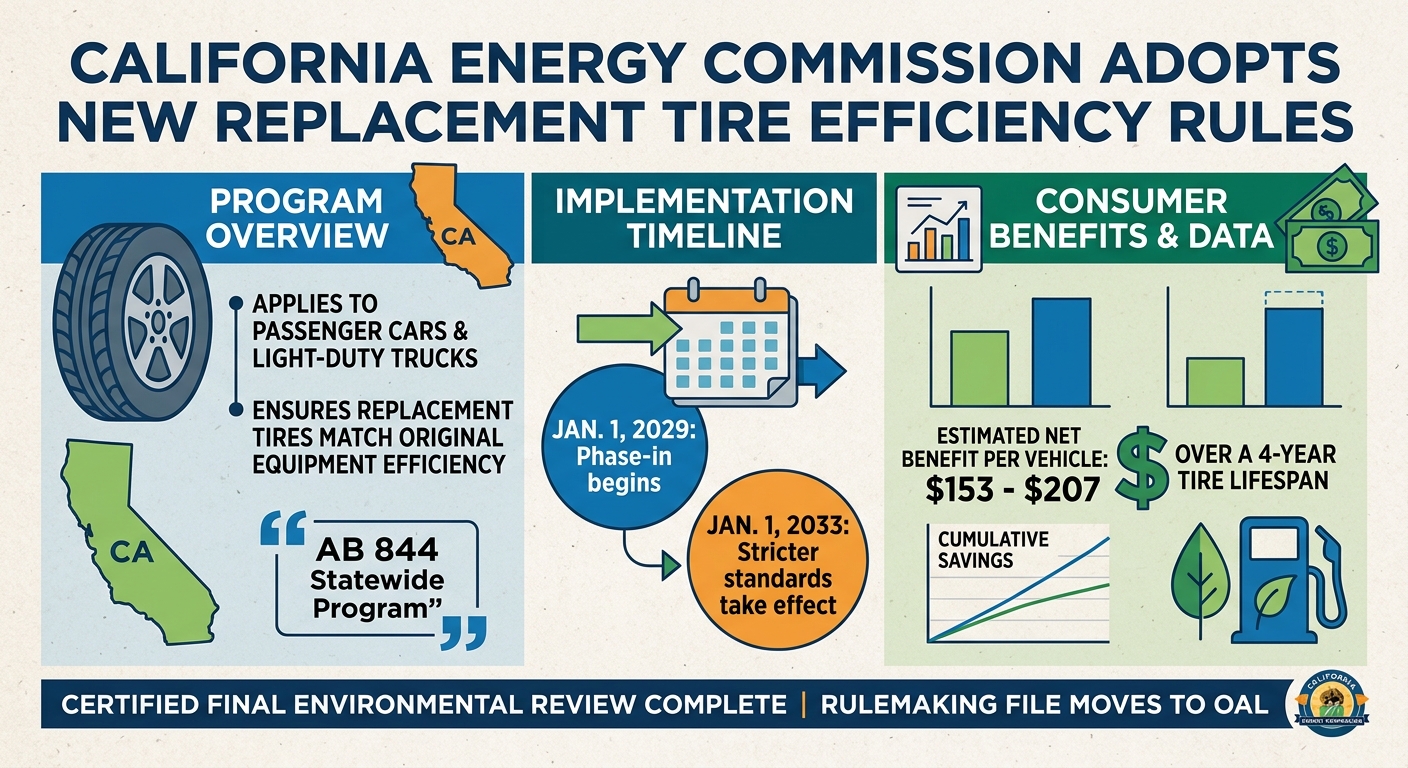
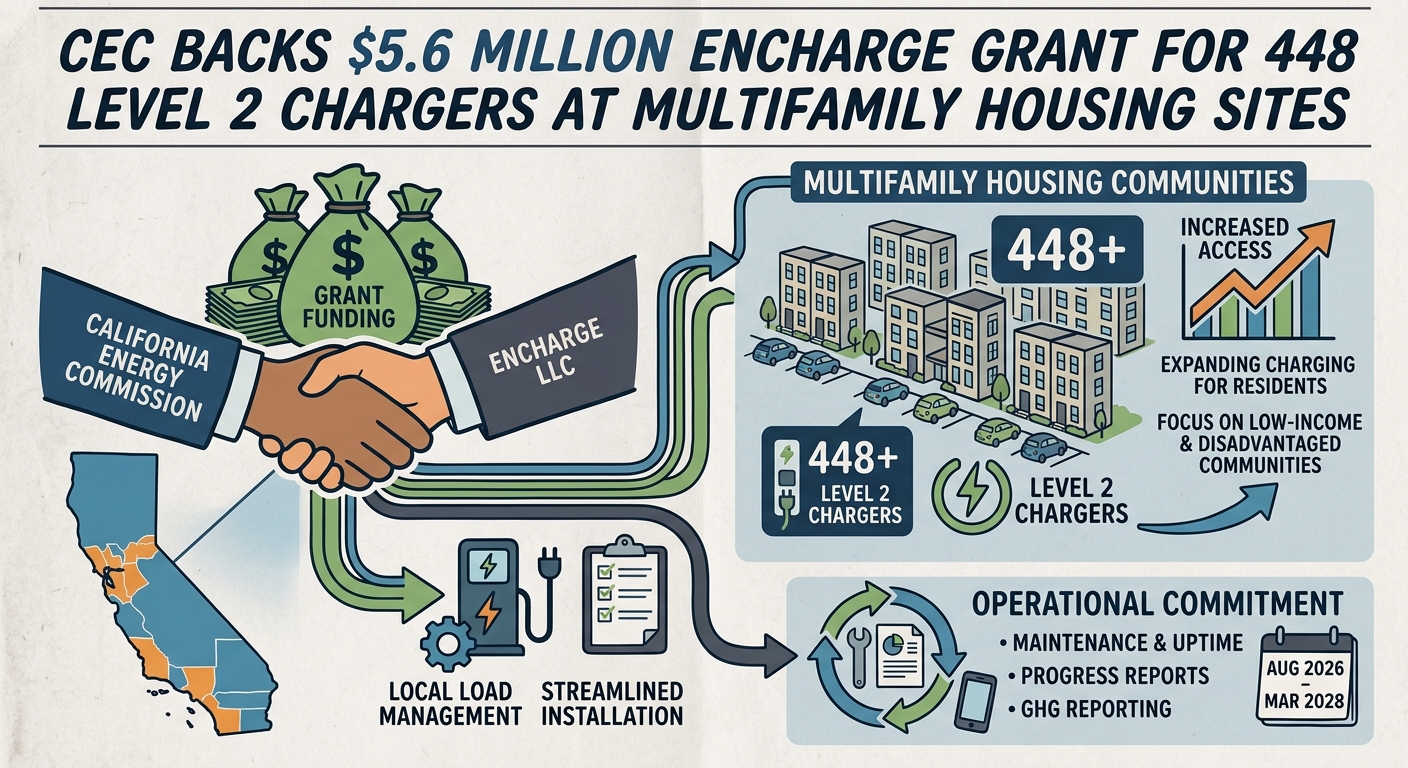
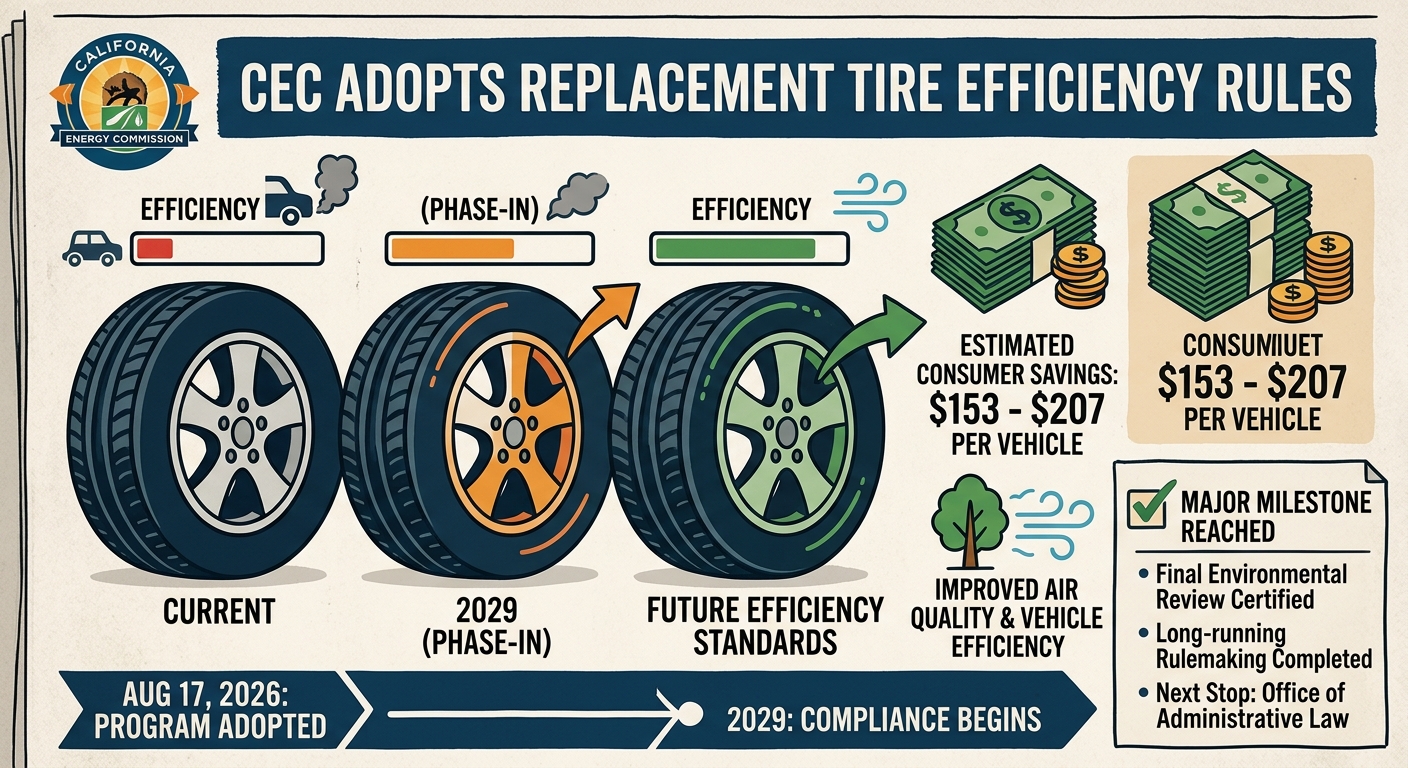
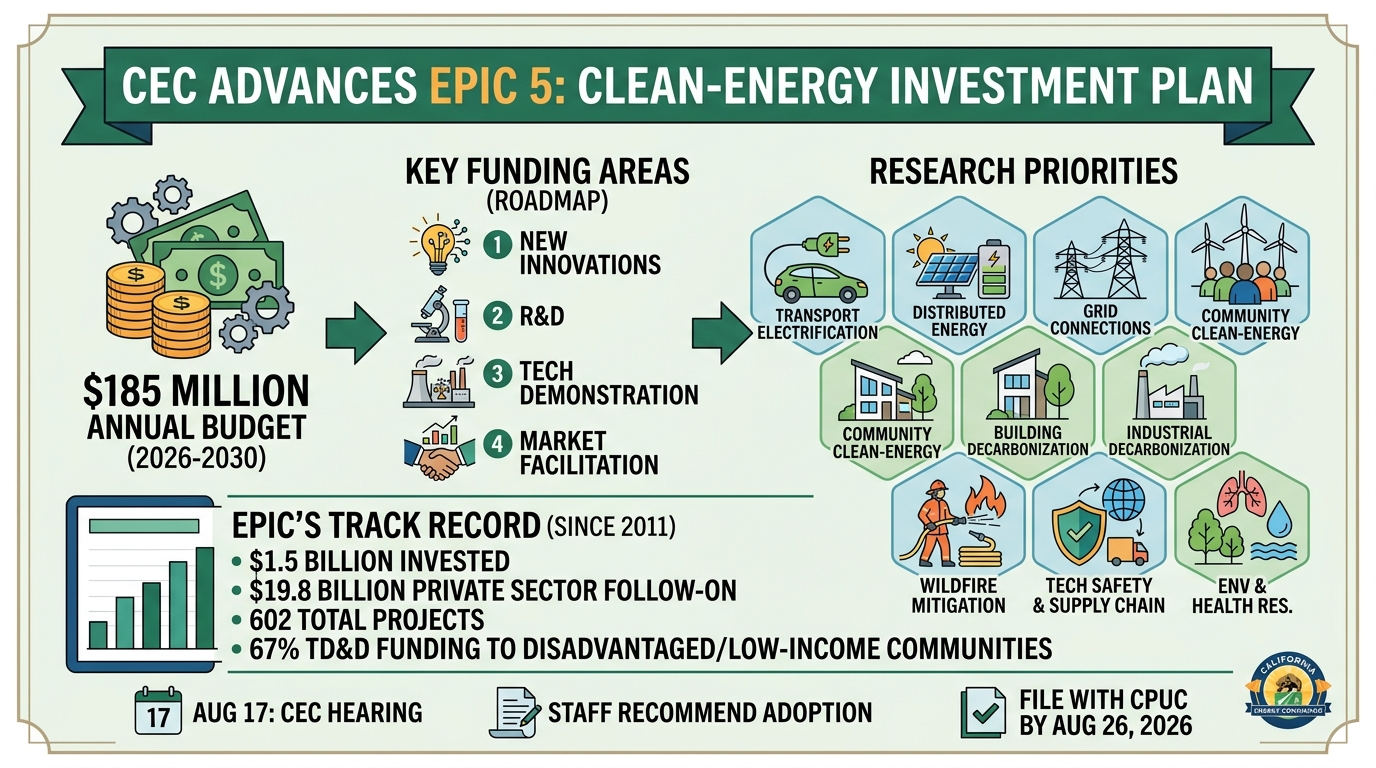
The Aug. 17 business-meeting agenda bundles major grant awards, new tire-efficiency regulations and two statewide planning documents for commissioners to consider.

SB 1193 passed the Assembly 56-0 on Aug. 17, moving a transparency requirement aimed at how Alameda County supervisors award discretionary funds.

Tribal and county representatives voiced support for the compact package at an Assembly Governmental Organization Committee hearing that the chair said was informational only.

The bill passed 54-16 in the Assembly after debate over whether lawmakers were overriding local authority to place the Fresno County Transportation Improvement Act before voters.

The committee backed an amendment that would shift the annual report on minimum essential coverage and the individual mandate from June 1 to April 1.

SB 869 moved out of Assembly Appropriations on Aug. 5, keeping alive a proposal that would require warning icons for certain high-sugar drinks at large chain restaurants.

At an Aug. 5 Assembly hearing, the Department of Developmental Services said it is moving to standardize intake assessments and modernize the CEDAR needs tool, while advocates pressed for attorney notice at IPP meetings and raised concerns about long-stay placements.

County officials told lawmakers some local indigent-care programs are dormant or too weak to meet current safety-net demand, while Finance projected Medi-Cal enrollment will fall and warned federal work-rule changes could tighten exemptions.

Witnesses urged lawmakers to shift from short-term grants to long-term, flexible support for regional workforce and economic mobility efforts.

A joint legislative hearing previewed a digital filing system for charity registry submissions while witnesses pressed state agencies to speed grants, pay indirect costs and reduce contract backlogs.

At an Aug. 5 hearing, city officials, labor representatives and residents backed the Fresno County transportation measure, while the California State Association of Counties flagged local-control concerns.

A legislative oversight hearing highlighted long projected timelines, unspent repatriation funds and open audit recommendations as lawmakers pressed University of California leaders on CalNAGPRA compliance.

A joint hearing on the state’s DTSC reform board turned to questions about independence after Chair Damon Connelly raised concern about a board member who later became a lobbyist for regulated clients.

At an Assembly hearing on Latina inequities, state health officials said they have finished 30 of 42 birthing-care policies and are advancing postpartum and reimbursement reforms for doulas and community health workers.

PPIC and UC Merced researchers told lawmakers that without more recharge, banking and land-transition tools, groundwater reductions under SGMA could force large-scale fallowing in the San Joaquin Valley within the next 15 years.

At a joint legislative agriculture hearing, CDFA said it needs annual funding for detection, monitoring and eradication tied to the pest outbreak.

Assembly Health Committee witnesses said the state’s public telehealth dashboard has not been updated since 2022, complicating oversight as lawmakers review remaining Medi-Cal telehealth gaps.

The Aug. 3 floor session moved the resolution forward on a 54-0 concurrence vote, according to the Assembly record.

The bill, called the Family Friendly City Council’s Act, moved forward in the Assembly floor session Sunday.