Assembly panel advances bill to expand school discrimination-prevention roles
SB 998 would define duties for California’s discrimination-prevention coordinators and add specialized deputies focused on disability and several racial and ethnic groups.


SB 998 would define duties for California’s discrimination-prevention coordinators and add specialized deputies focused on disability and several racial and ethnic groups.

The committee sent the bill to Appropriations after hearing testimony and questions about how fairs and agricultural districts would comply with public bidding requirements.

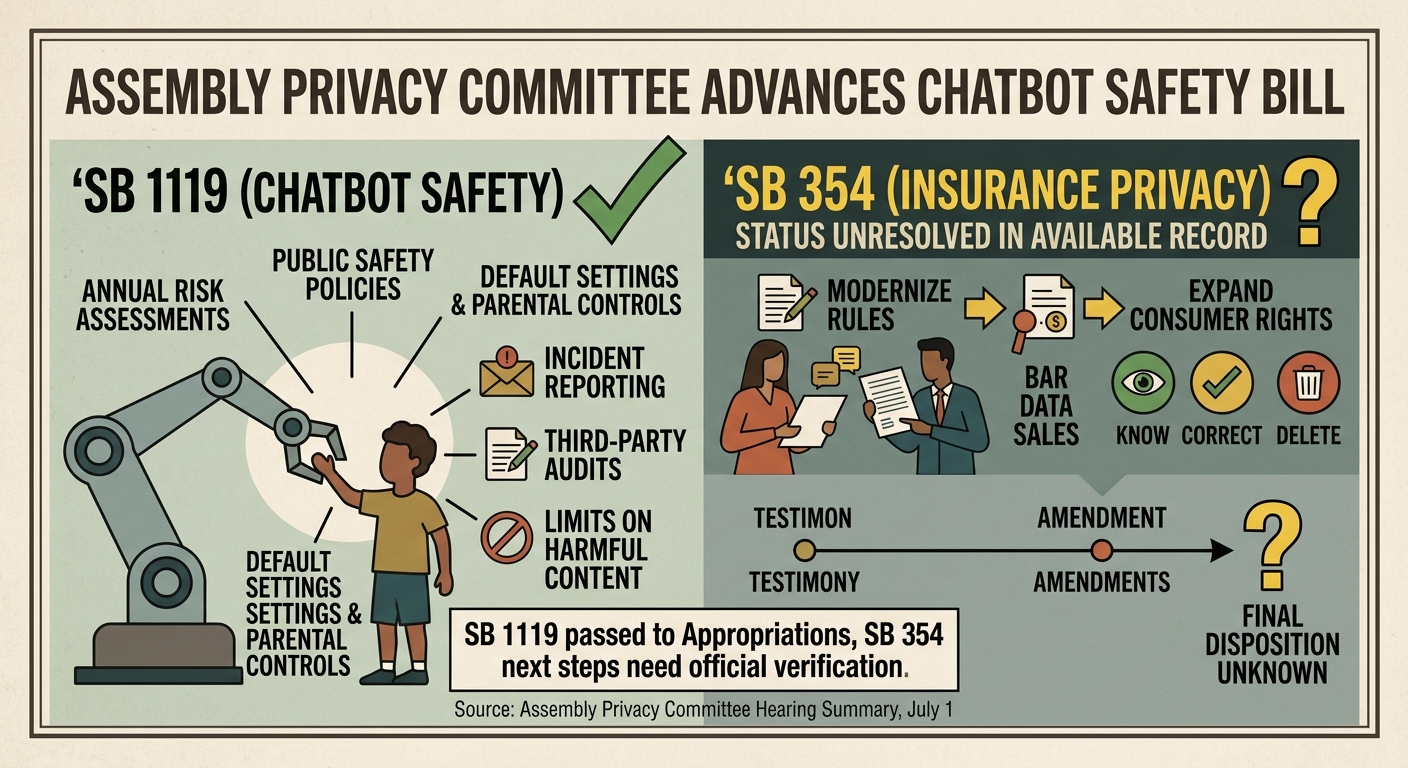
SB 1119 moved out of the Assembly Judiciary Committee on June 16 after testimony about child safety, platform controls and a mother’s account of her son’s death.

SB 623 cleared the Assembly Military and Veterans Affairs Committee 8-0 and picked up urgency, moving the proposal to finance CalVet home loans closer to the 2026 ballot.

SB 1119 moved forward June 16 after lawmakers heard testimony focused on child safety, product design and liability.

SB 995 would set statewide inspection and compliance standards for large voluntary residential facilities, including detention centers, after lawmakers heard testimony about delayed medical care and other alleged abuses.

SB 1077 would require the California Department of Social Services to plan communications and contingencies for CalFresh disruptions during a federal shutdown.

SB 479 would let city-based local health jurisdictions like Berkeley run multidisciplinary homeless-response teams and share specified information across departments.

The bill would require more disclosure of refinery cleanup costs and timelines as it heads to the Assembly Utilities and Energy Committee.

Committee leaders said the package balances the next two years, leans on about $5 billion in additional current-year revenue and adds to school funding before floor action.

Assembly budget leaders say the 2026 spending plan preserves child care, health care and county safety-net funding while answering pressure from federal cuts.

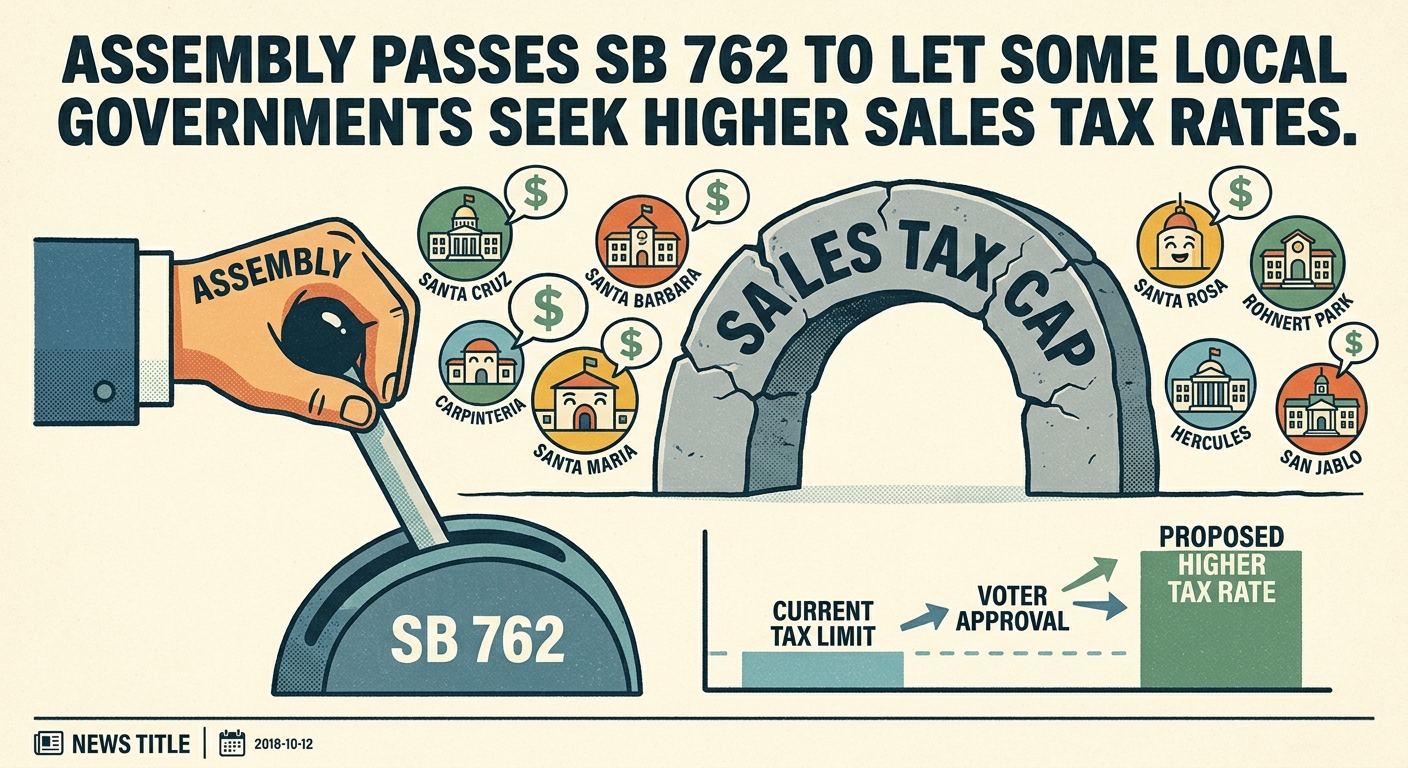
SB 1349 moved out of the Revenue and Taxation Committee on a do-pass-as-amended vote and now heads to Assembly Appropriations.

The commission adopted a new community renewable energy tariff on June 11, setting up questions about funding, subscriber rules and ratepayer impacts.

The commission unanimously approved the updated plan tied to the Aliso Canyon aftermath and said ratepayers will not bear its cost.

State and local witnesses said the youth mental health initiative is scaling, while warning that billing complexity and ongoing funding gaps could limit its reach.

The Assembly voted to adopt HR 118 by voice vote on June 11, formally welcoming the 2026 FIFA World Cup to California.

The Assembly passed AB 1534 and backed urgency language for the bill, which would create a state approval process for short-term workforce training programs seeking Pell Grant access.

SB 327 would expand the Public Advocates Office’s access to utility information and prohibit investor-owned utilities from using ratepayer funds to oppose municipal utilities.

The committee moved the bail-reform bill to Appropriations after hearing from supporters who called it a path to financial relief and opponents who warned of unintended consequences.

The Assembly Higher Education Committee sent SB 928 forward 10-0 after lawmakers weighed how California State University uses AI and whether human faculty protections should be written into law.

Lawmakers pressed DMV and industry witnesses on remote driving, emergency response, transparency and routing after the agency adopted heavy-truck rules on April 28.

The bill moved 5-0 to the Assembly Privacy and Consumer Protection Committee after supporters and opponents debated algorithmic management and surveillance.

SB 868 passed the Assembly Utilities and Energy Committee 17-0, advancing a measure to set statewide safety standards for plug-in balcony solar devices.

The committee voted to move the bill forward after testimony from immigrant-rights advocates and medical groups describing delayed care and family-contact barriers.