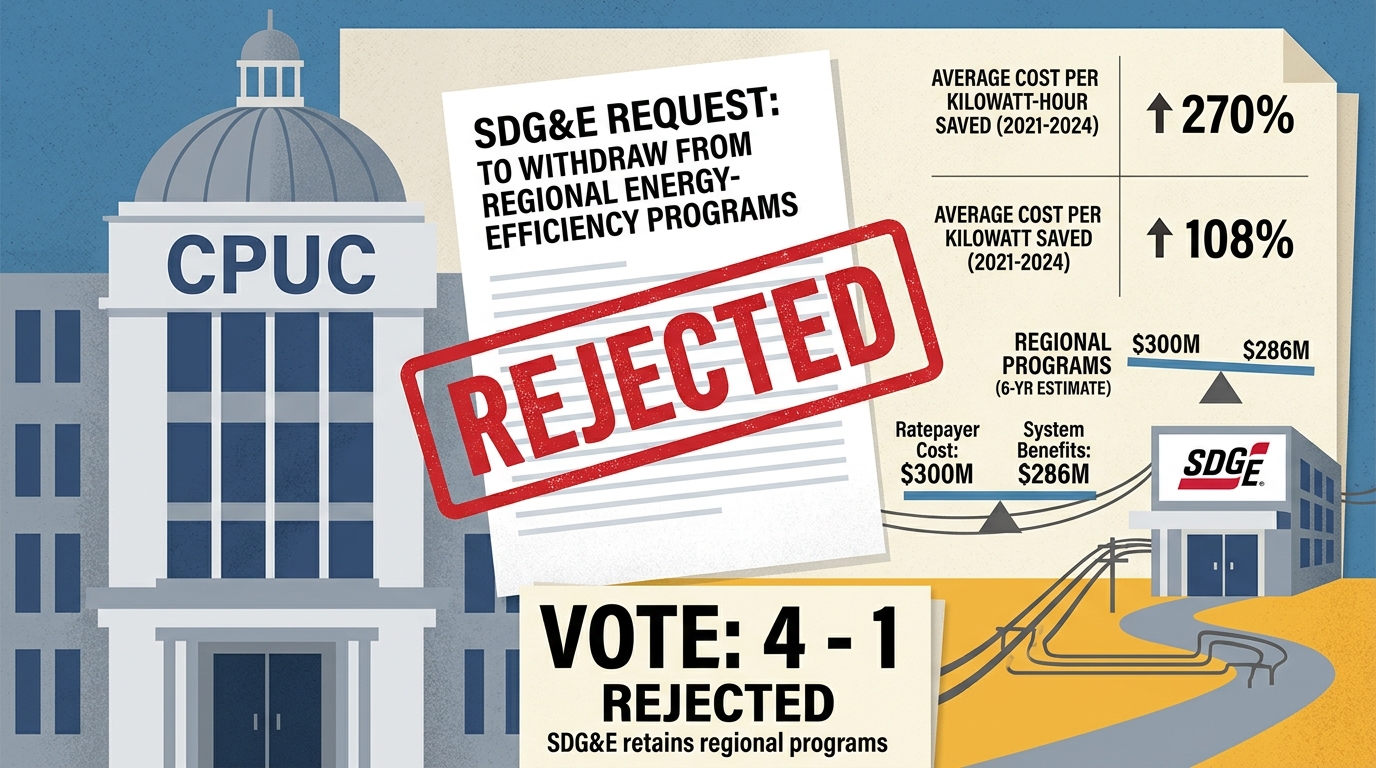
CPUC rejects SDG&E request to leave regional energy-efficiency programs
The commission voted 4-1 to keep SDG&E as administrator, while leaving broader questions about program costs and future administration for other proceedings.
Yuba-Sutter
What your local boards and councils decided, from their own agendas and minutes.

The commission voted 4-1 to keep SDG&E as administrator, while leaving broader questions about program costs and future administration for other proceedings.

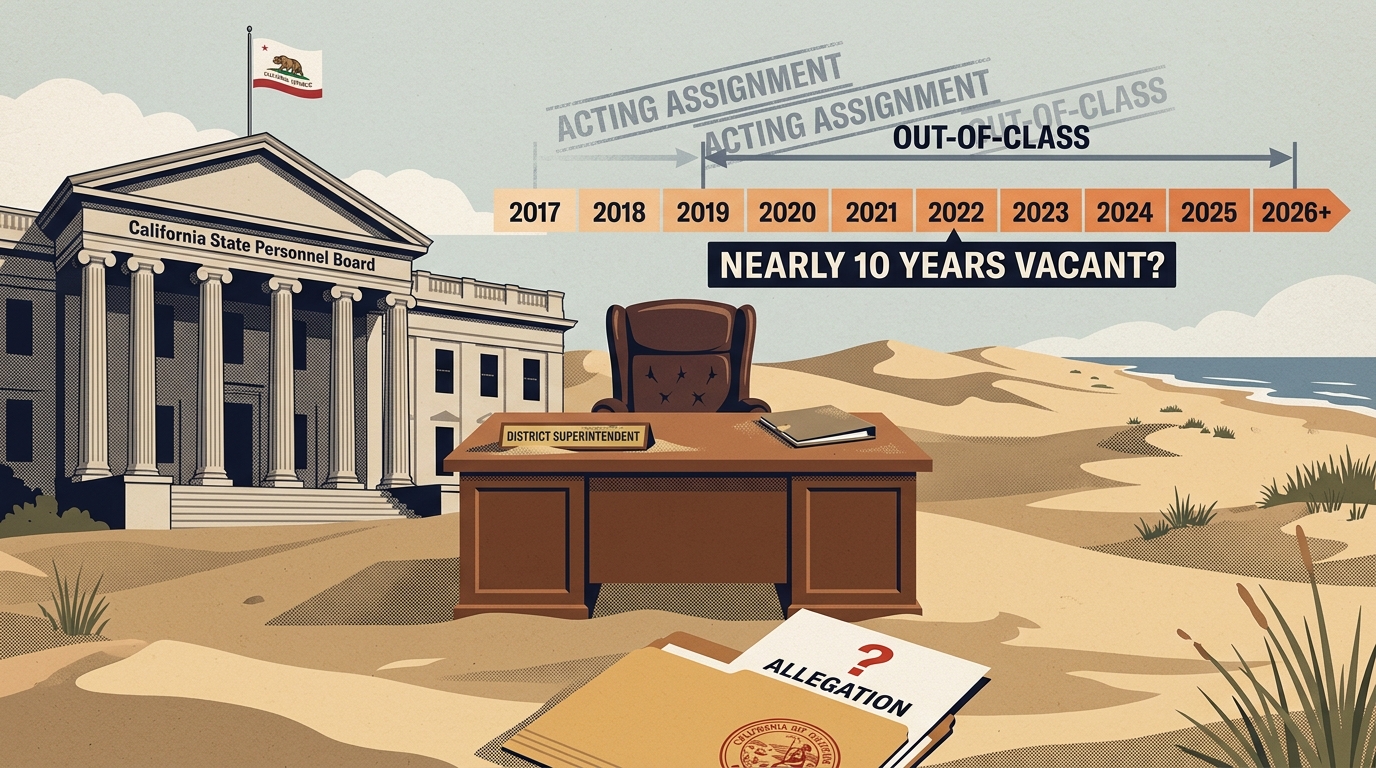
An email read during the board’s Oct. 16 meeting alleged acting assignments began in 2017 while the position remained vacant for nearly a decade. The available record does not establish the claim or show board action.

Los Angeles has outlined a $15 million-to-$40 million public Host City Cultural Program, while LA28 has not published a dollar total for its separate Cultural Olympiad as Games security and reimbursement costs remain unsettled.

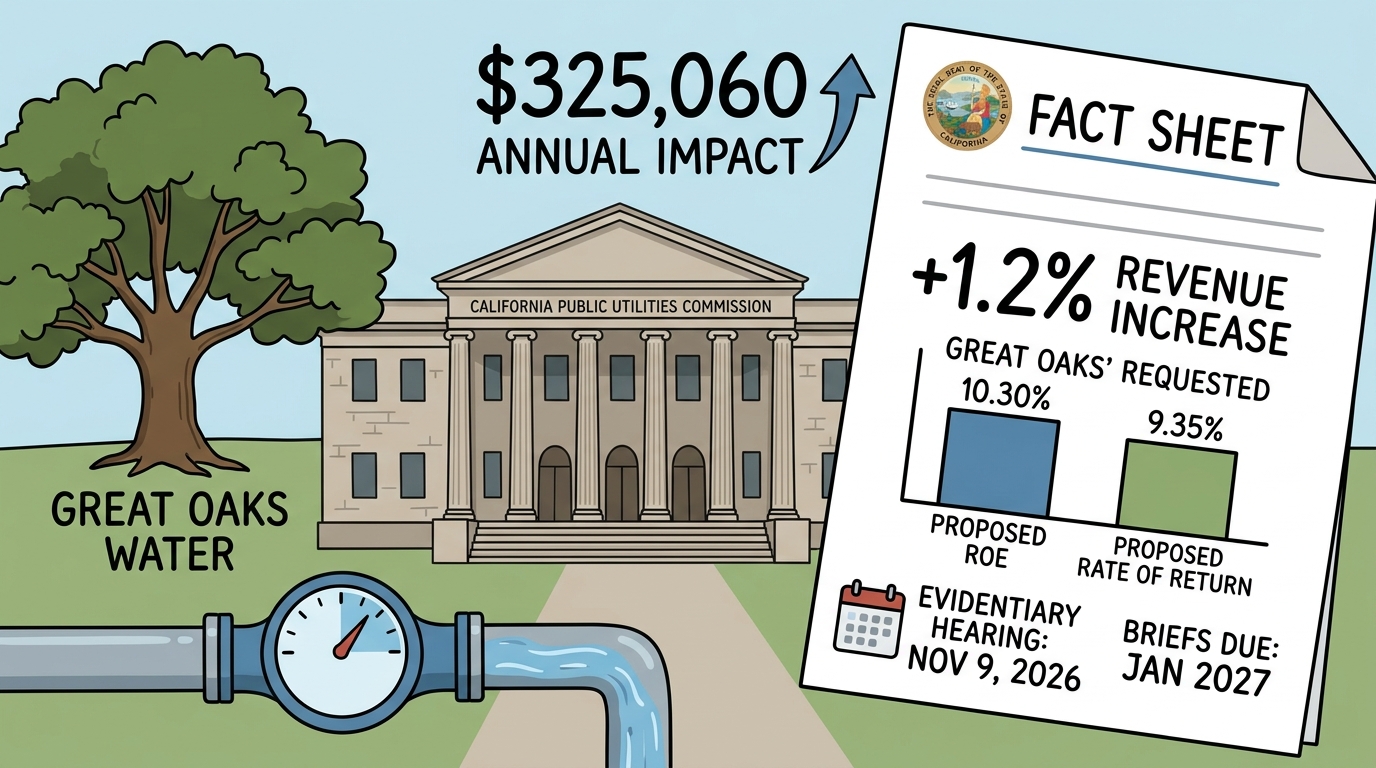
The active cost-of-capital proceeding has set an evidentiary hearing and briefing deadlines, while an archived hearing summary contains an unverified $25,000 figure that conflicts with official customer materials.

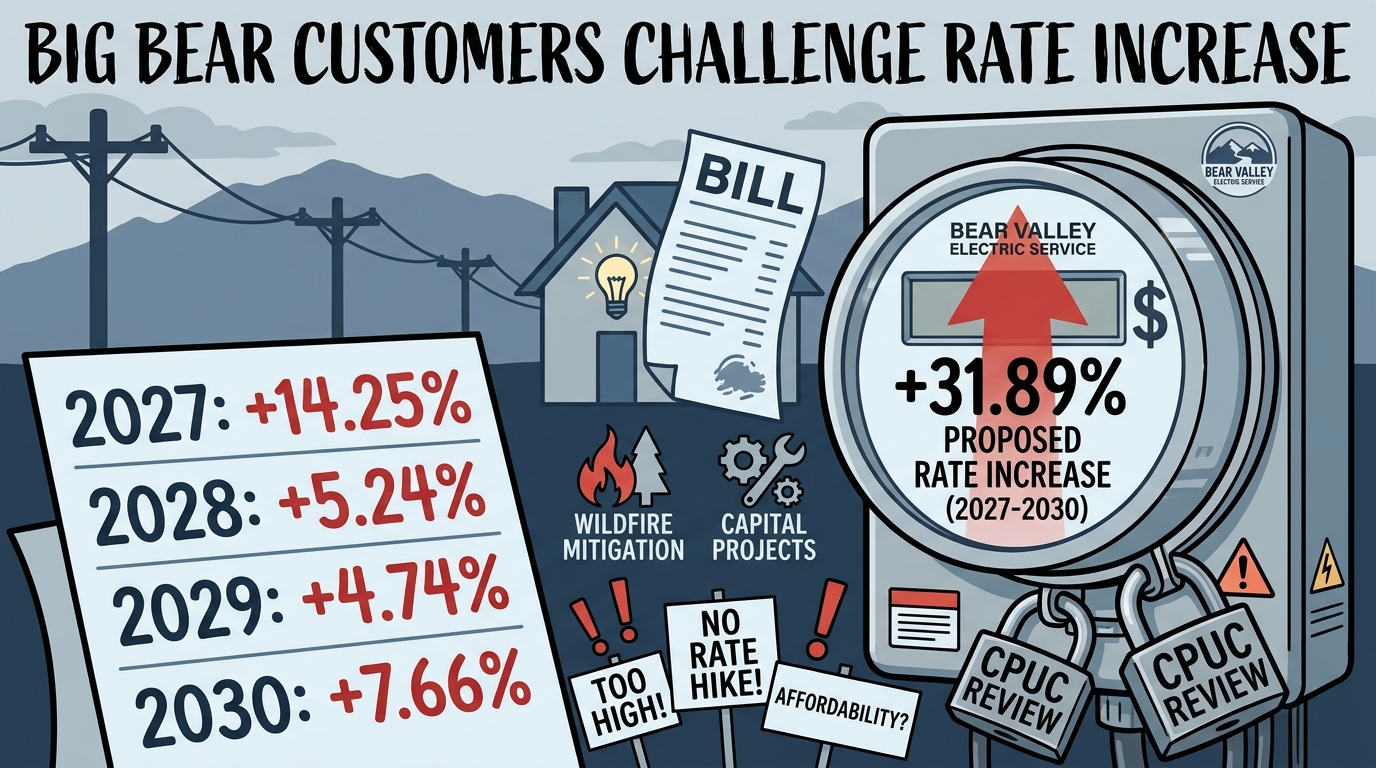
The CPUC is reviewing Bear Valley Electric Service’s request for staged increases through 2030 after customers questioned wildfire spending, outages, fees and affordability at an Oct. 13 hearing.

The organizing committee says it plans an early-2027 application portal, a public cultural calendar and map, ticket-cost assistance and 16 Olympic and Paralympic posters, while lawmakers seek clearer commitments for local and underserved communities.

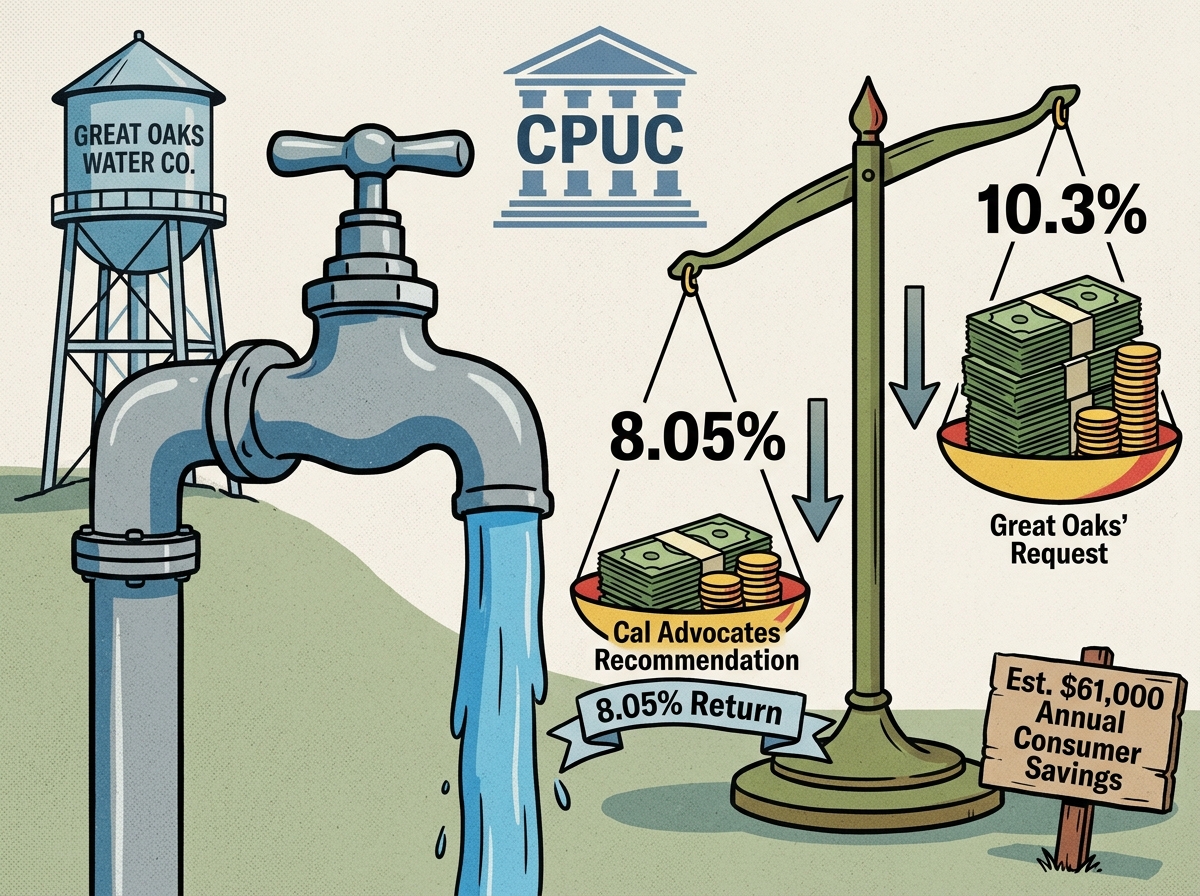
The consumer office says its lower recommendation could save Great Oaks customers about $61,000 a year, but the commission has not voted on the utility’s 2027-30 cost-of-capital case.

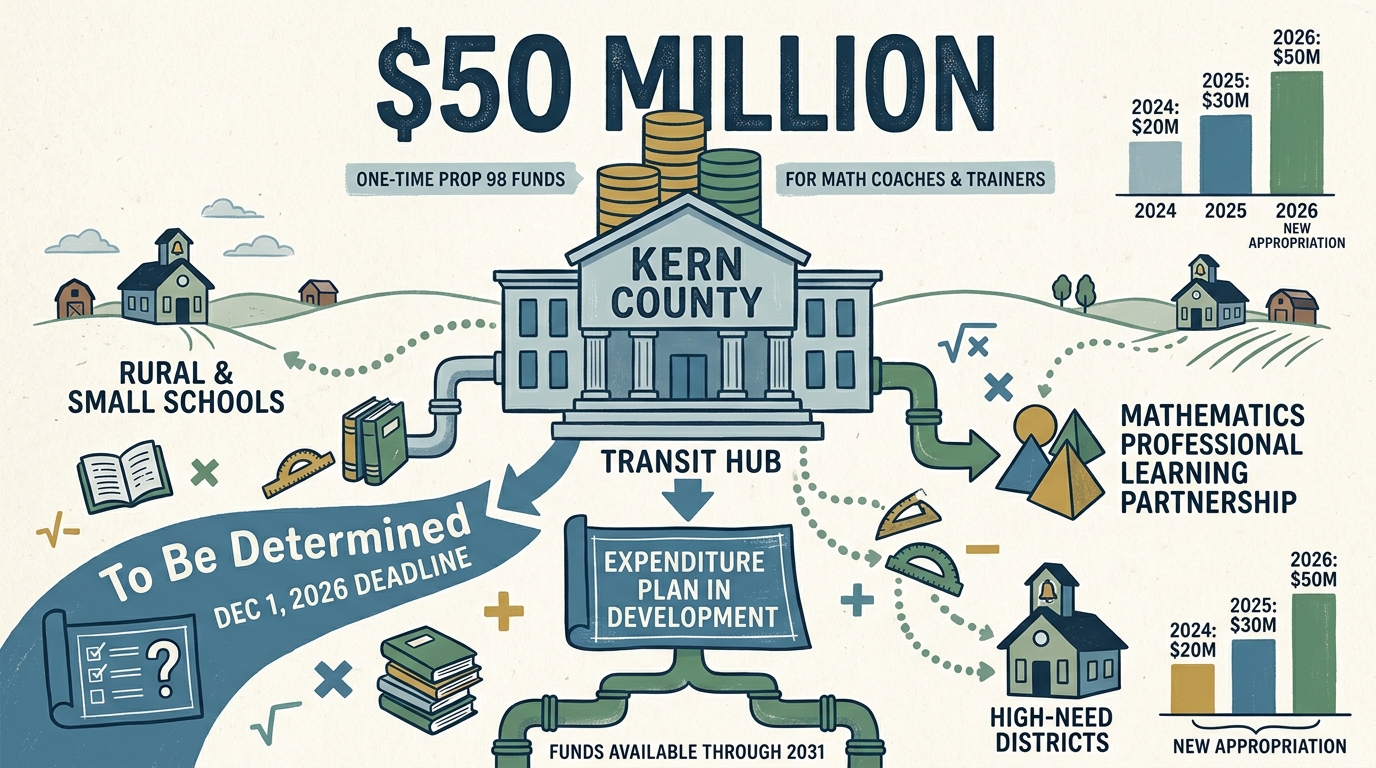
The new funding is routed through Kern County to expand a statewide professional-learning partnership, rather than distributed through an identified district formula.

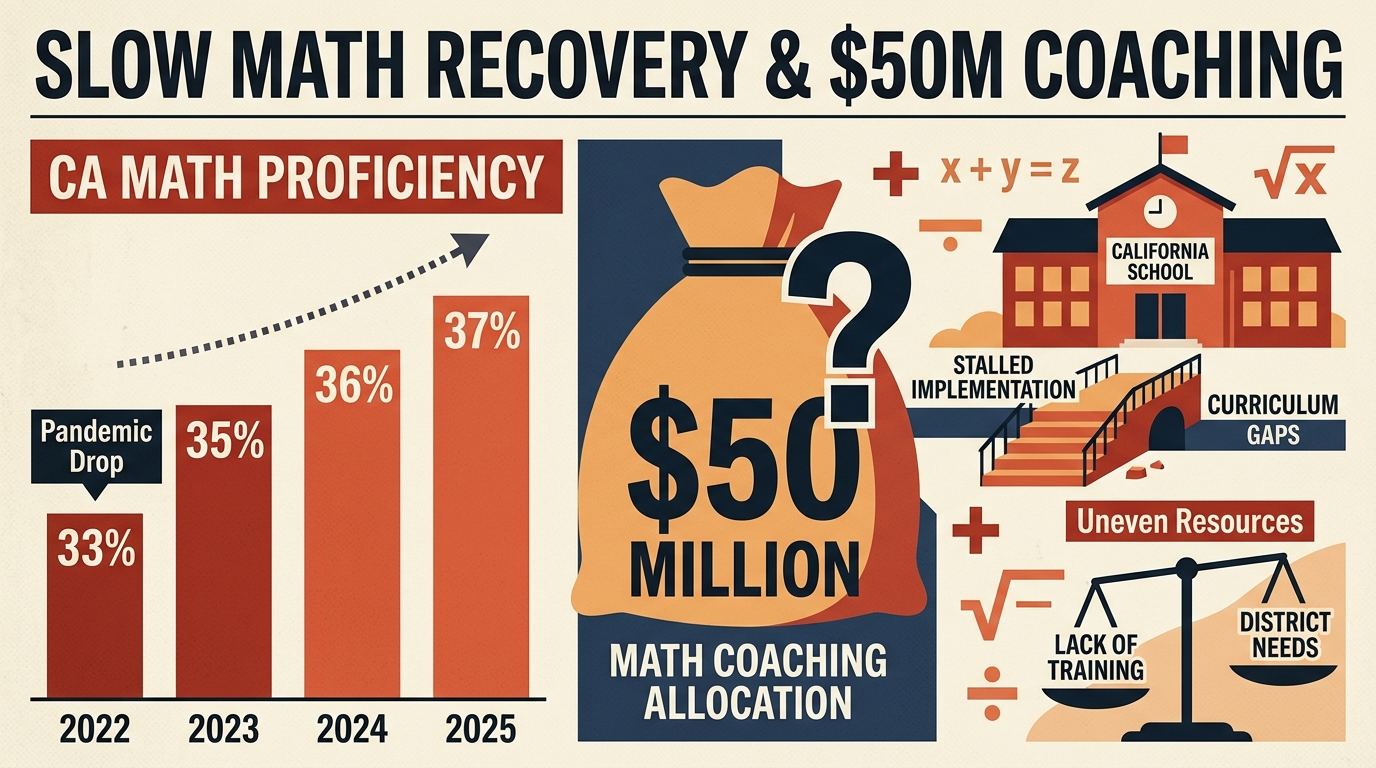
An Assembly Education Committee hearing highlighted persistent racial and income gaps in math performance and questions about how a state investment in math coaches will be distributed and measured.

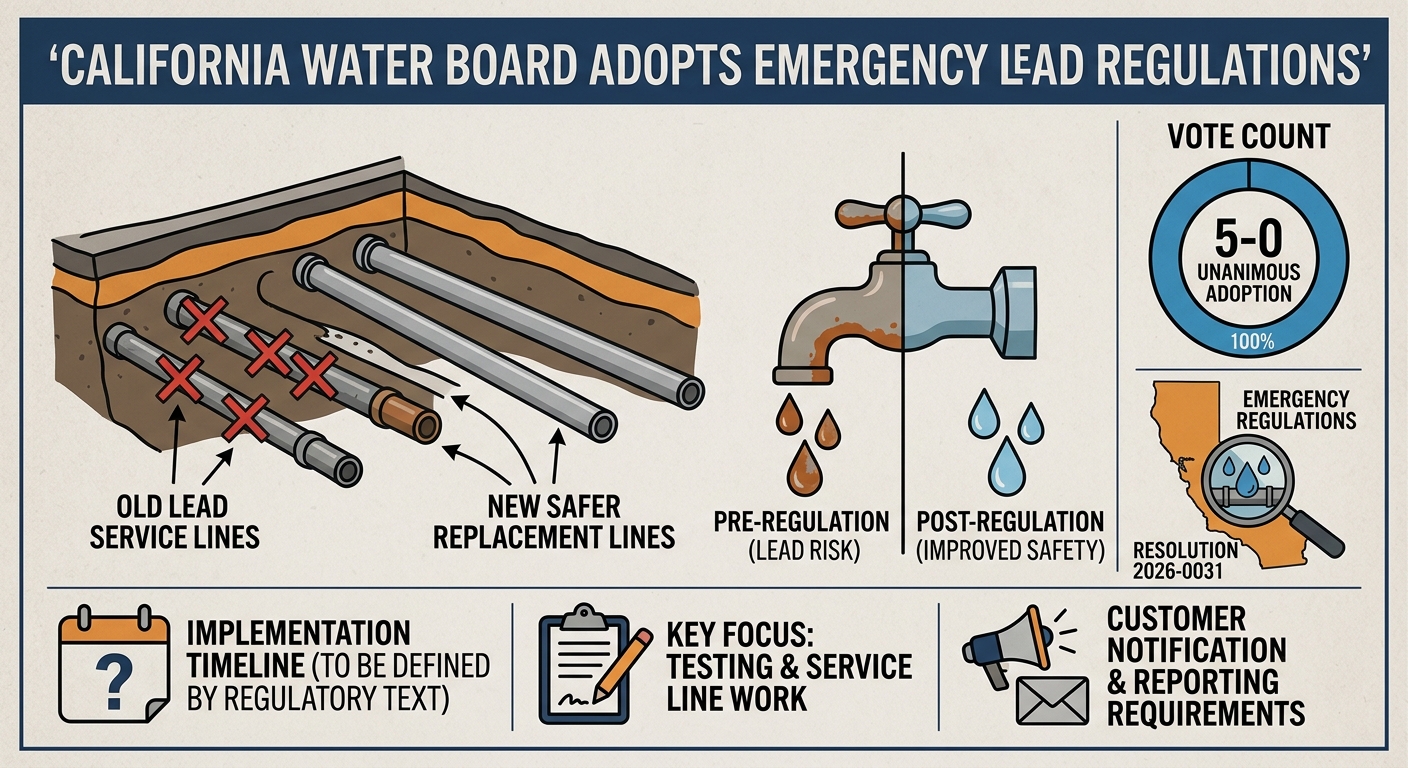
The board voted 5-0 on Aug. 19 to adopt emergency regulations for Lead and Copper Rule Improvements, but the meeting minutes do not state when they take effect or what utilities must do.

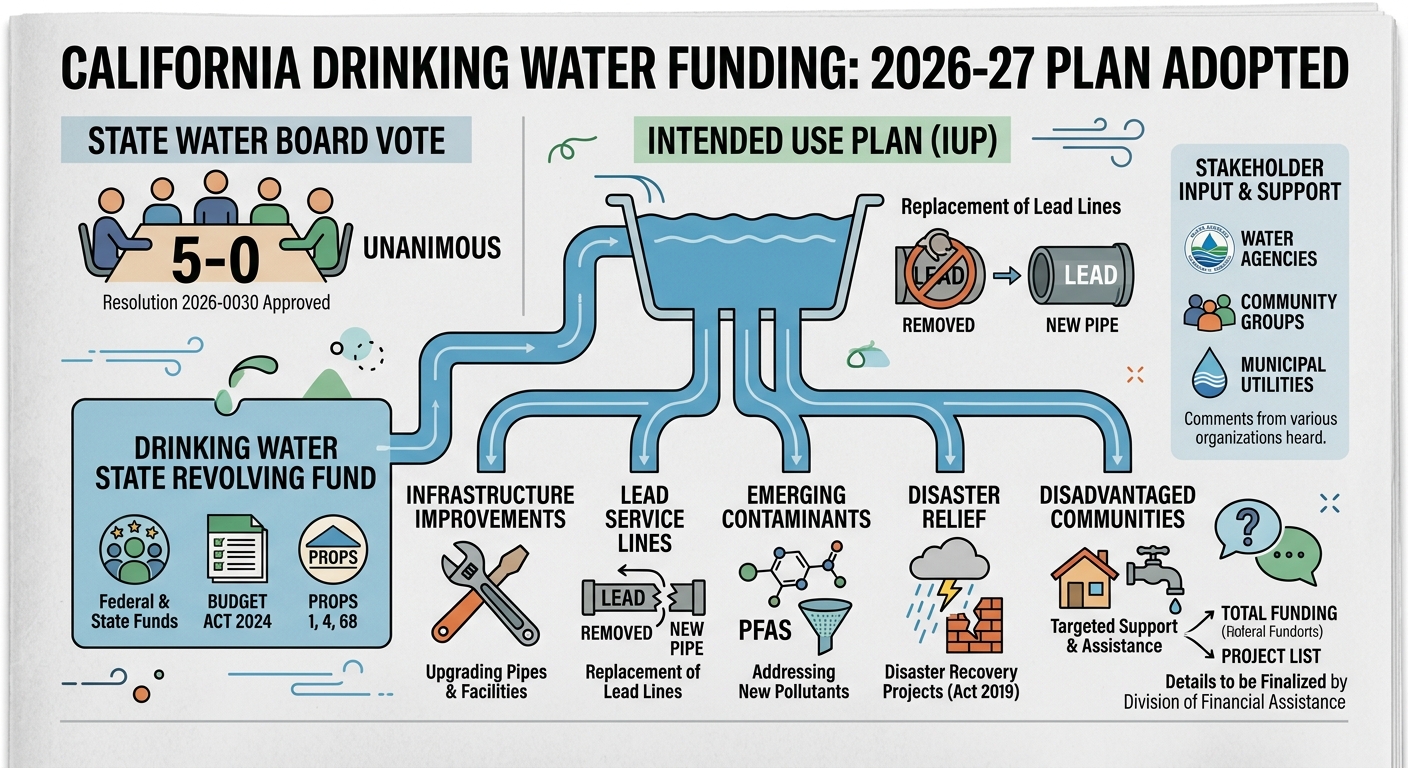
The 5–0 vote covers funding guidelines and supplemental plans for emerging contaminants, lead-service-line replacement and disaster relief, but the meeting minutes do not list a dollar total or recipients.

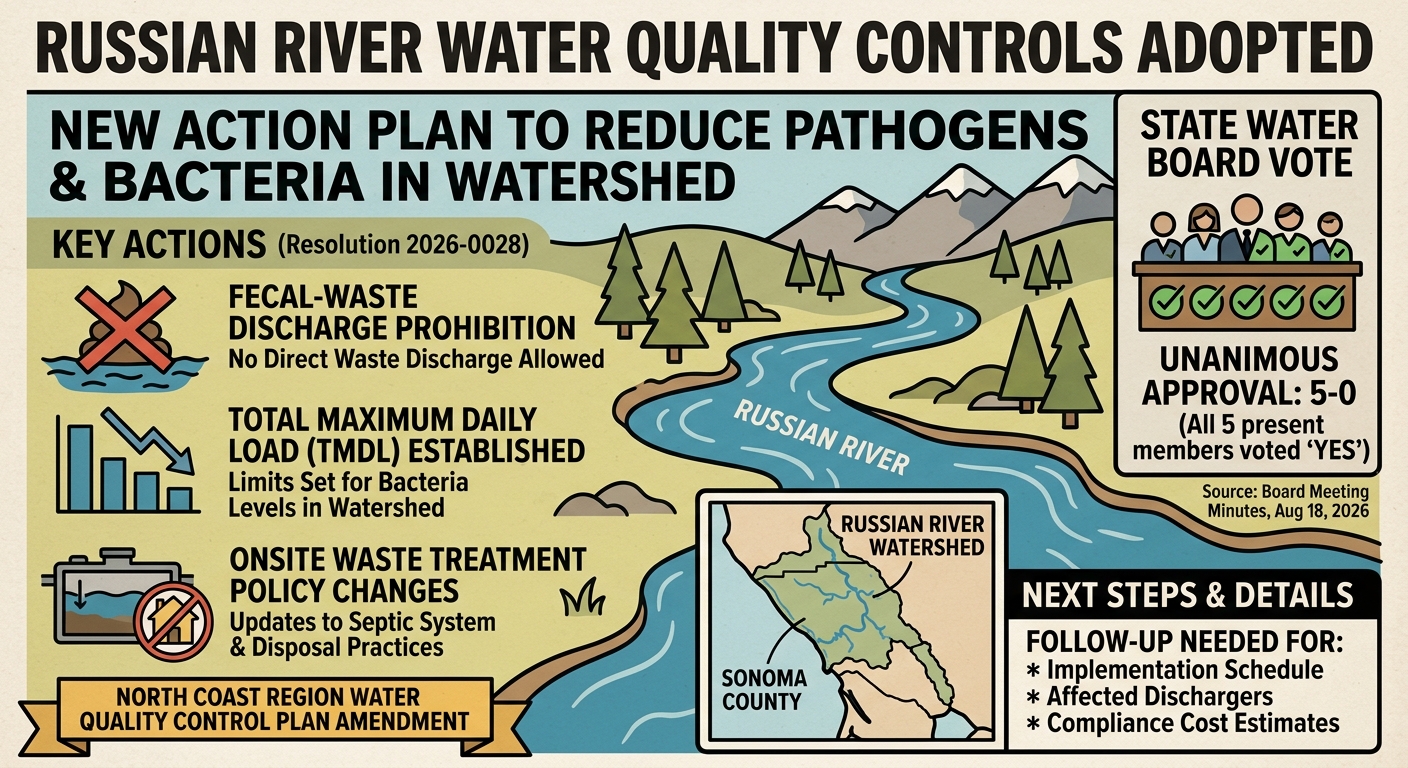
The board unanimously approved an amendment adding a pathogen action plan, fecal-waste prohibition and bacteria limit while removing a watershed-specific onsite-waste policy.

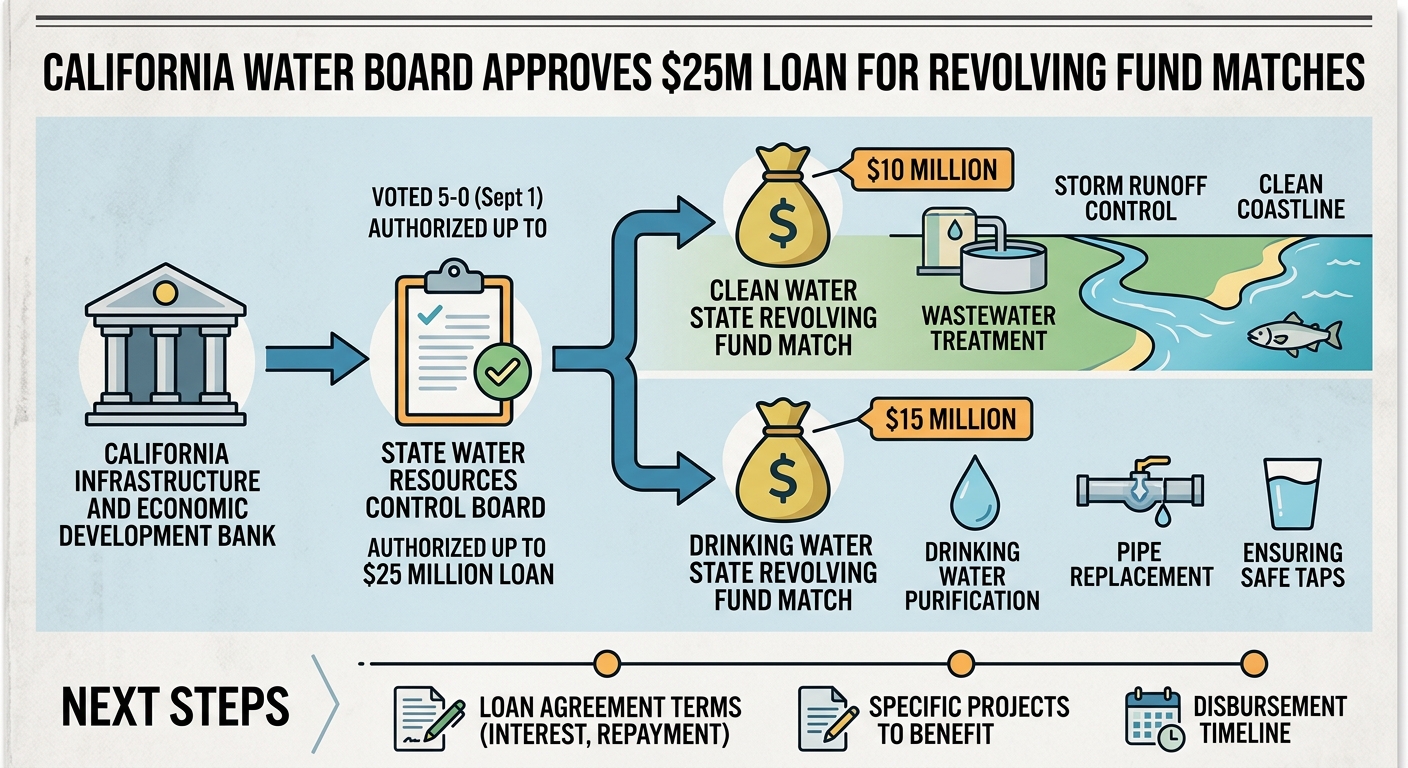
The 5-0 action sets borrowing capacity for clean-water and drinking-water programs, but the public minutes do not identify projects or loan terms.

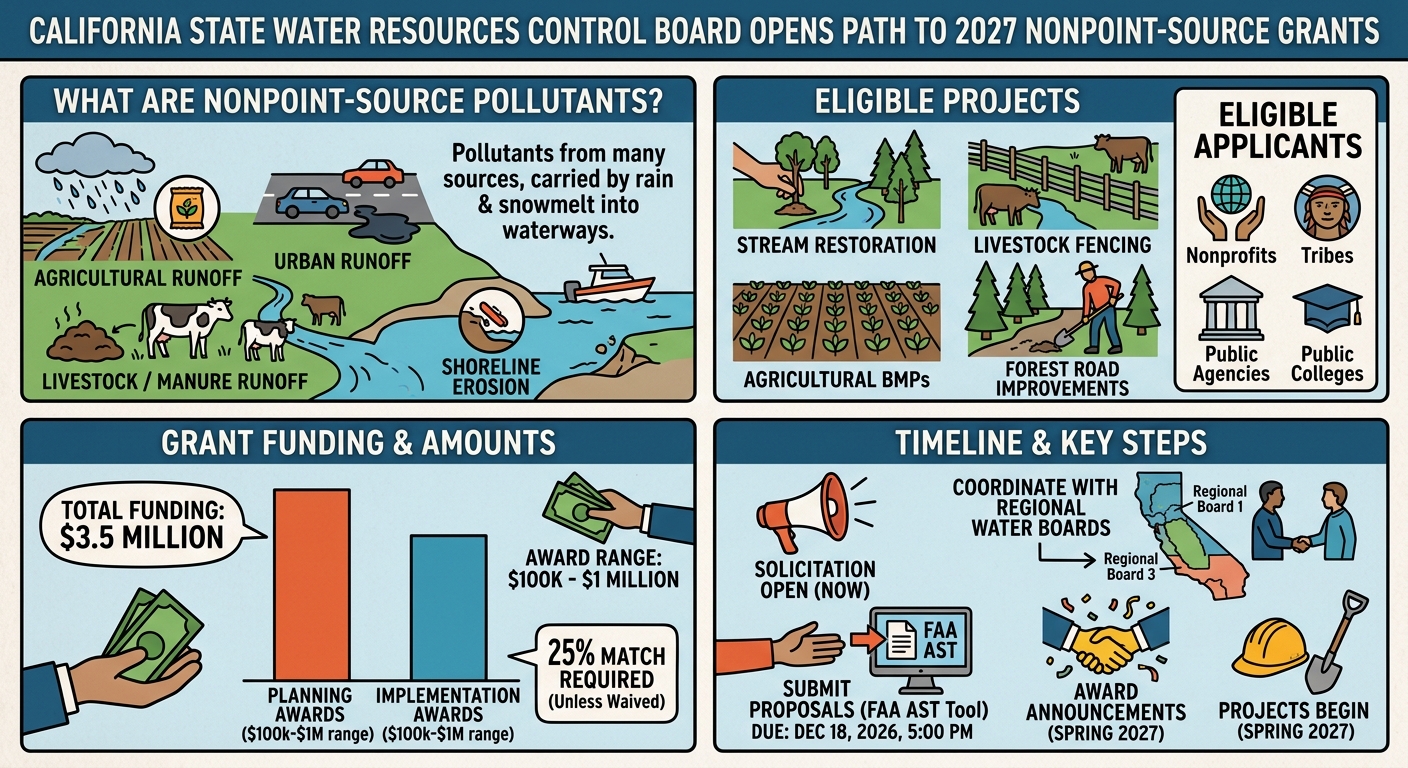
The State Water Board adopted program guidelines and authorized a new solicitation for projects that reduce runoff and other nonpoint-source pollution.

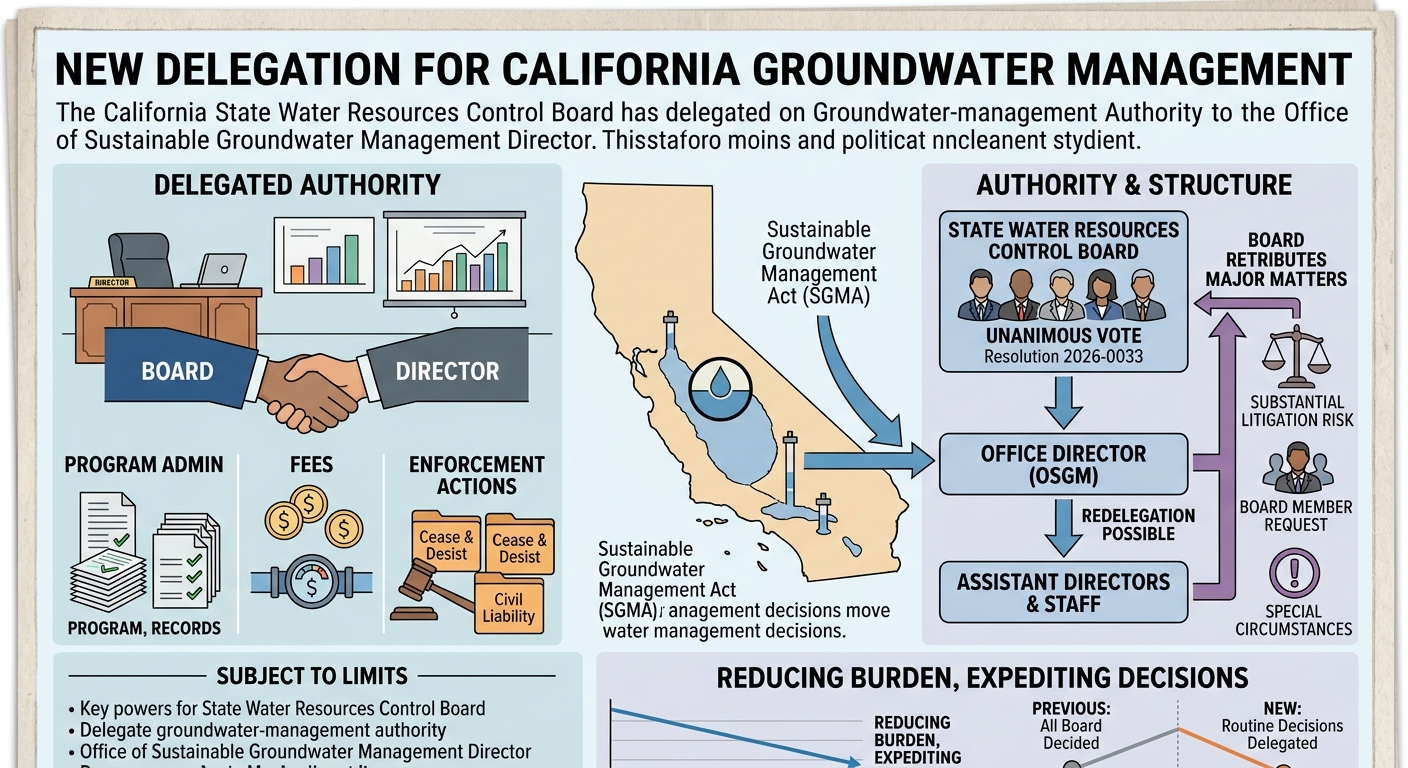
The State Water Resources Control Board approved Resolution 2026-0033 in a unanimous vote Sept. 1, shifting specified administrative and enforcement responsibilities to the director of its groundwater-management office.

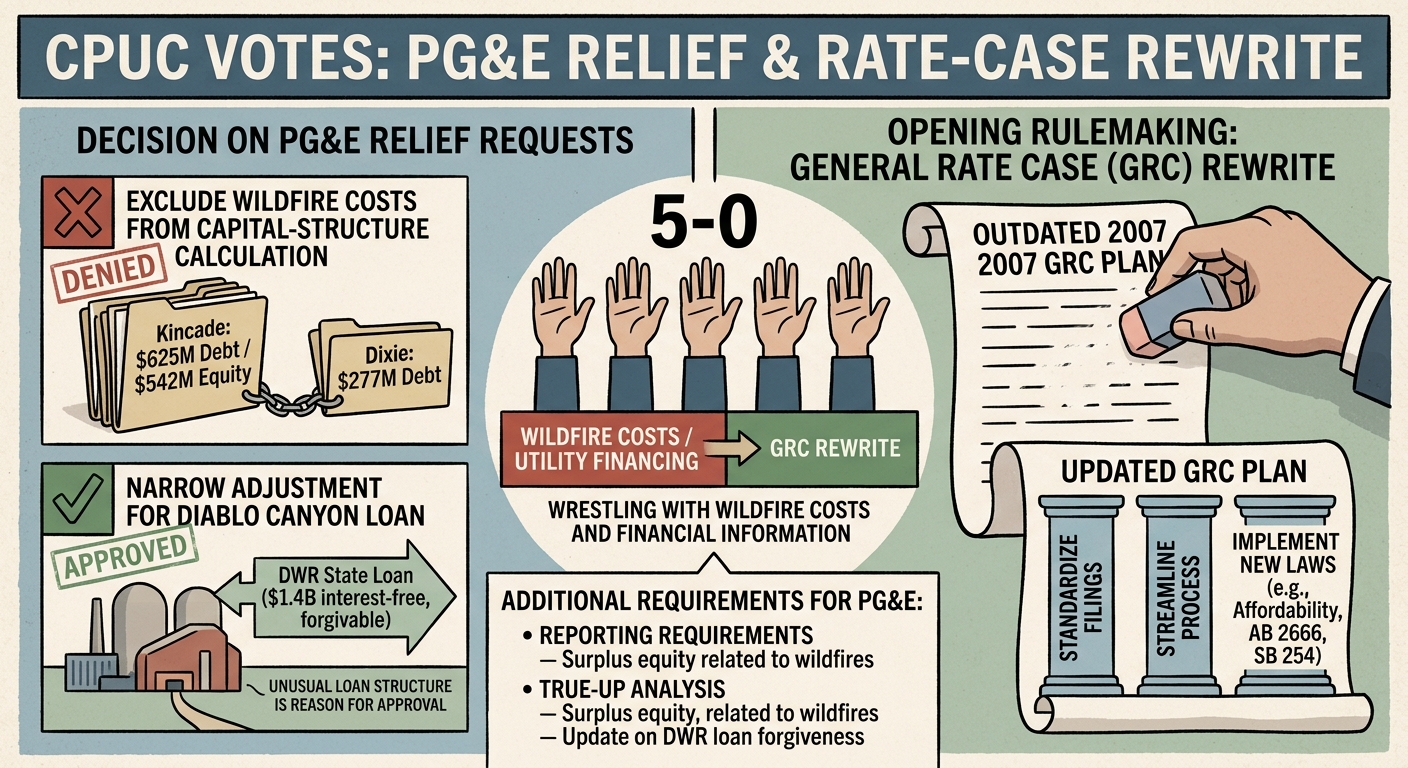
The commission voted 5-0 to grant PG&E a narrow capital-structure exemption tied to a DWR loan for Diablo Canyon costs and separately launched a rulemaking to revise utility general rate-case rules for the first time since 2007.

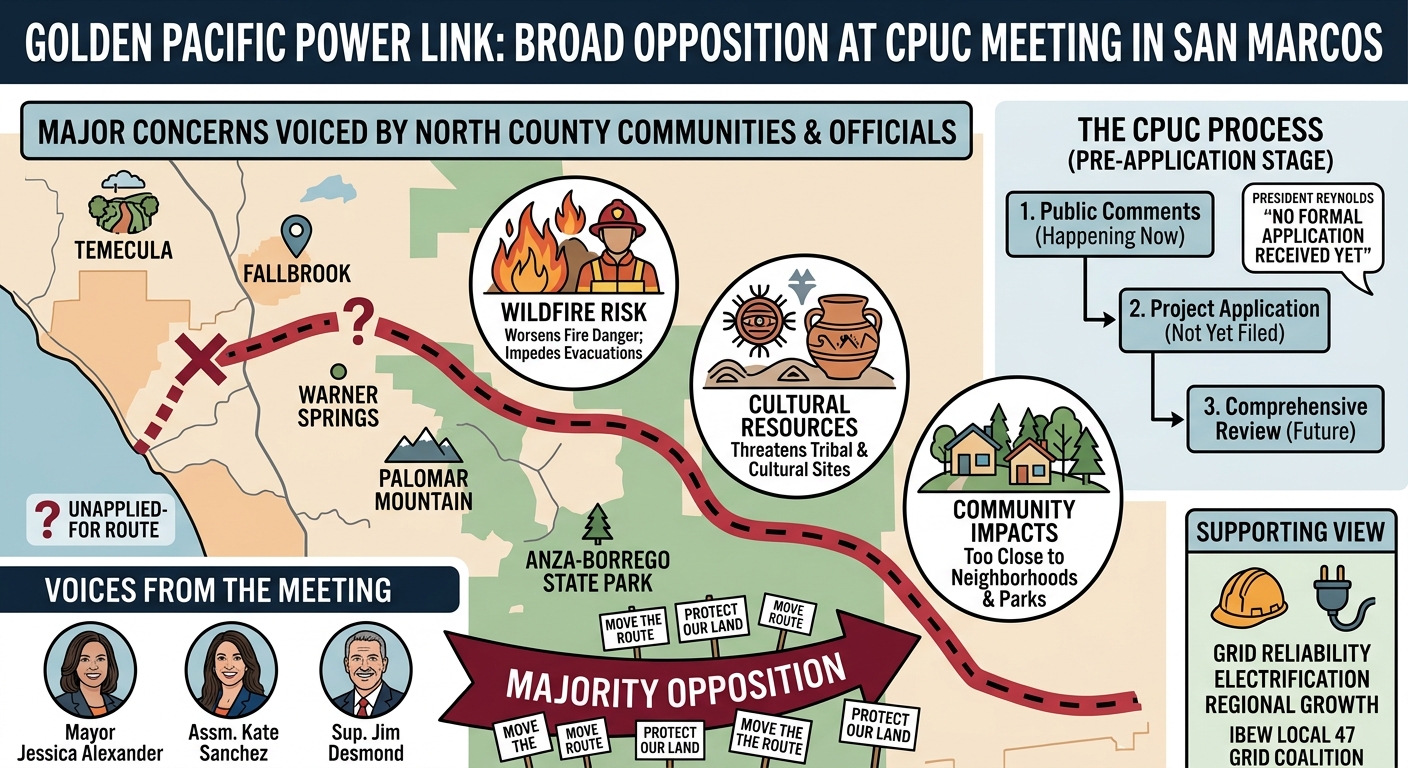
At the commission’s Sept. 17 voting meeting, local officials and residents pressed for more detail and an alternate route as CPUC said the project was still pre-application.

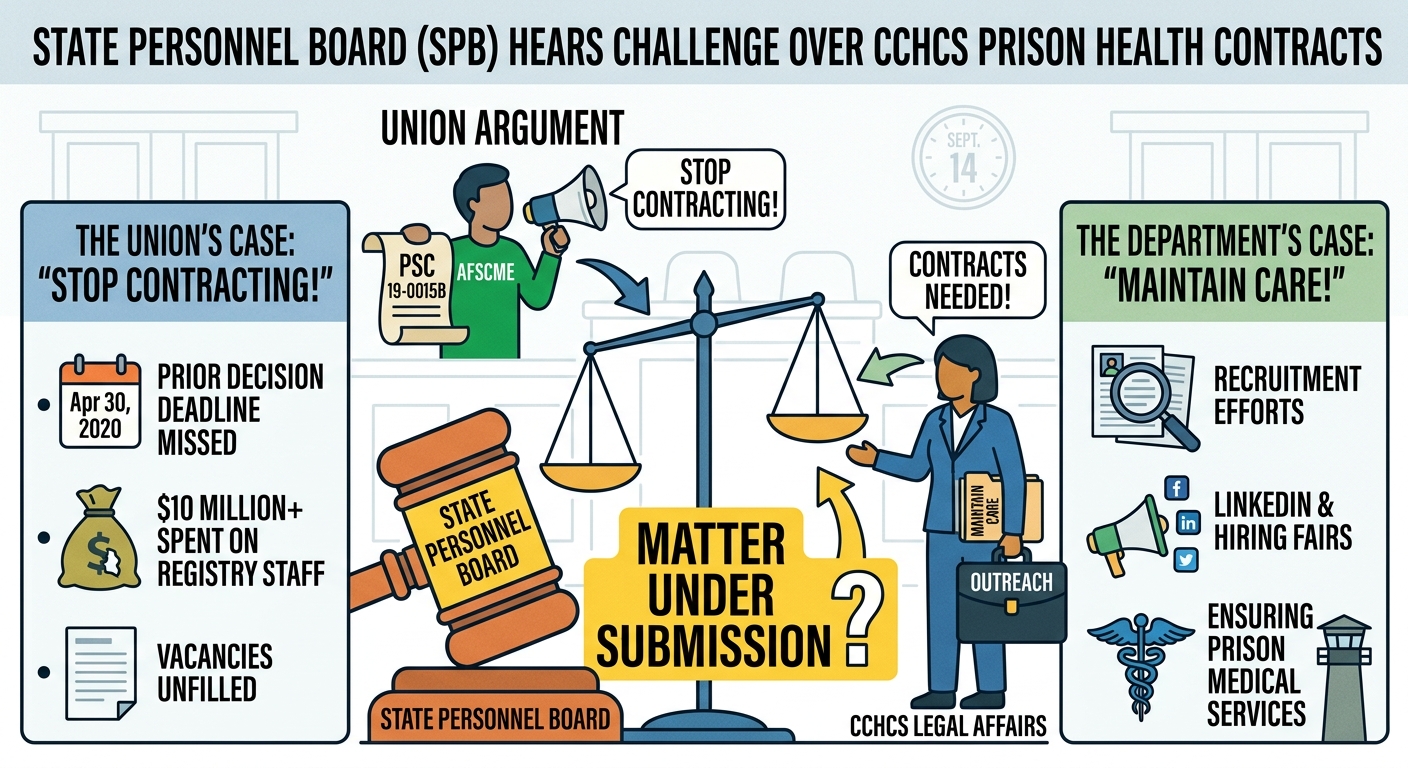
The State Personnel Board heard a union appeal alleging California Correctional Health Care Services kept relying on contractors for prison pharmacy and allied health work despite an earlier board order.

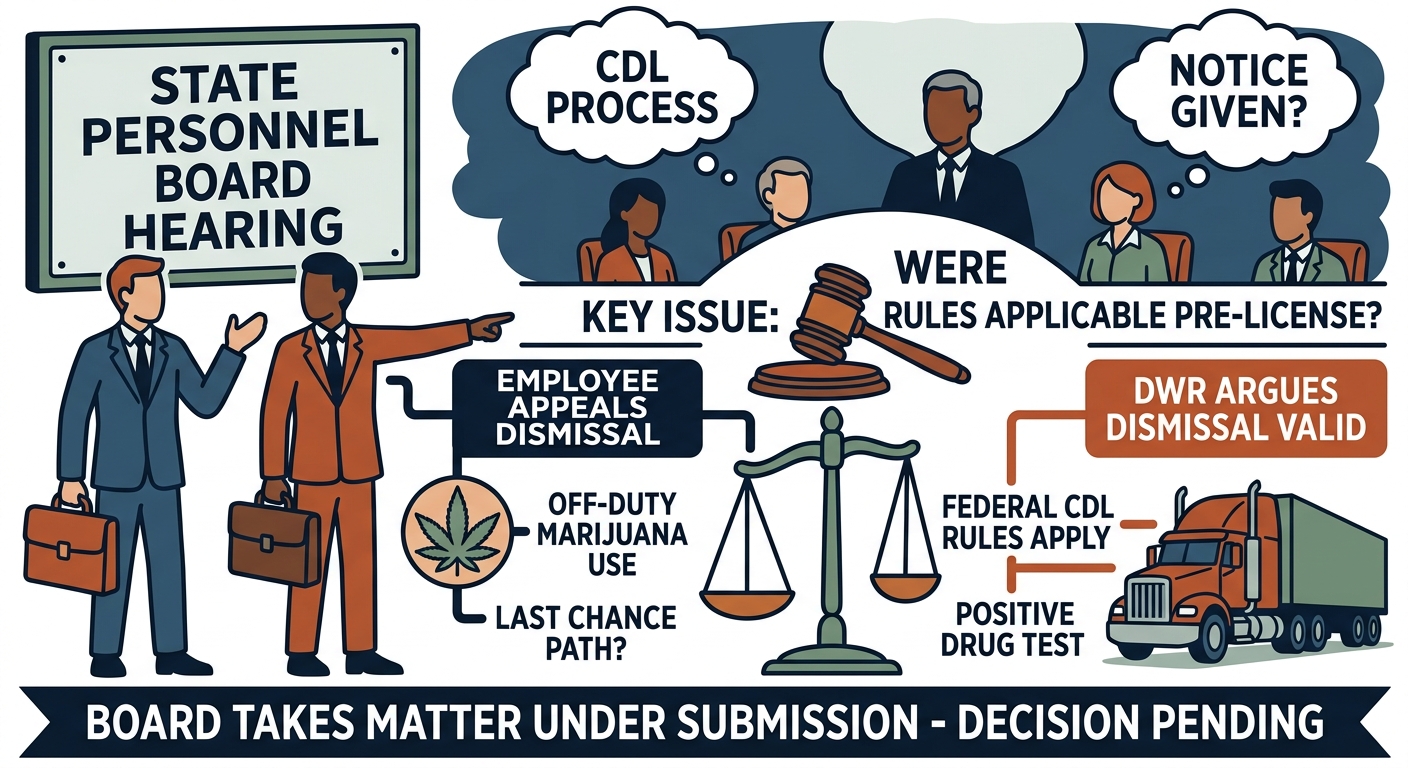
The board heard arguments over whether a positive marijuana test during the CDL process justified firing Jackson Lund before he obtained a Class A license or entered safety-sensitive work.

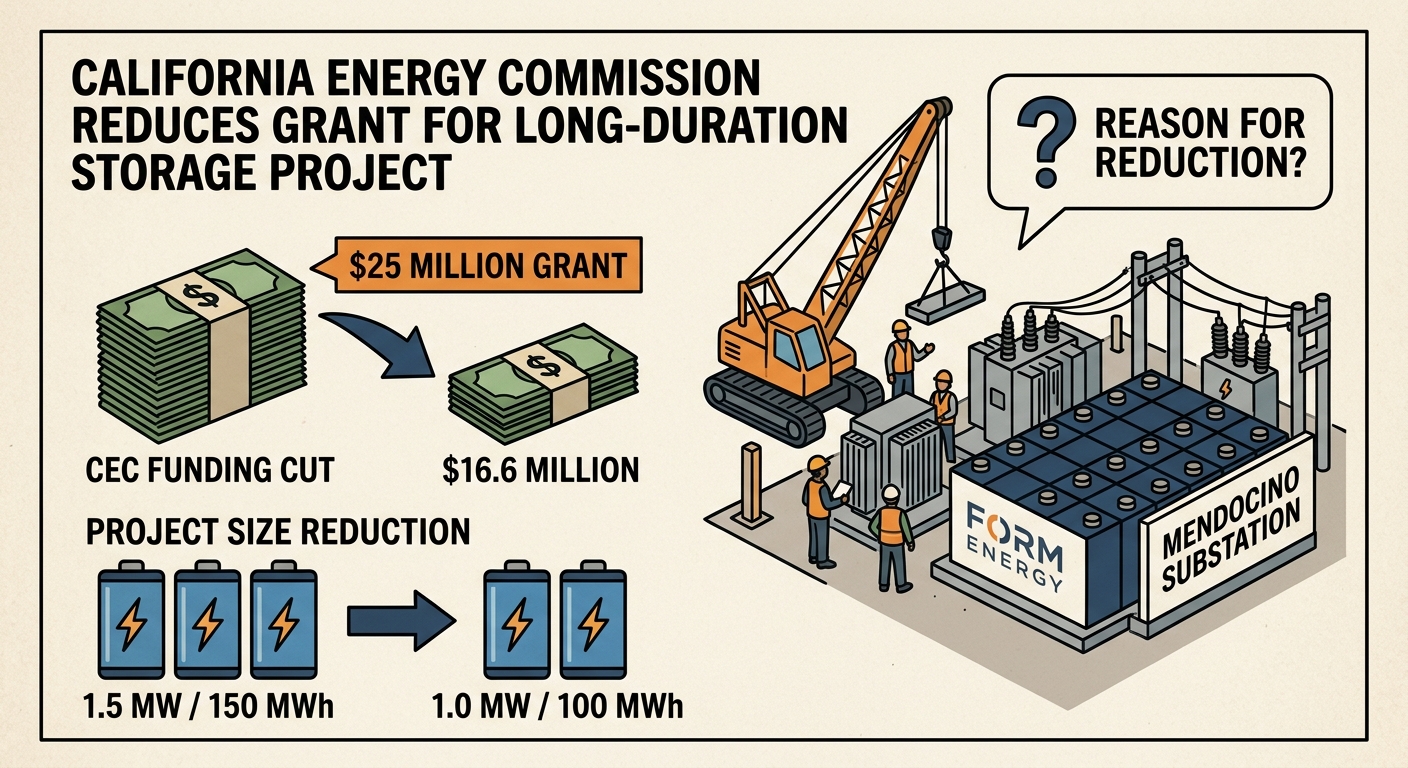
A Sept. 9 commission packet shows the agency poised to trim funding for a Mendocino Substation long-duration storage demo and reduce the project’s planned size.

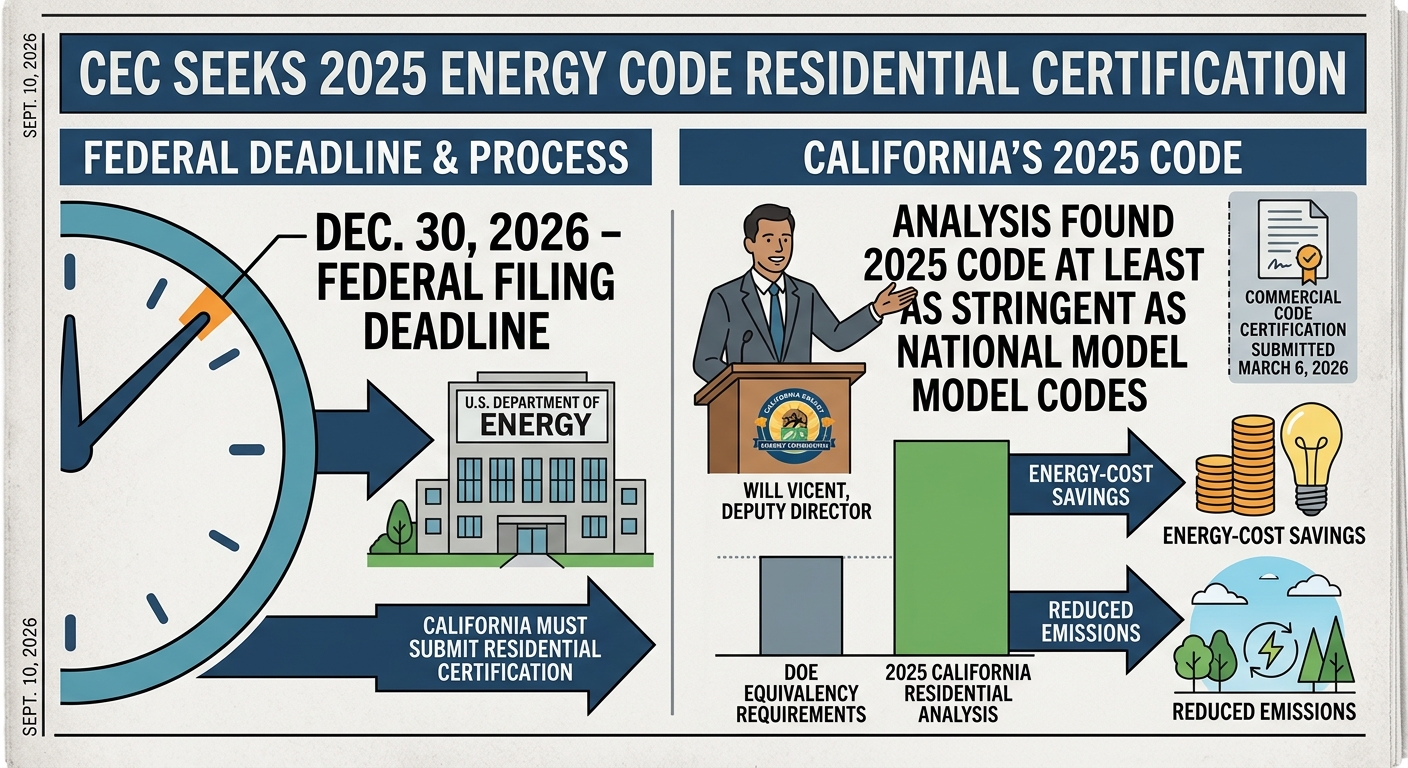
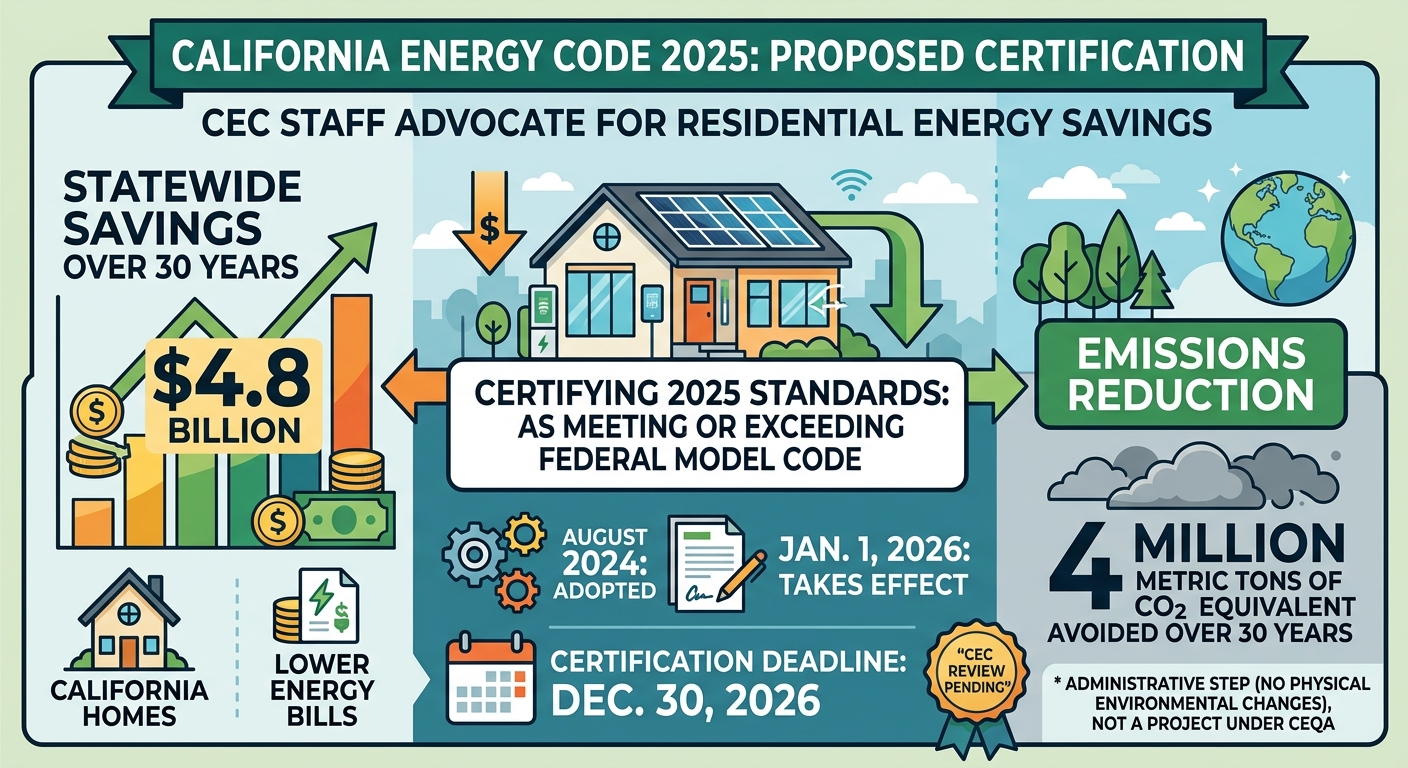
At its Sept. 9 business meeting, staff asked commissioners to approve residential state certification tied to the 2025 Energy Code and a Dec. 30, 2026 federal filing deadline.

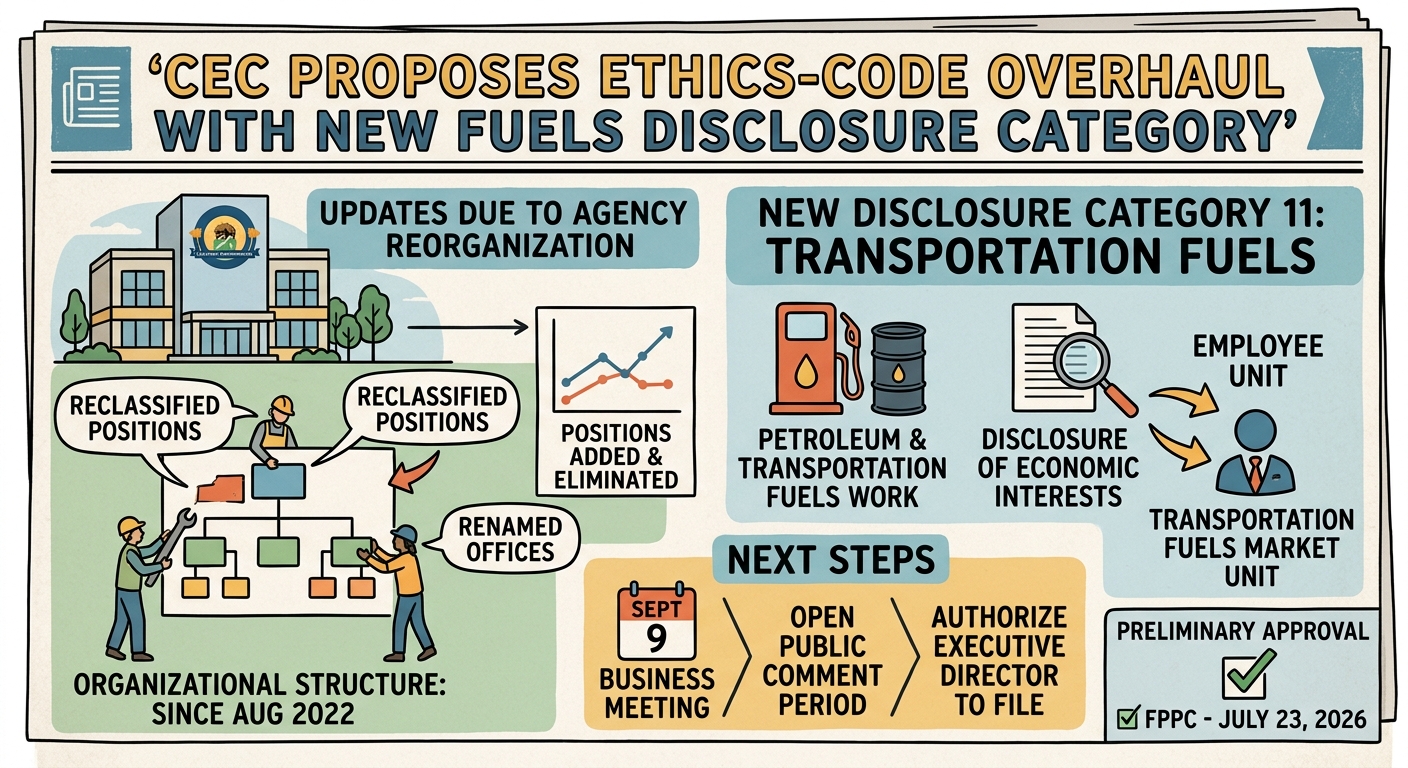
The California Energy Commission is moving to update its conflict-of-interest code to reflect agency reorganizations and add a new disclosure category for petroleum and transportation fuels work.

Business meeting materials say the code would meet federal residential standards and deliver large statewide energy and emissions savings over 30 years.

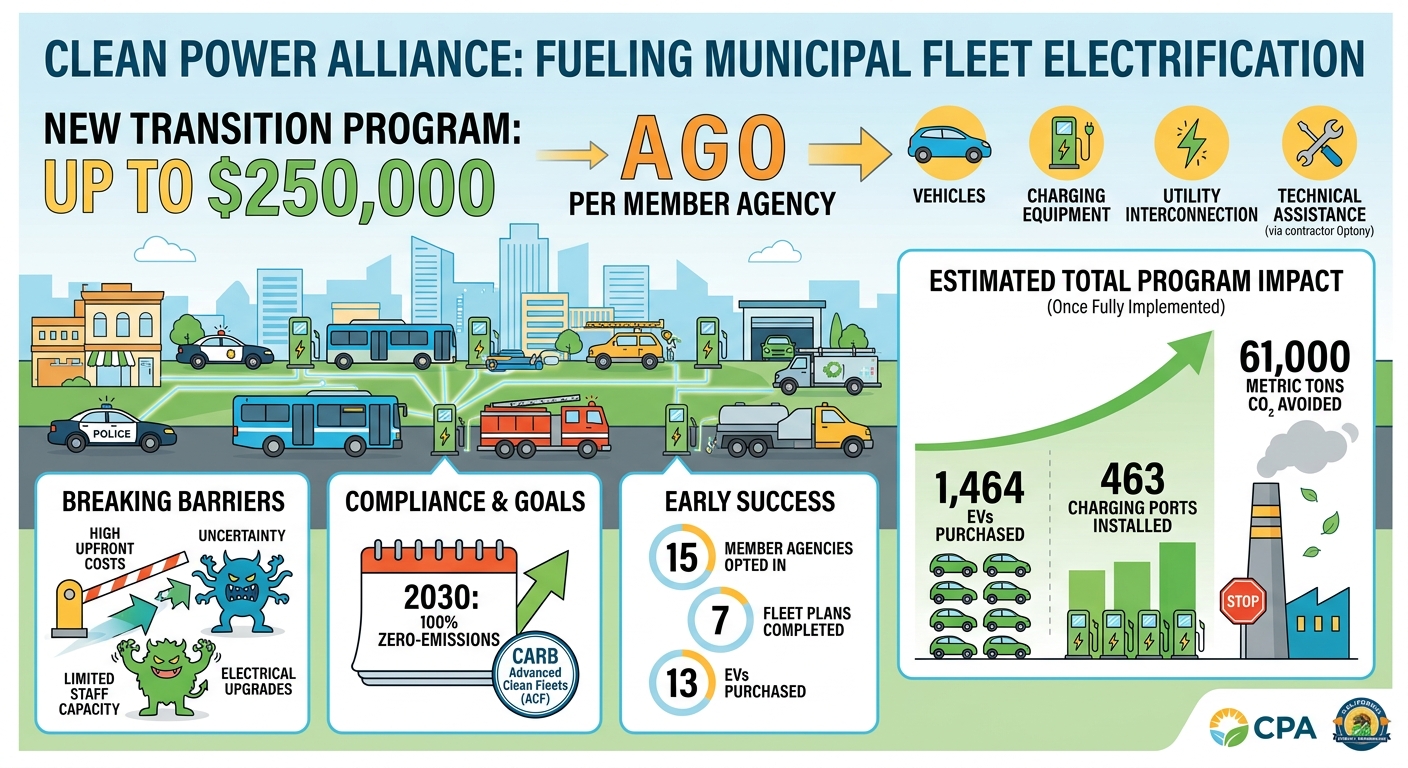
CPA says its new Electric Fleet Transition Program can help member agencies cover vehicles, charging equipment, interconnection and technical assistance as local governments work toward fleet electrification.