Yuba Water board advances Penstock recovery plan, approves budget and staffing cuts
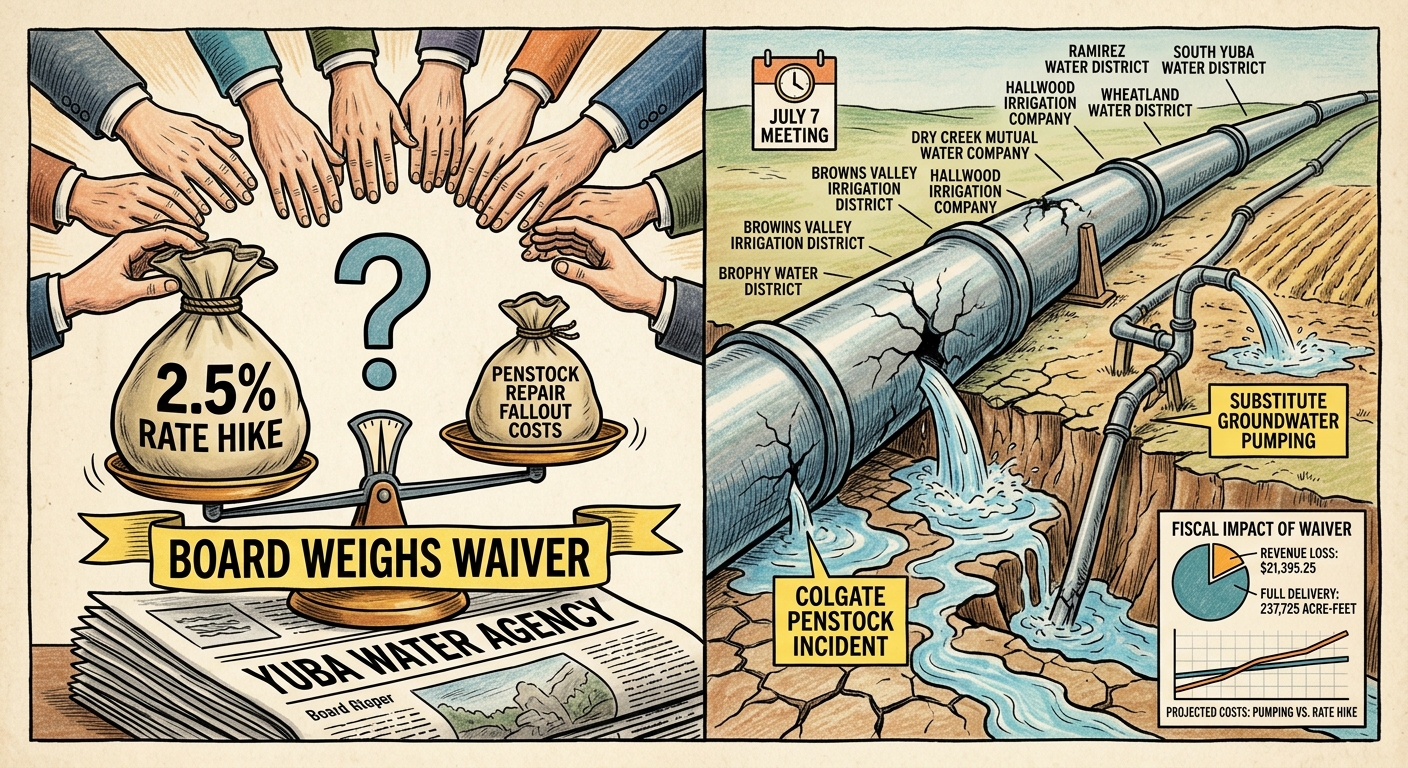
The board backed emergency contracting for Colgate Penstock repairs, adopted a recovery addendum, passed the FY 2026-27 budget and left 10 vacant positions unfunded.
Topic
Recent budget coverage from Yuba-Sutter, including local decisions, public meetings, and civic updates.

The board backed emergency contracting for Colgate Penstock repairs, adopted a recovery addendum, passed the FY 2026-27 budget and left 10 vacant positions unfunded.

Directors adopted the FY 2026-27 budget, updated staffing chart and an incident addendum as Penstock recovery work continues to shape agency priorities.

Supporters said the measure would give some cities and counties another option to protect core services as budget pressure grows.

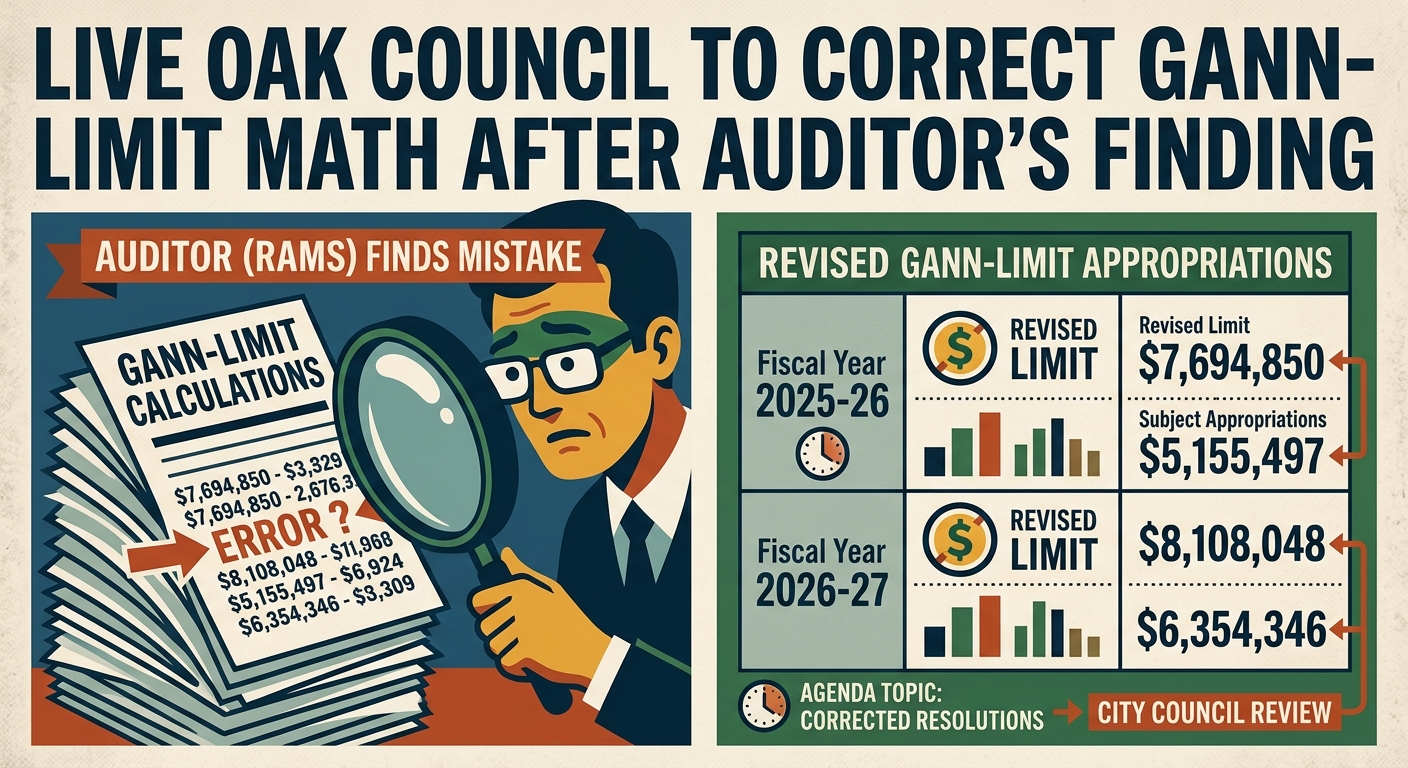
The board agenda bundles the county’s annual appropriations-limit action with the FY 2026-27 budget resolution, a drought plan, AB 481 compliance items and several land-use decisions.

The county board gave final approval to a five-year agreement tied to state preservation funding for capital improvements at the Yuba City facility.

The board paired its 2026-27 budget vote with a staffing chart that leaves 10 vacancies unfunded and a strategic-plan addendum guiding recovery work after the Colgate Penstock incident.

The board approved two grant amendments June 2, reallocating leftover money to complete work on local water infrastructure projects in Hallwood and Camptonville.

The June 23 agenda includes a public hearing on the charter petition, a required step under state education code, but does not show the board’s eventual action.

Council approved the city’s fiscal year 2026-27 operating budget and capital improvement plan after staff said revisions cut the projected general fund gap from about $7.8 million to roughly $2.2 million.

Committee leaders said the package balances the next two years, leans on about $5 billion in additional current-year revenue and adds to school funding before floor action.

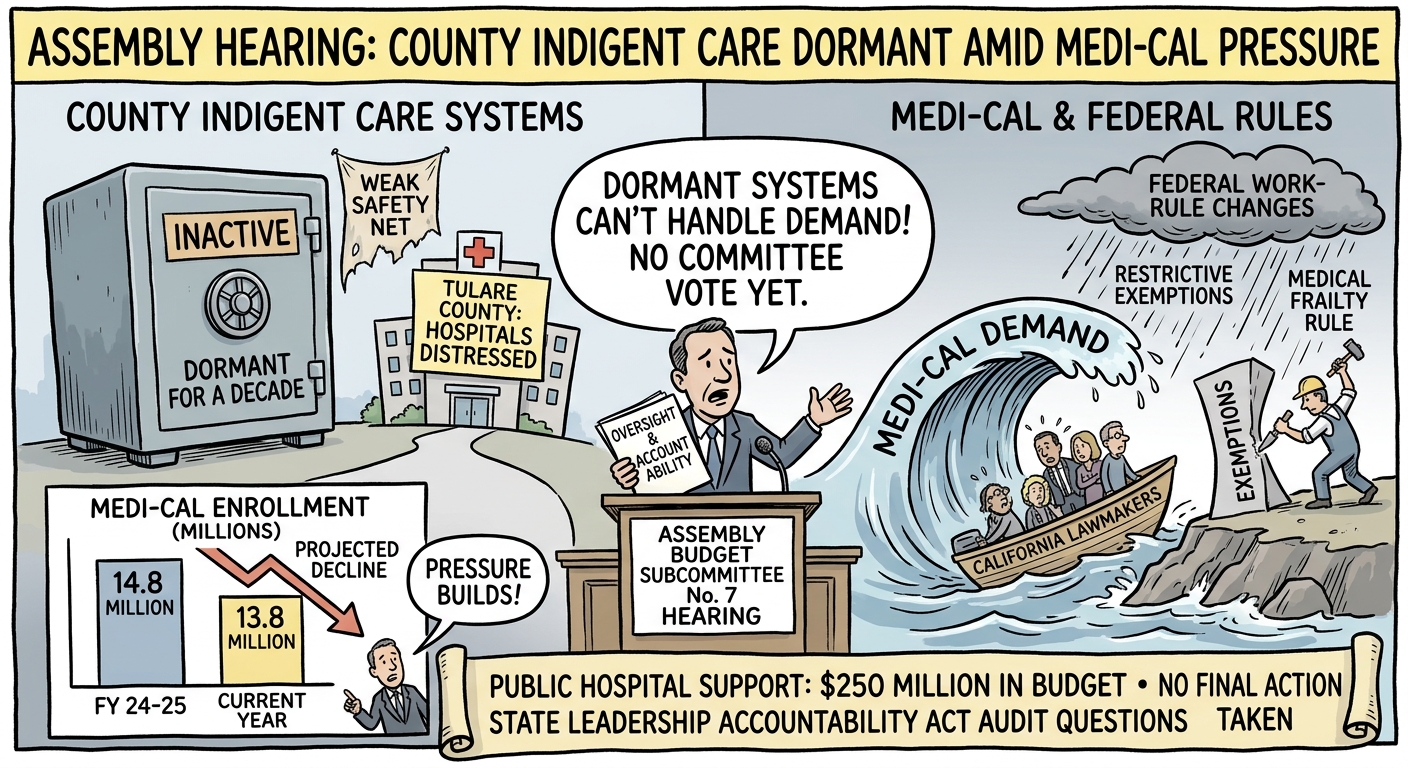
Assembly budget leaders say the 2026 spending plan preserves child care, health care and county safety-net funding while answering pressure from federal cuts.

SB 1349 moved out of the Revenue and Taxation Committee on a do-pass-as-amended vote and now heads to Assembly Appropriations.

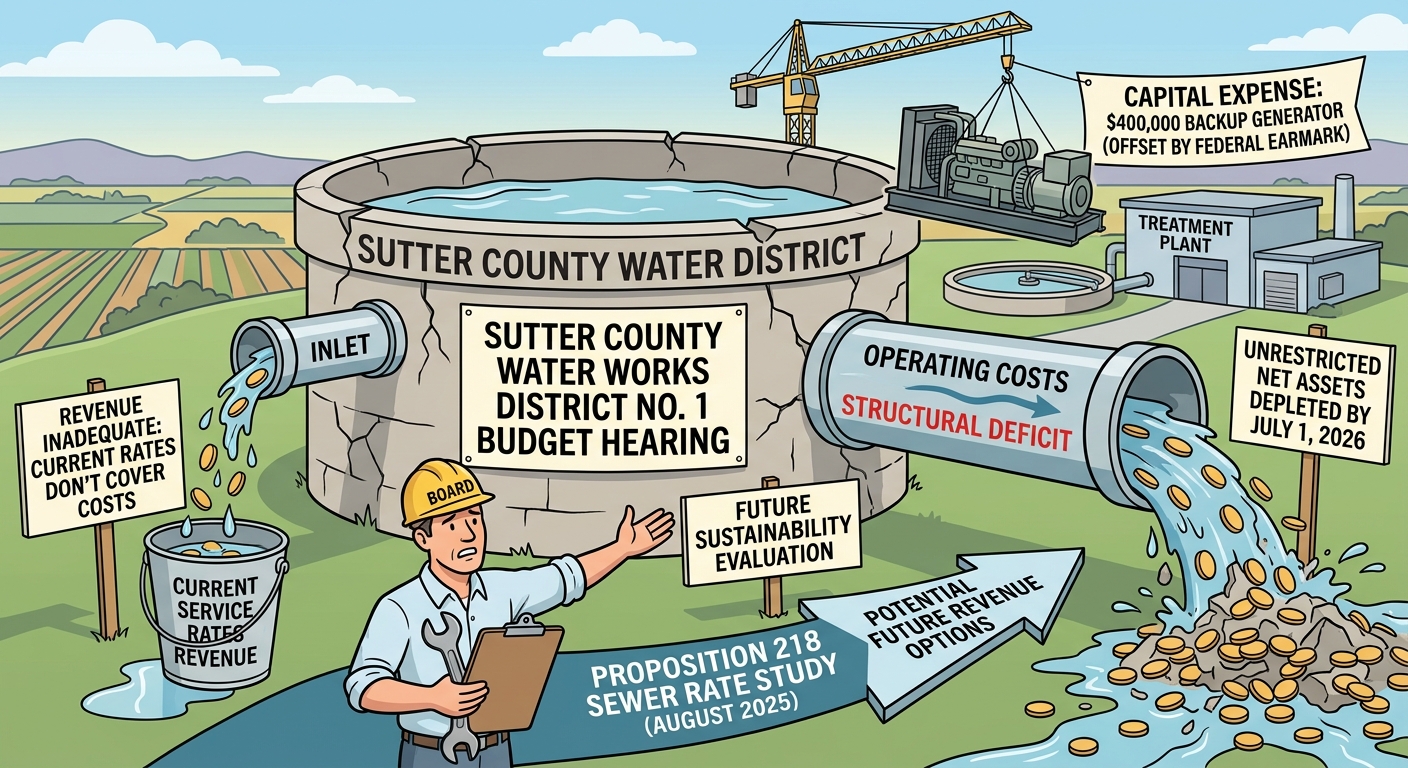
Water Works District No. 1 advanced a $594,985 FY 2026-27 budget to a June 23 adoption date while staff said current rates do not cover operating costs.

State and local witnesses said the youth mental health initiative is scaling, while warning that billing complexity and ongoing funding gaps could limit its reach.

The June 16 agenda puts a one-year narcotic treatment program agreement with American Addiction Treatment Services before the Health and Welfare Committee for later board consideration.

The Assembly passed AB 1534 and backed urgency language for the bill, which would create a state approval process for short-term workforce training programs seeking Pell Grant access.

Supporters from housing, land-use and local government groups said the bill would help fill an affordable-housing financing gap and could fit into a broader state bond strategy.

Supervisors were set to consider a climate adaptation capital improvement plan for flood-prone areas in East Linda, West Linda and Olivehurst.

Finance proposed shifting $1.7 billion from the 2025-26 school settle-up into the Prop. 98 rainy day fund, a move lawmakers and the LAO questioned at a budget hearing.

State Student Aid Commission officials told lawmakers California is not on track to launch the new federal short-term training aid program on time.

The county’s annual housing progress report says unincorporated growth remains well below 2030 General Plan assumptions and has reduced expected development impact-fee revenue.

The April 7 committee packet recommends Board approval of a three-year grant agreement to support Community Health Assessment and Community Health Improvement Plan work.

The June 9 agenda would raise the contract cap to $696,600, extend the agreement through June 30, 2027 and add another facility.

The district’s June 9 budget packet shows a major jump in recommended spending, including a $400,000 federal earmark for a backup generator and language saying current rates do not cover operating costs.