Yuba Water board advances Penstock recovery plan, approves budget and staffing cuts
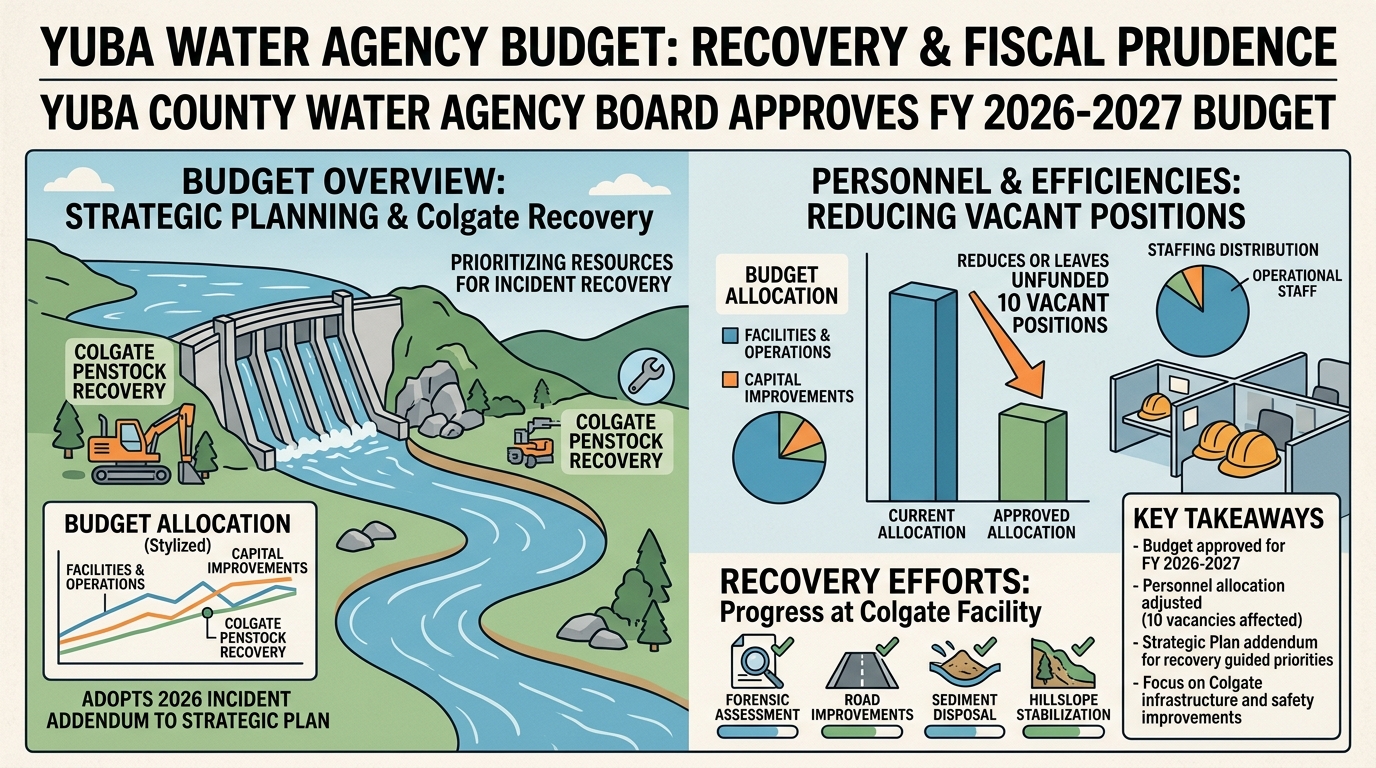
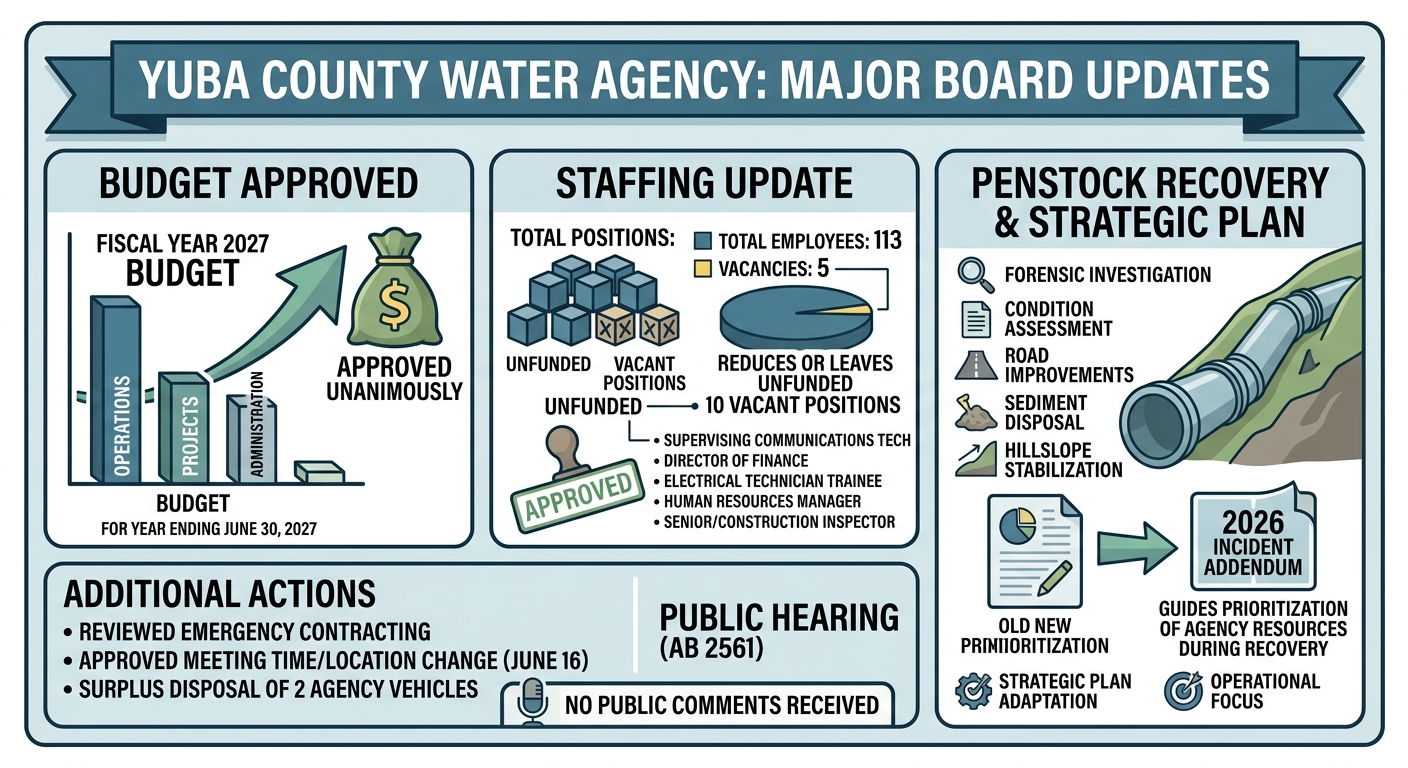
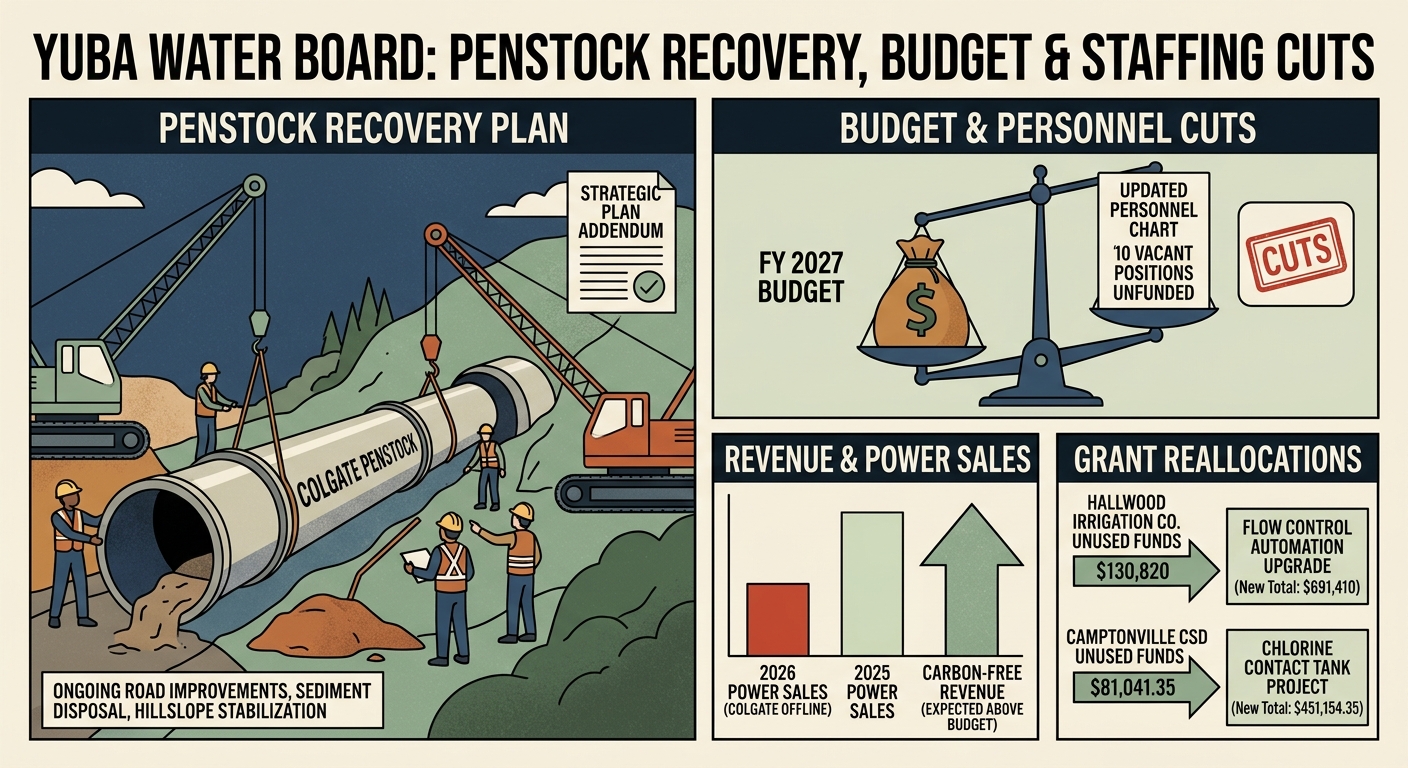
The board backed emergency contracting for Colgate Penstock repairs, adopted a recovery addendum, passed the FY 2026-27 budget and left 10 vacant positions unfunded.


The board backed emergency contracting for Colgate Penstock repairs, adopted a recovery addendum, passed the FY 2026-27 budget and left 10 vacant positions unfunded.

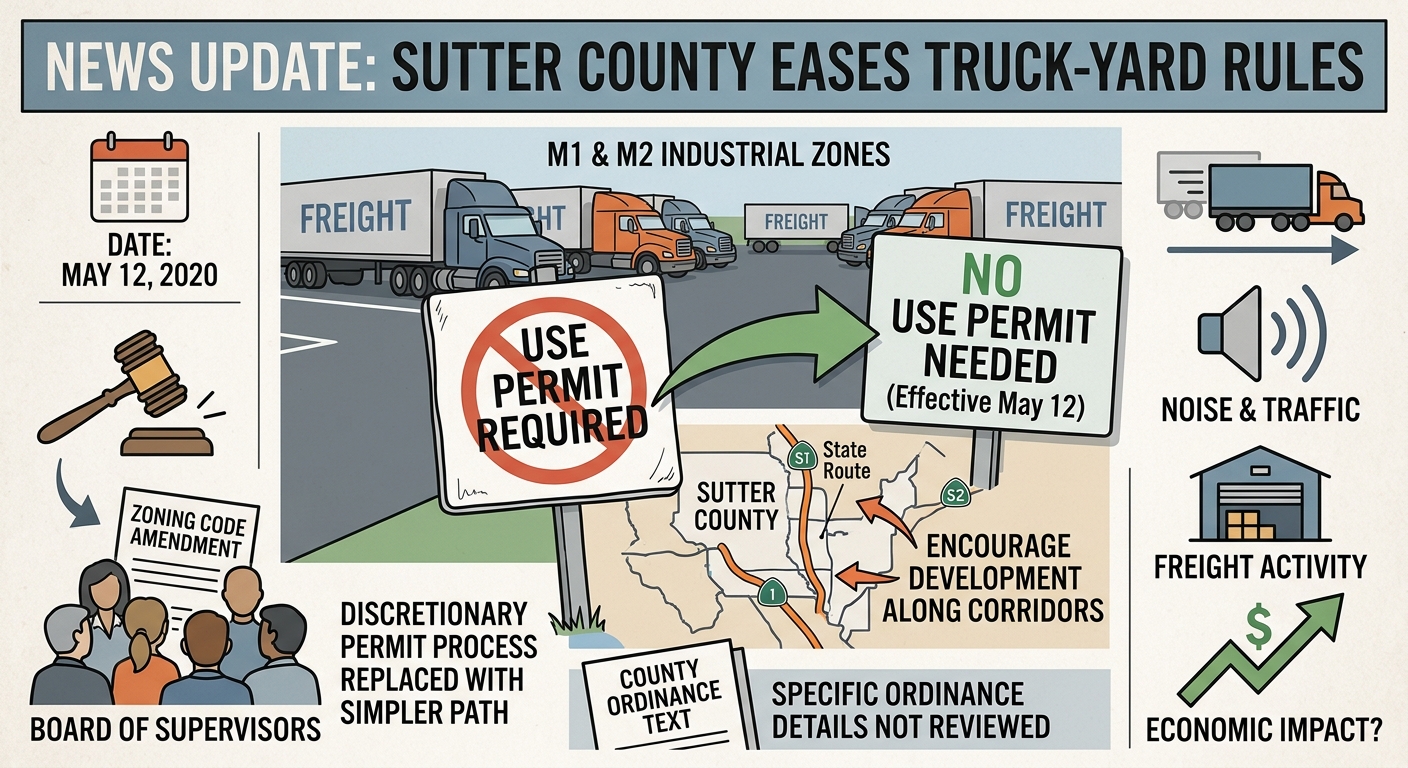
At a May 20 planning meeting, staff said the Board of Supervisors had removed the use-permit requirement for truck yards in M1 and M2 zones, shifting them toward by-right development.

Directors adopted the FY 2026-27 budget, updated staffing chart and an incident addendum as Penstock recovery work continues to shape agency priorities.

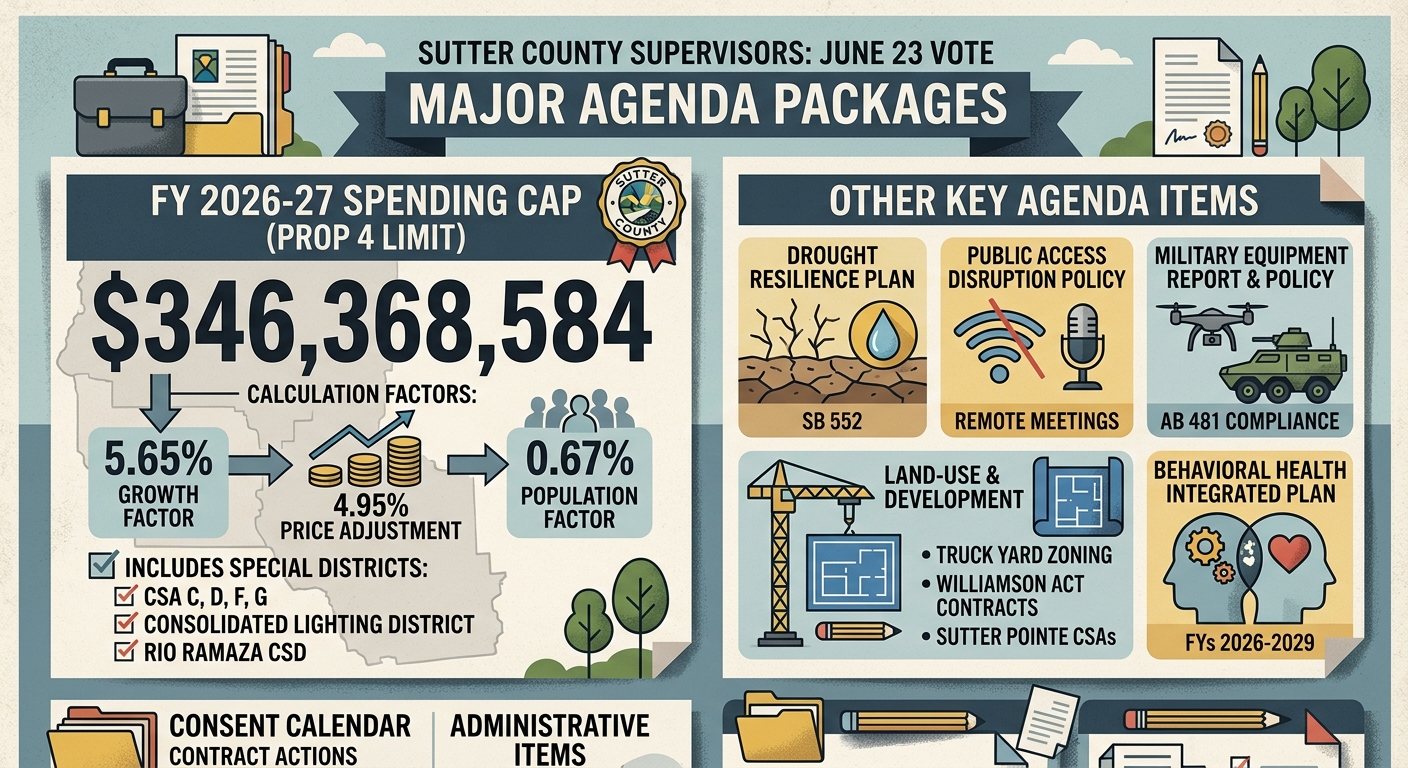
The board agenda bundles the county’s annual appropriations-limit action with the FY 2026-27 budget resolution, a drought plan, AB 481 compliance items and several land-use decisions.

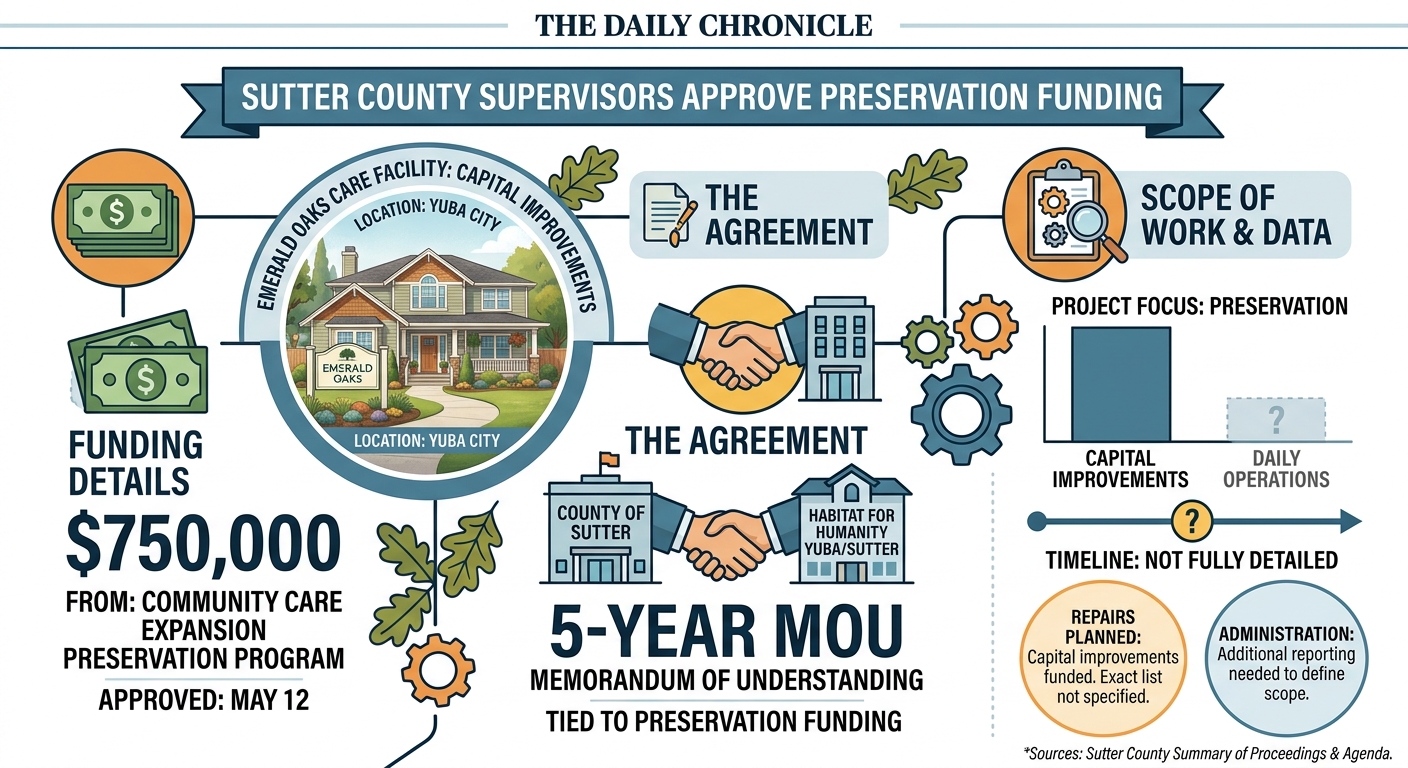
The county board gave final approval to a five-year agreement tied to state preservation funding for capital improvements at the Yuba City facility.

The board paired its 2026-27 budget vote with a staffing chart that leaves 10 vacancies unfunded and a strategic-plan addendum guiding recovery work after the Colgate Penstock incident.

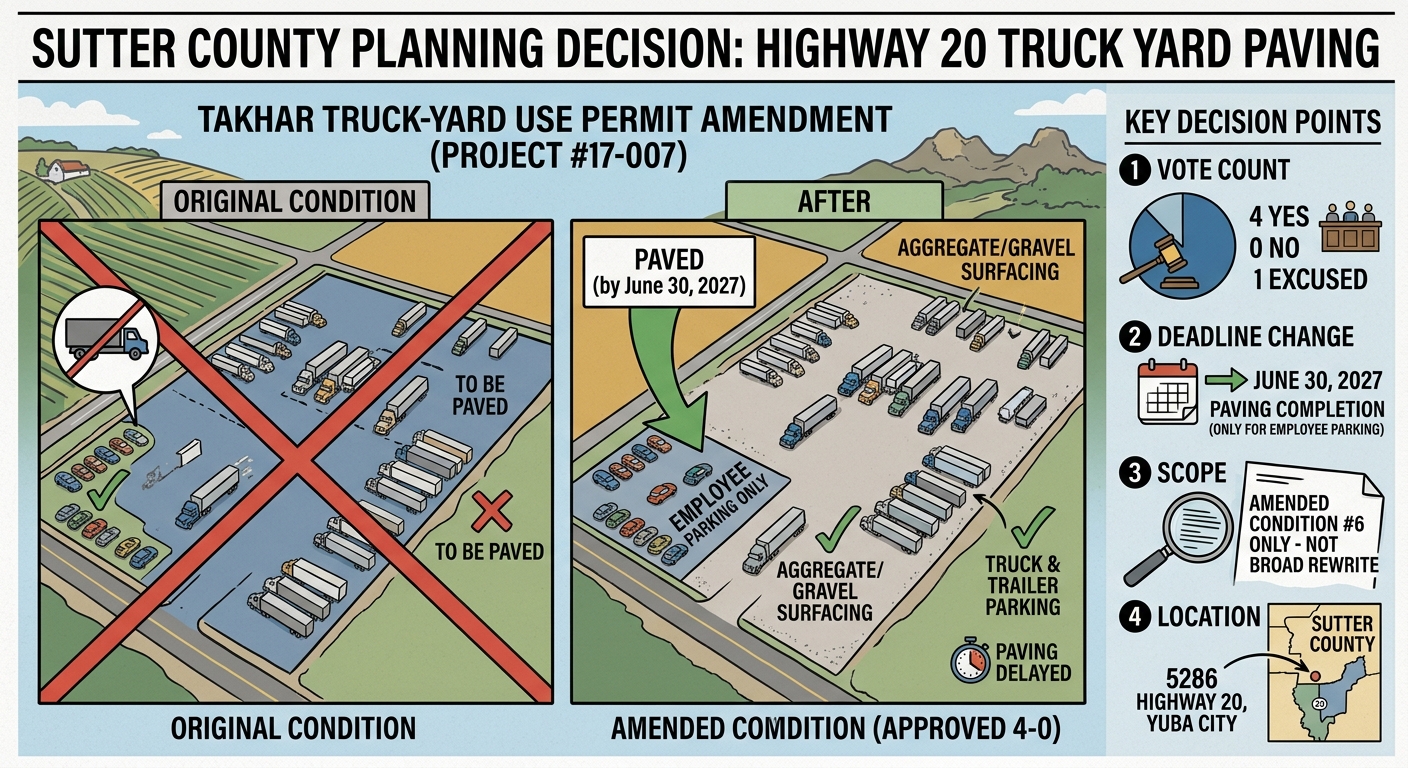
The Planning Commission amended the Takhar permit so paving is now limited to employee parking areas, with the deadline pushed to June 30, 2027.

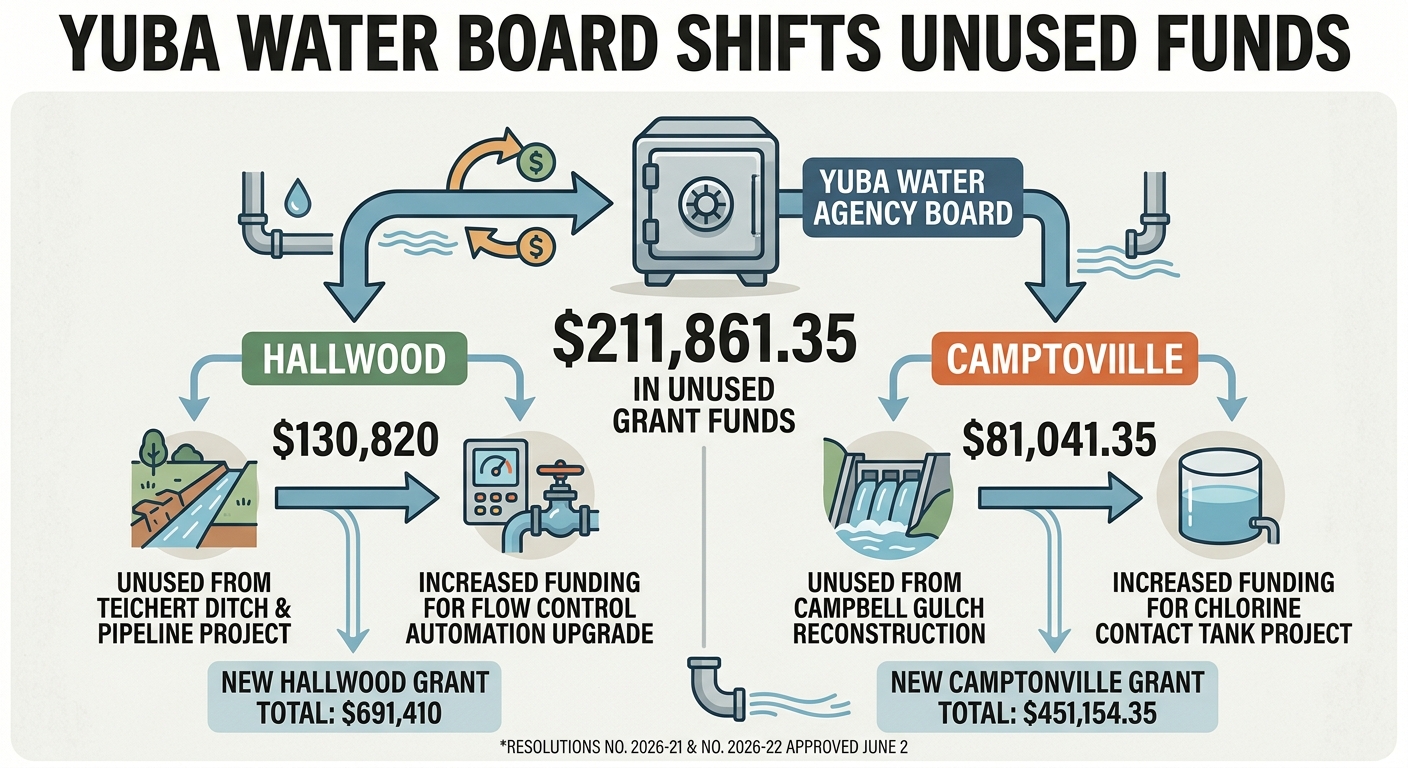
The board approved two grant amendments June 2, reallocating leftover money to complete work on local water infrastructure projects in Hallwood and Camptonville.

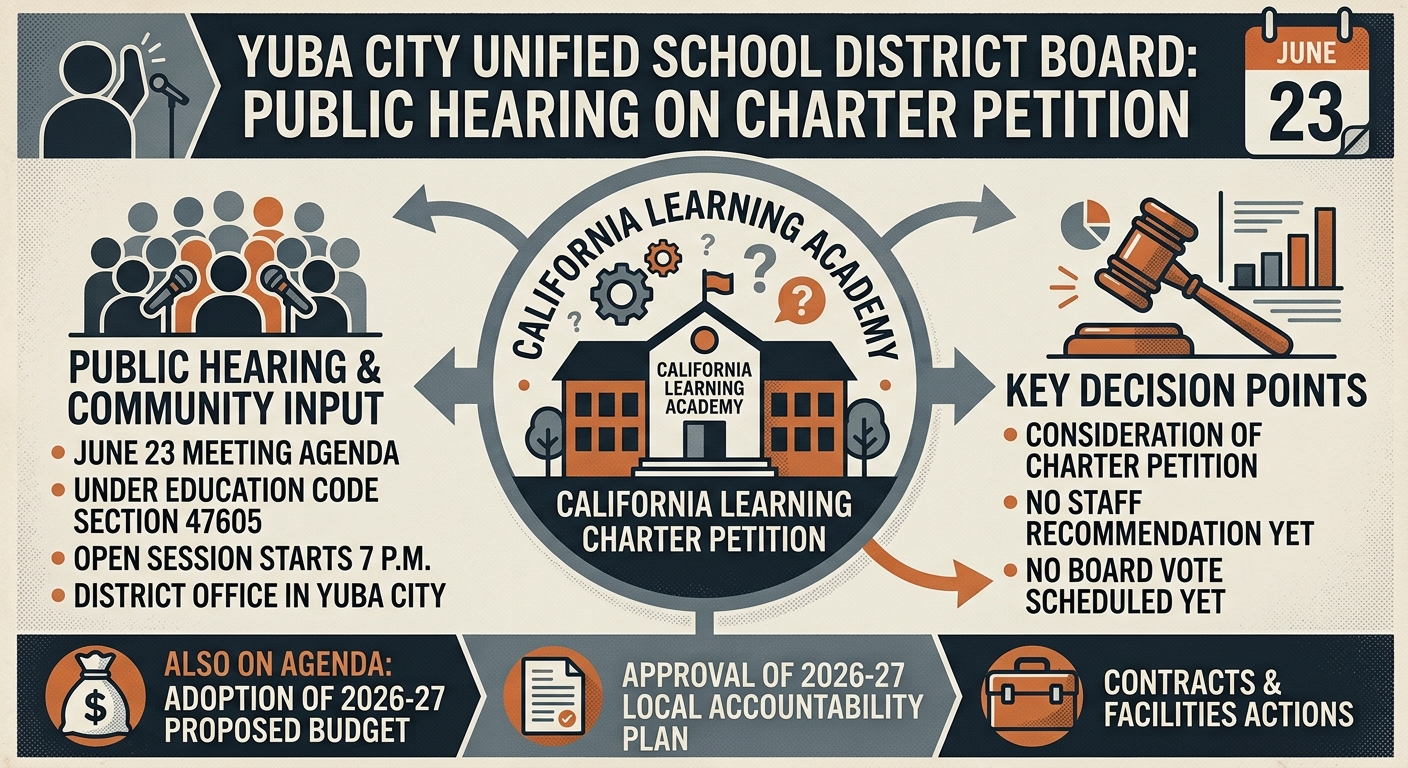
The June 23 agenda includes a public hearing on the charter petition, a required step under state education code, but does not show the board’s eventual action.

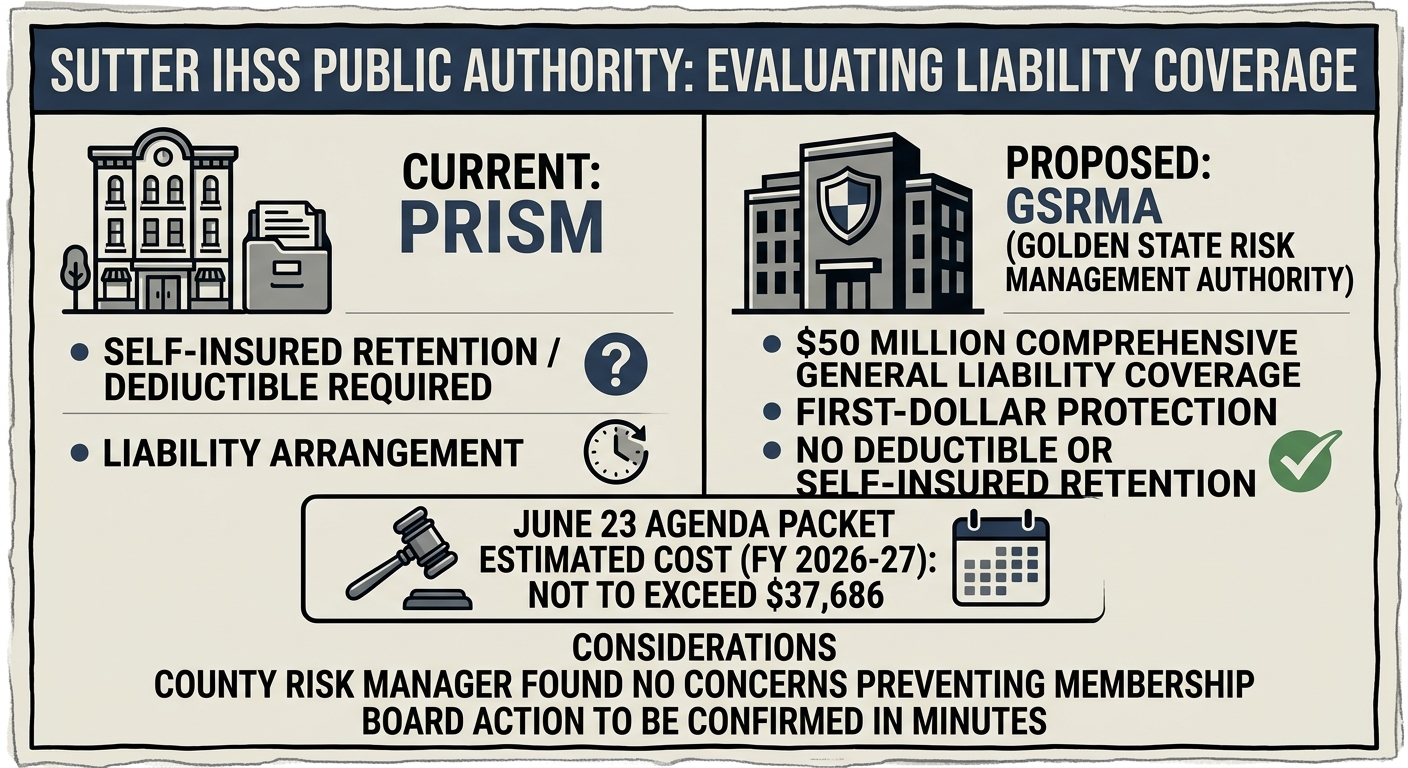
A June 23 packet asks the board to join the risk pool for general liability coverage at a cost not to exceed $37,686 for fiscal 2026-27.

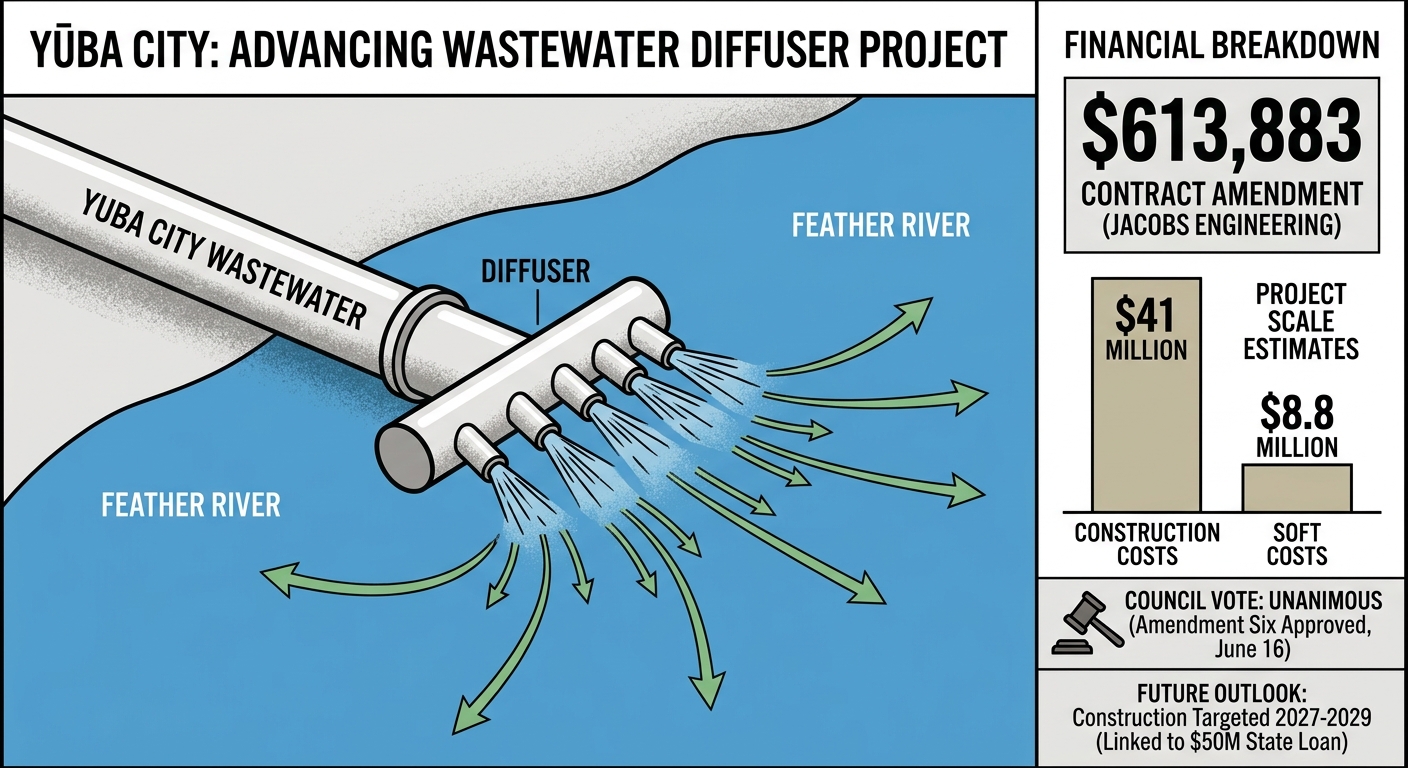
Council approved a bid-phase services amendment for the long-delayed outfall diffuser project, which staff says is tied to a proposed $50 million state loan and a 2027-29 timeline.

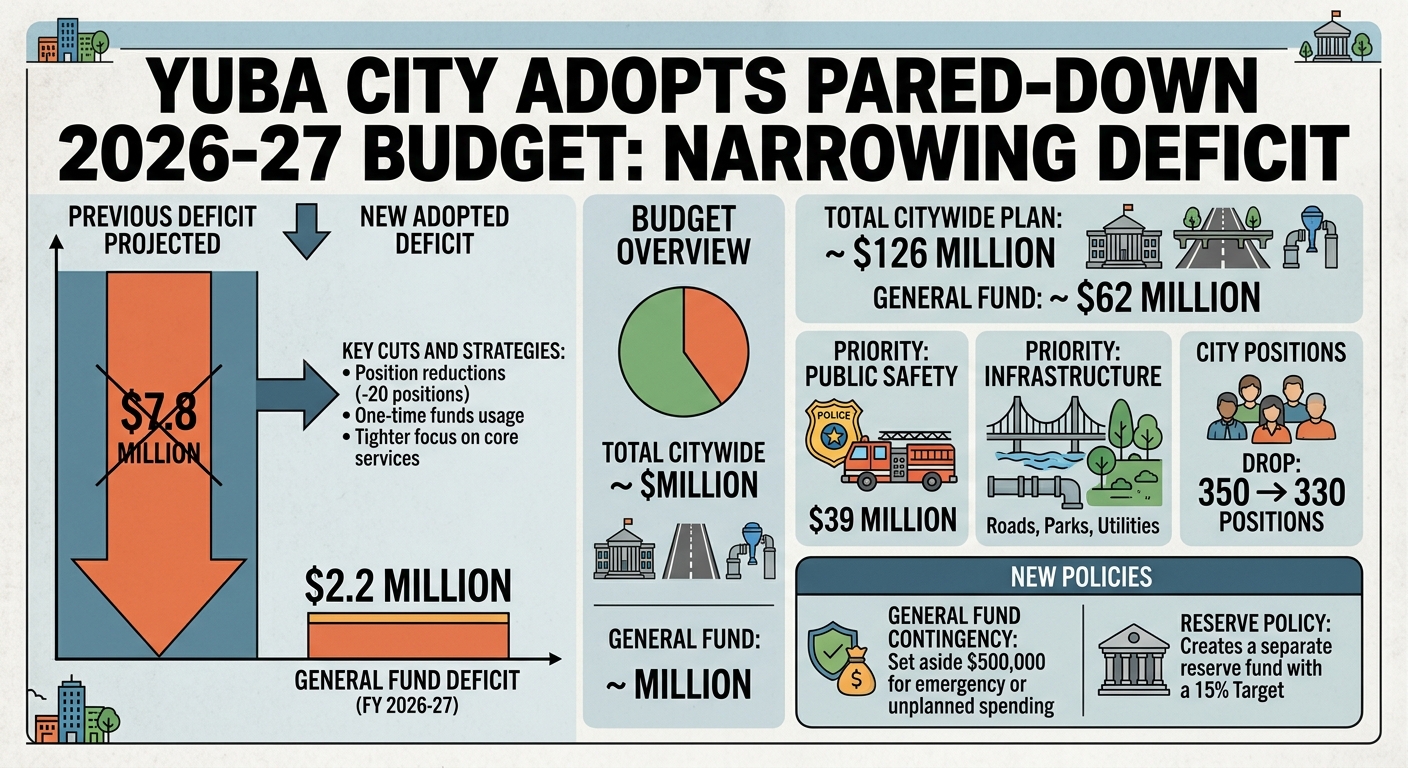
Council approved the city’s fiscal year 2026-27 operating budget and capital improvement plan after staff said revisions cut the projected general fund gap from about $7.8 million to roughly $2.2 million.

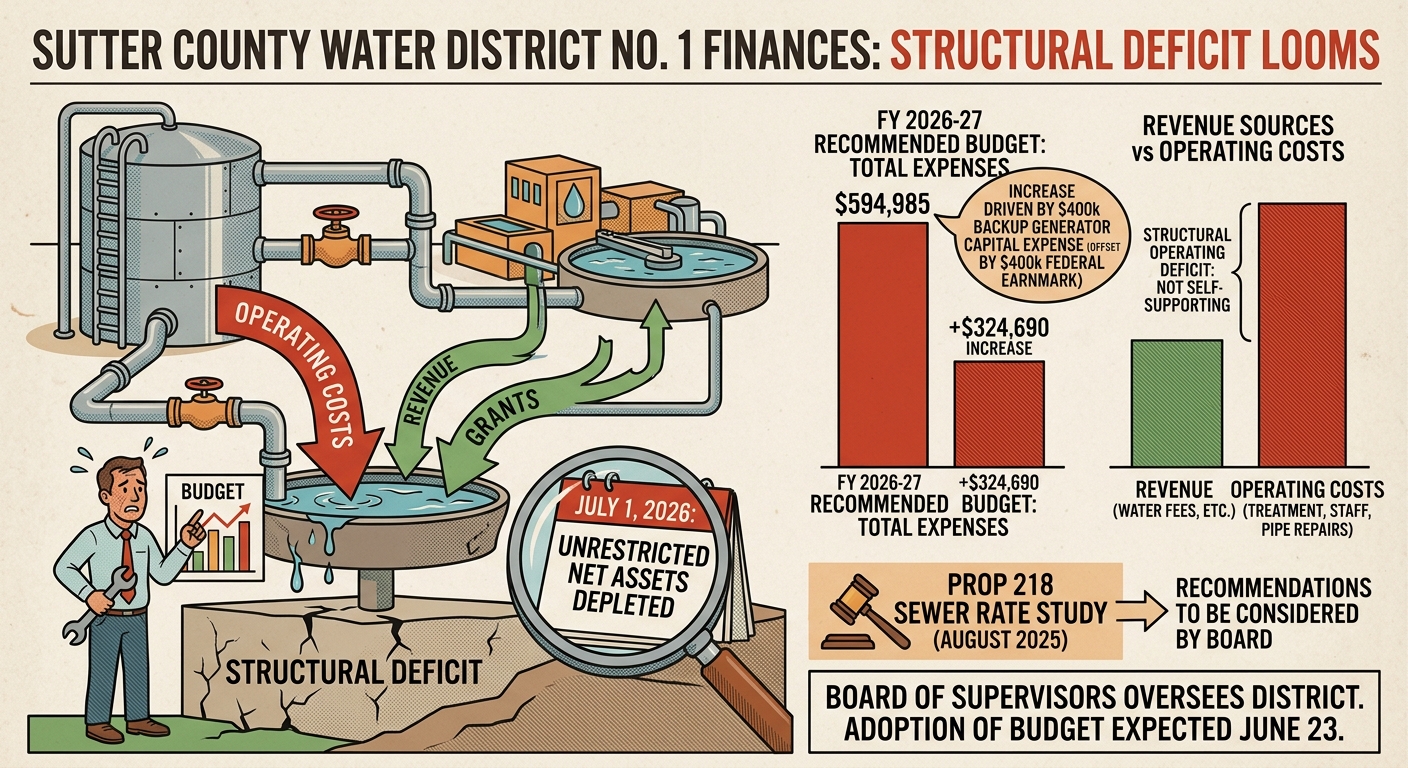
Water Works District No. 1 advanced a $594,985 FY 2026-27 budget to a June 23 adoption date while staff said current rates do not cover operating costs.

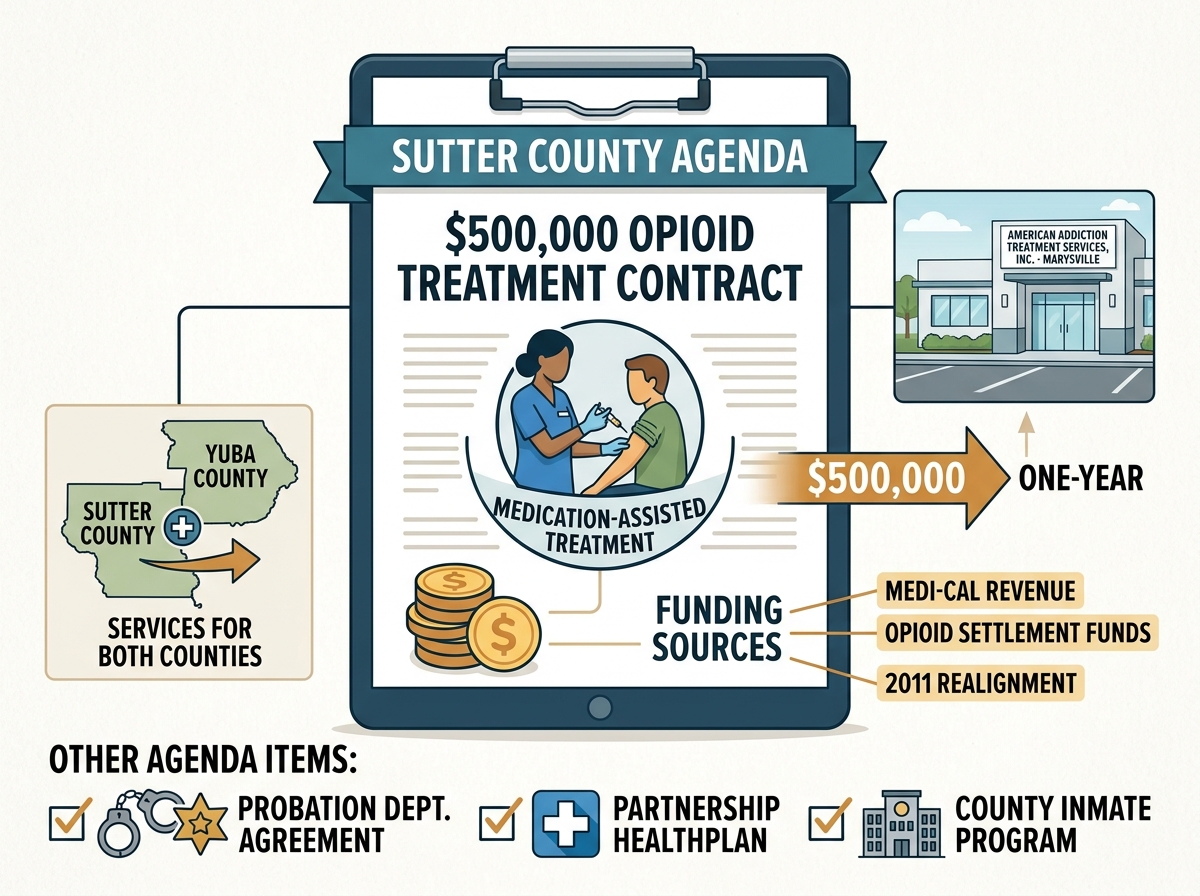
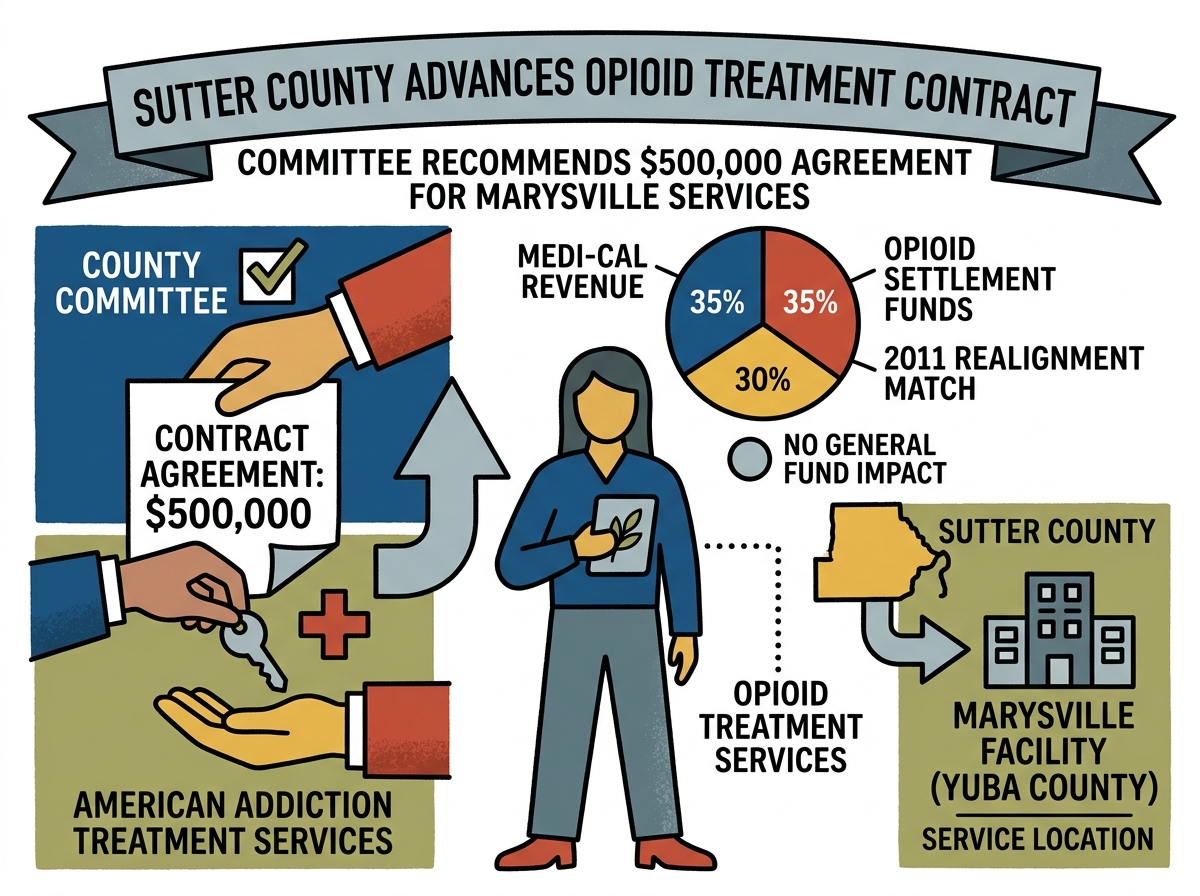
Staff say the one-year deal would fund narcotic treatment program services for Sutter and Yuba counties with no county general fund impact.

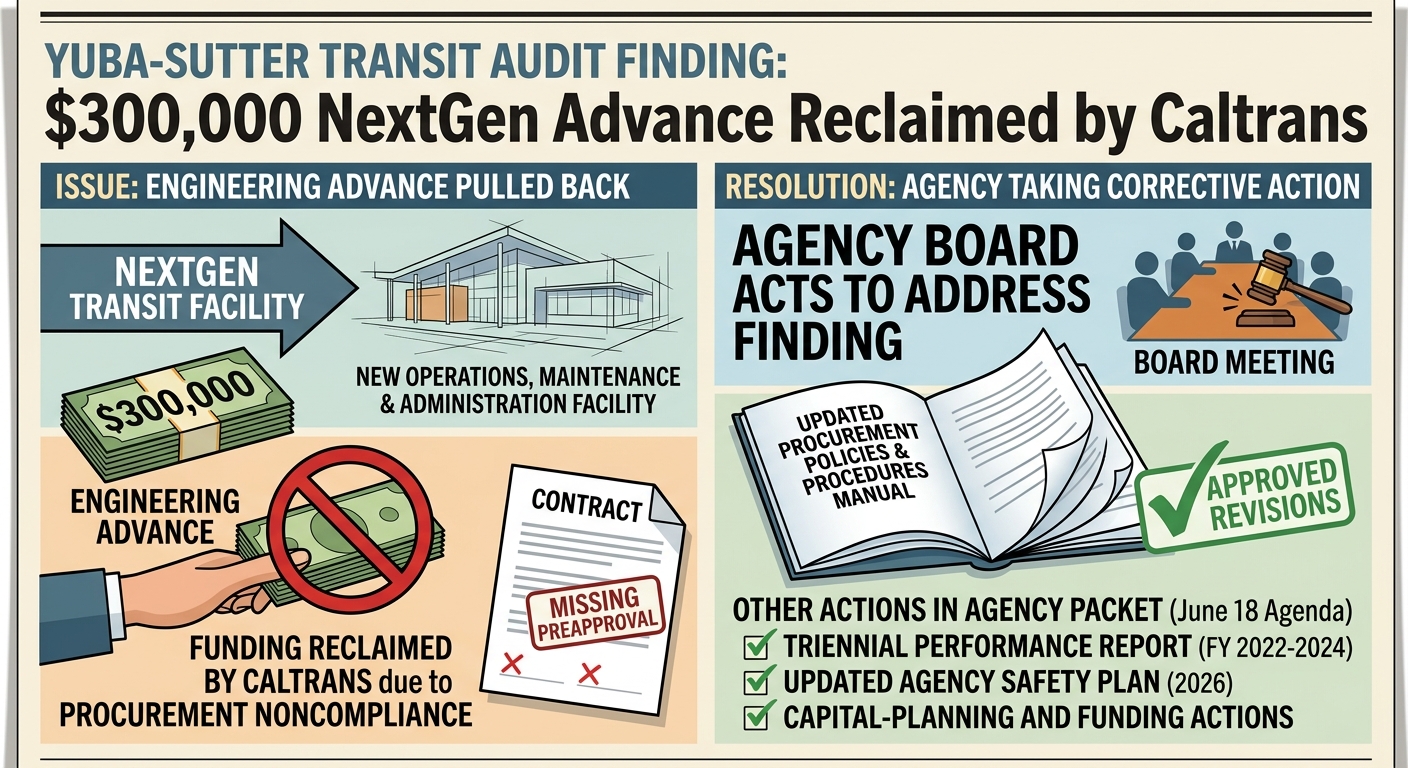
Board materials say Caltrans pulled back $300,000 in engineering grant funding for the NextGen Transit Facility after procurement preapproval steps were not followed, and that the board later revised its procurement manual.

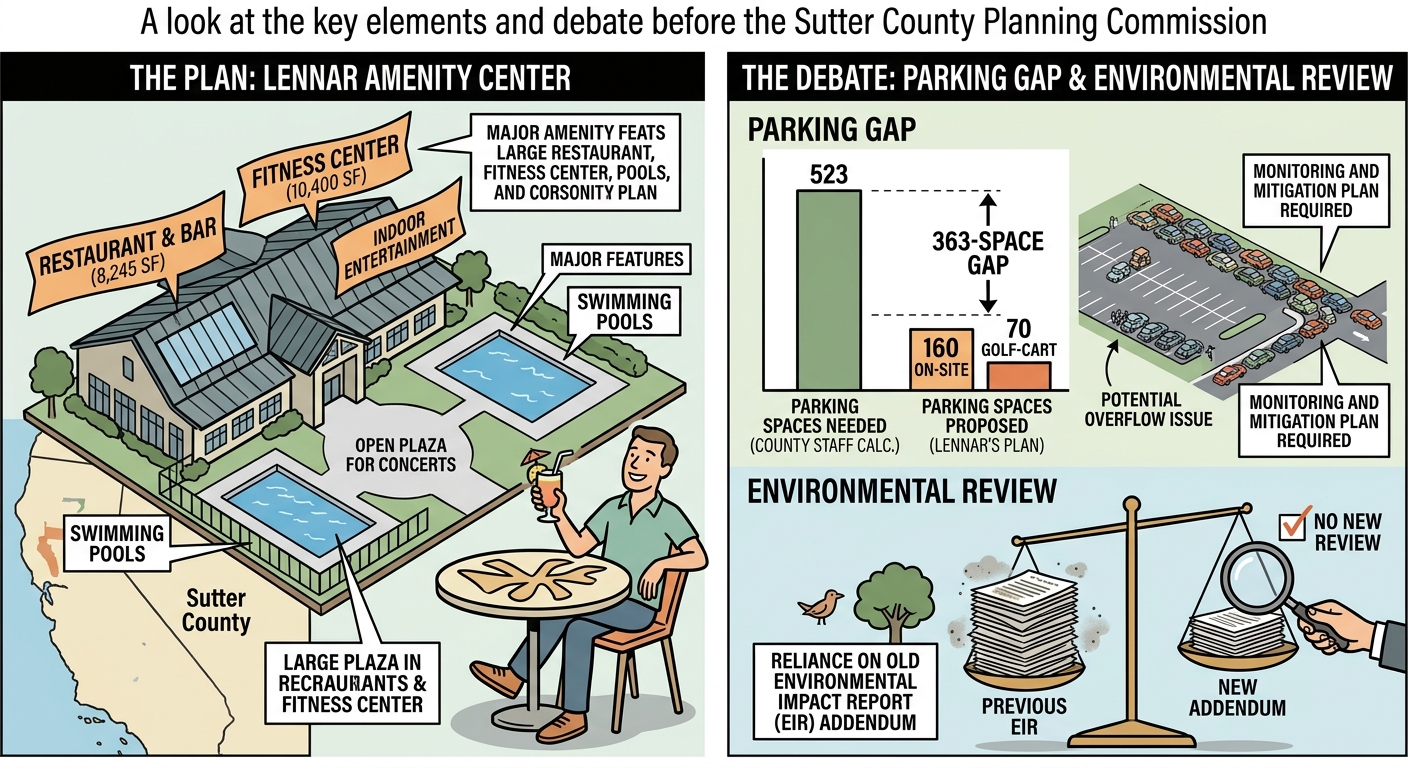
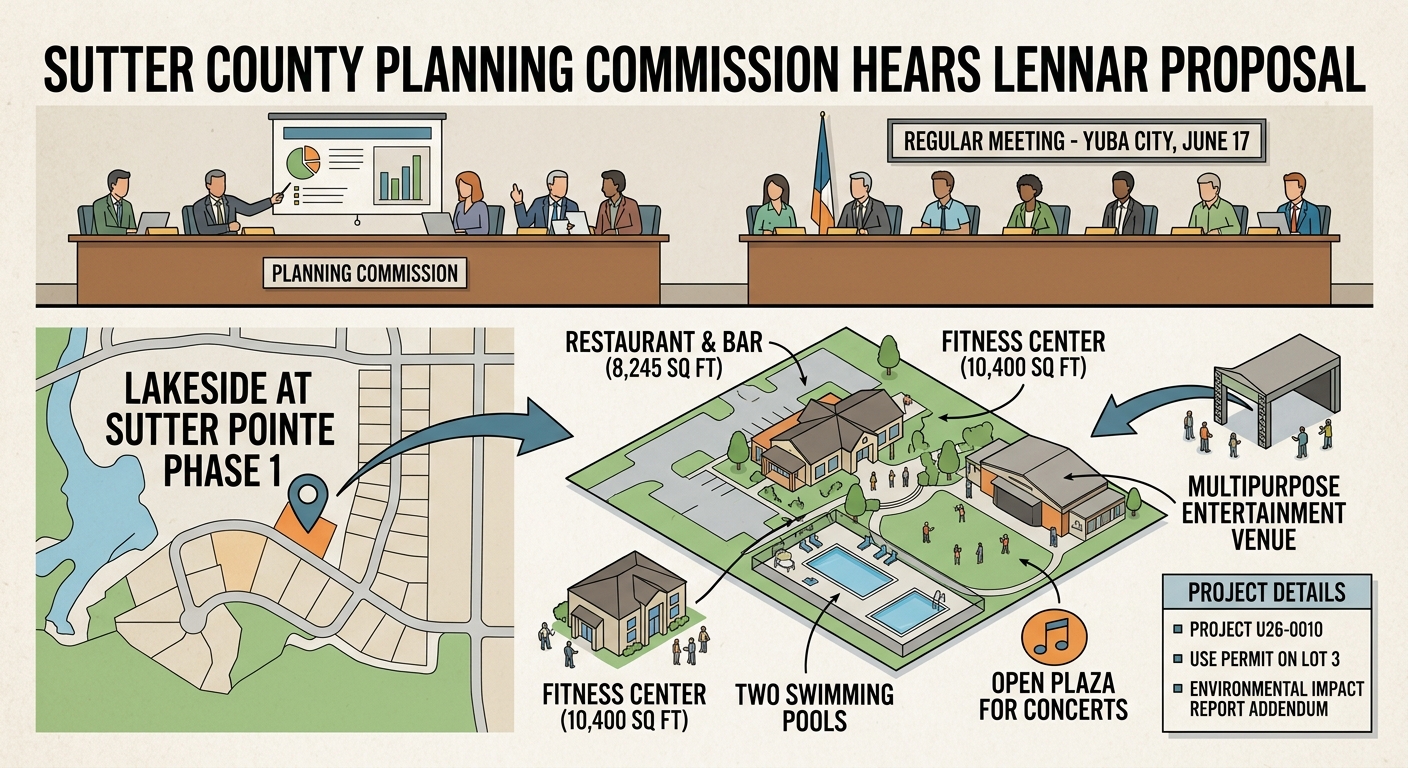
The county’s June 17 agenda puts a Latitude Margaritaville private amenity center on the table, including a restaurant-bar, fitness center, pools and event space, along with a proposed parking reduction and an addendum to the prior Sutter Pointe EIR.

The June 16 agenda puts a one-year narcotic treatment program agreement with American Addiction Treatment Services before the Health and Welfare Committee for later board consideration.

The June 17 agenda includes a public hearing on a Lennar project at Lakeside at Sutter Pointe Phase 1 that would add a restaurant and bar, fitness center, pools and event space.

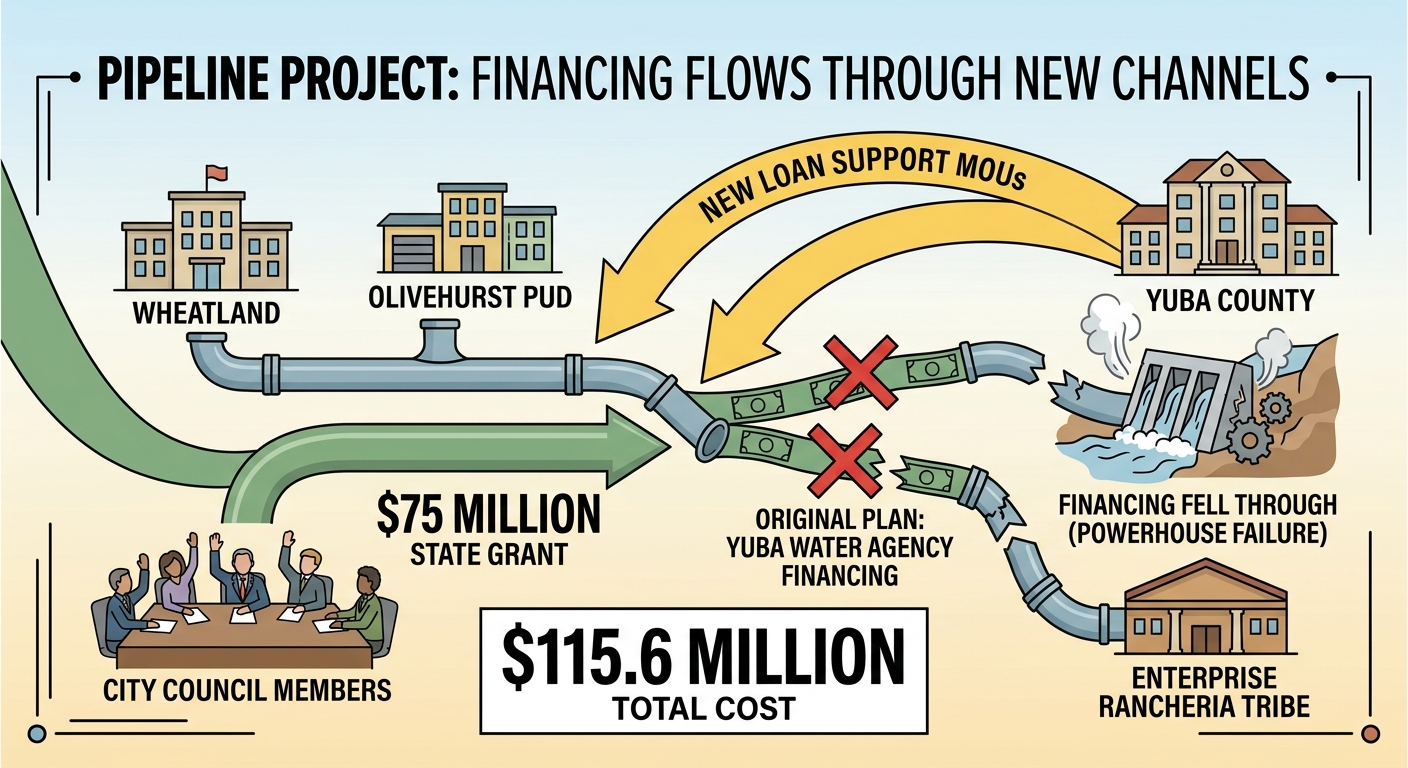
The council unanimously backed two memorandums of understanding to support financing for the South County Infrastructure Project, a regional wastewater conveyance system the city says is about $115.6 million.

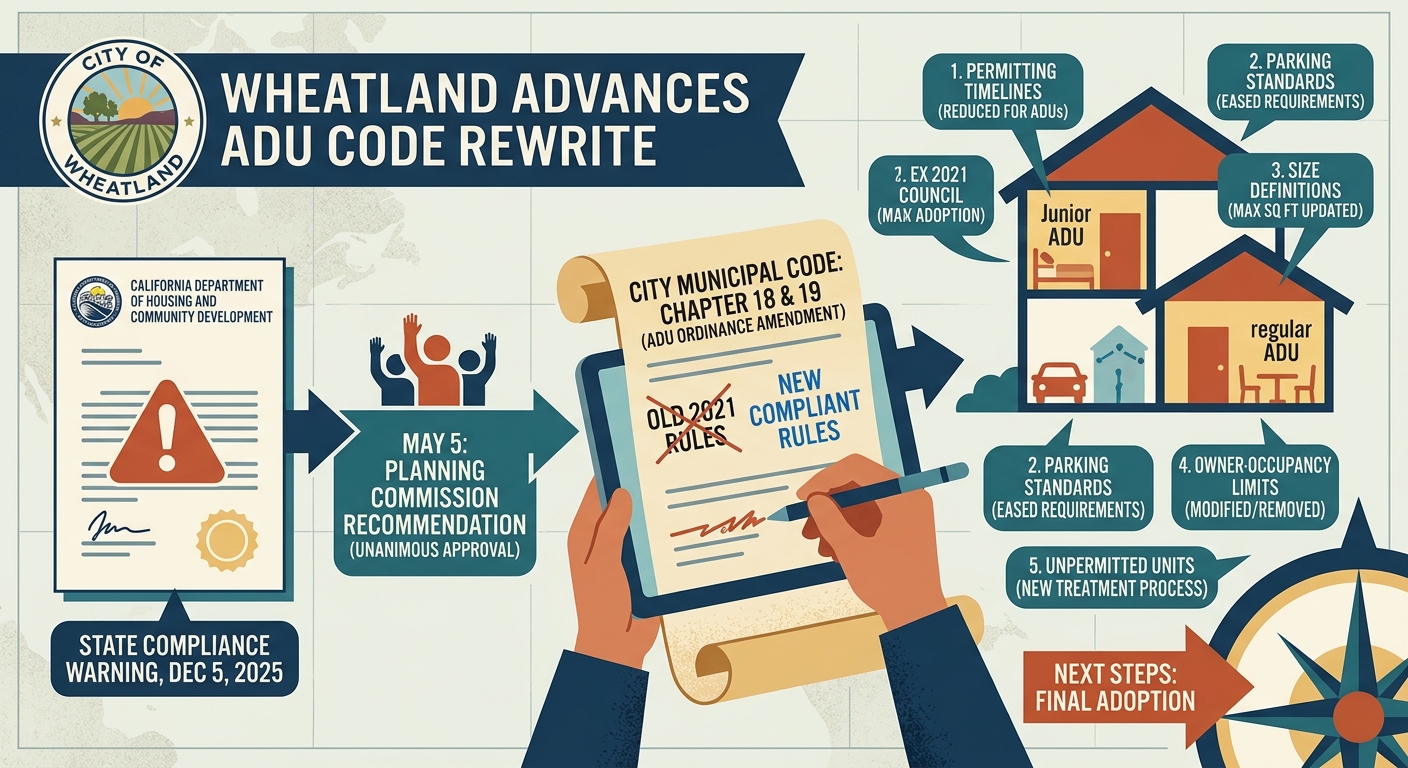
The council introduced an accessory dwelling unit ordinance update after staff said the city’s 2021 rules no longer align with state law and a December HCD letter.

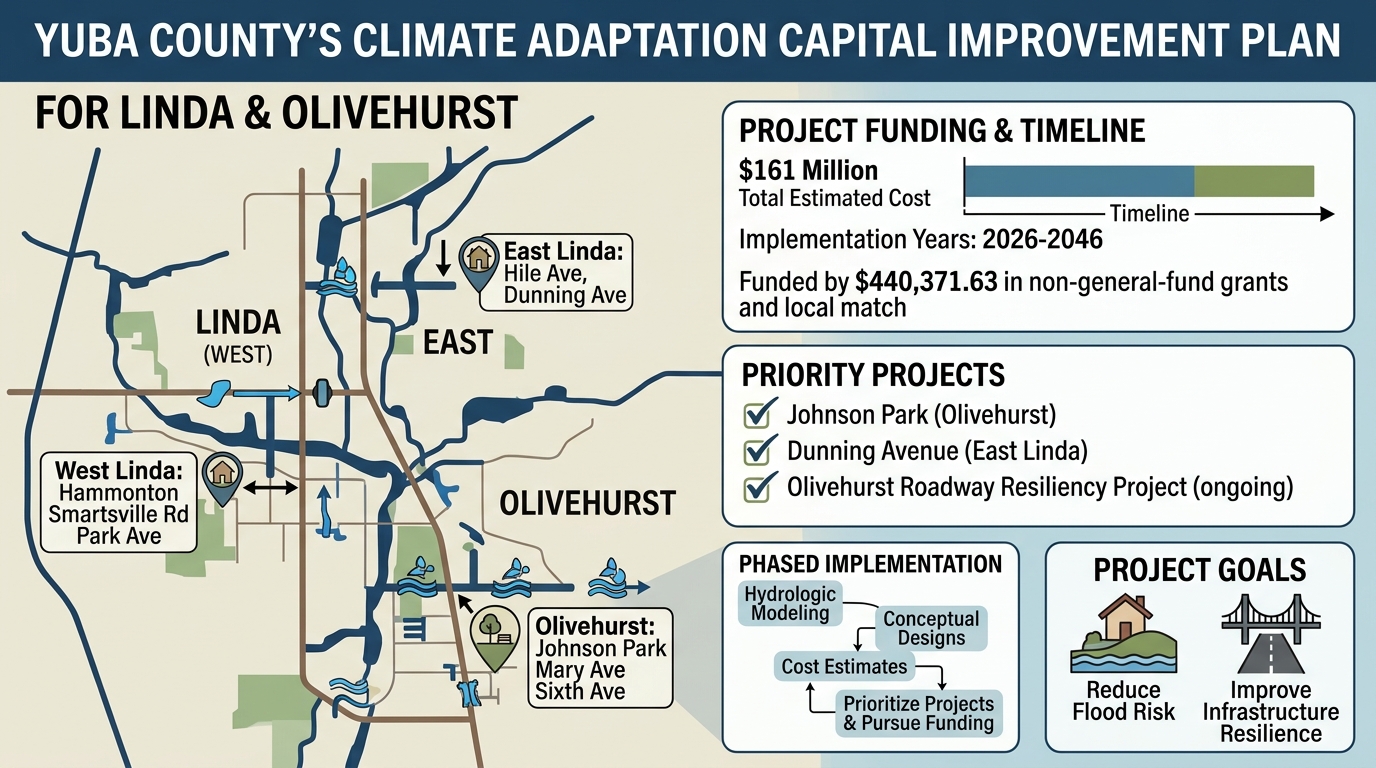
Supervisors were set to consider a climate adaptation capital improvement plan for flood-prone areas in East Linda, West Linda and Olivehurst.

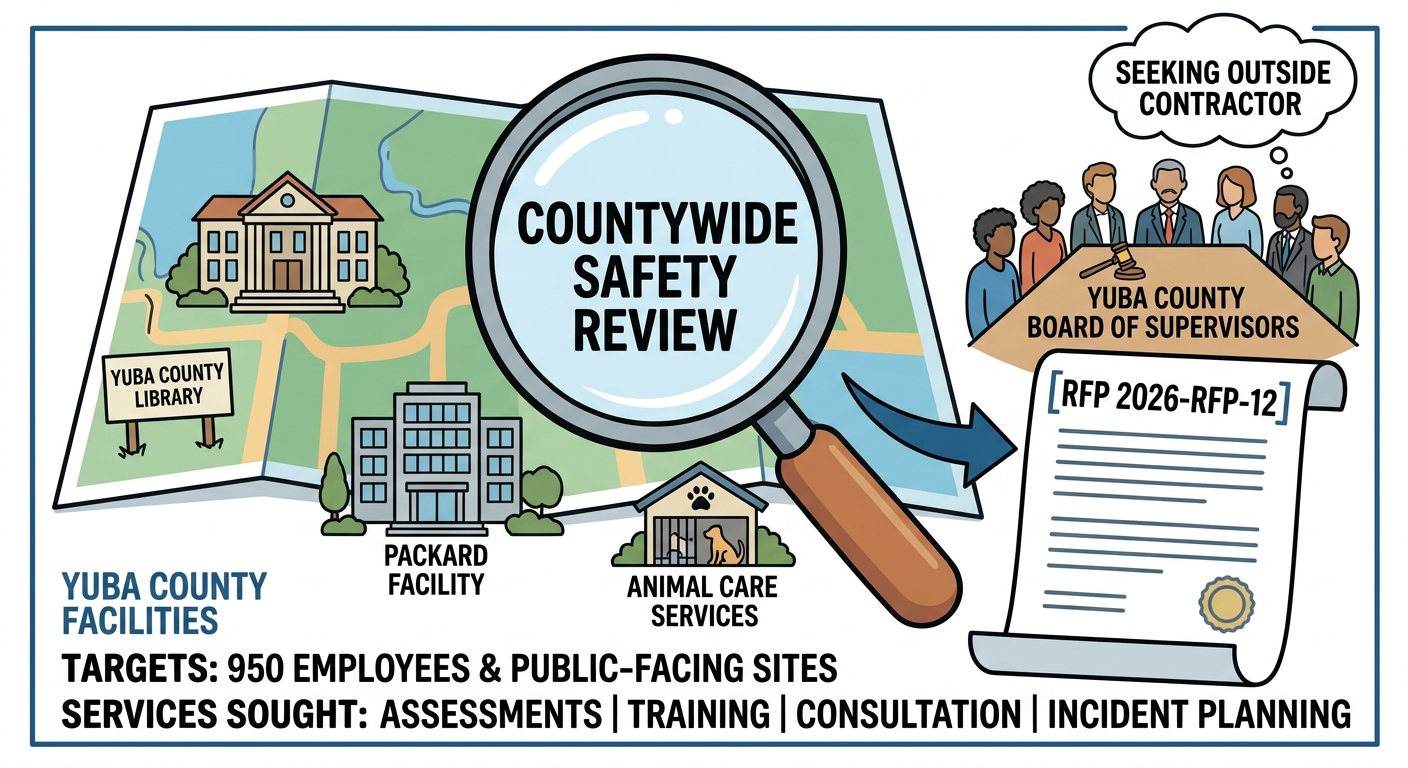
Supervisors are set to consider releasing an RFP for safety reviews, staff training and incident-response planning at county sites.

Commissioners want staff to trim the draft mobile food and sidewalk vendor rules and use Indio’s ordinance as a model, while staff says the city lacks a designated code enforcement officer.

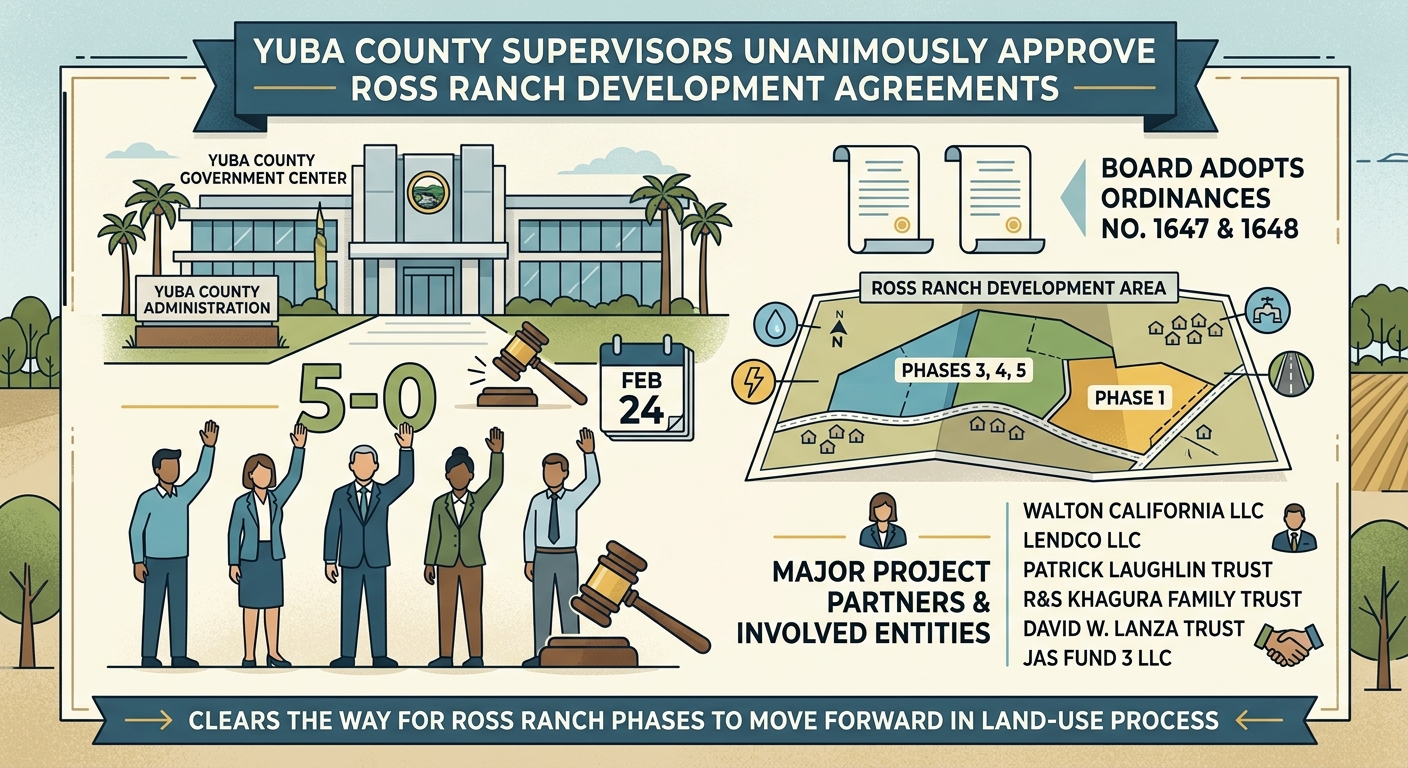
Supervisors unanimously adopted ordinances clearing the way for Ross Ranch Phase 3-5 and Phase 1 to move forward.