
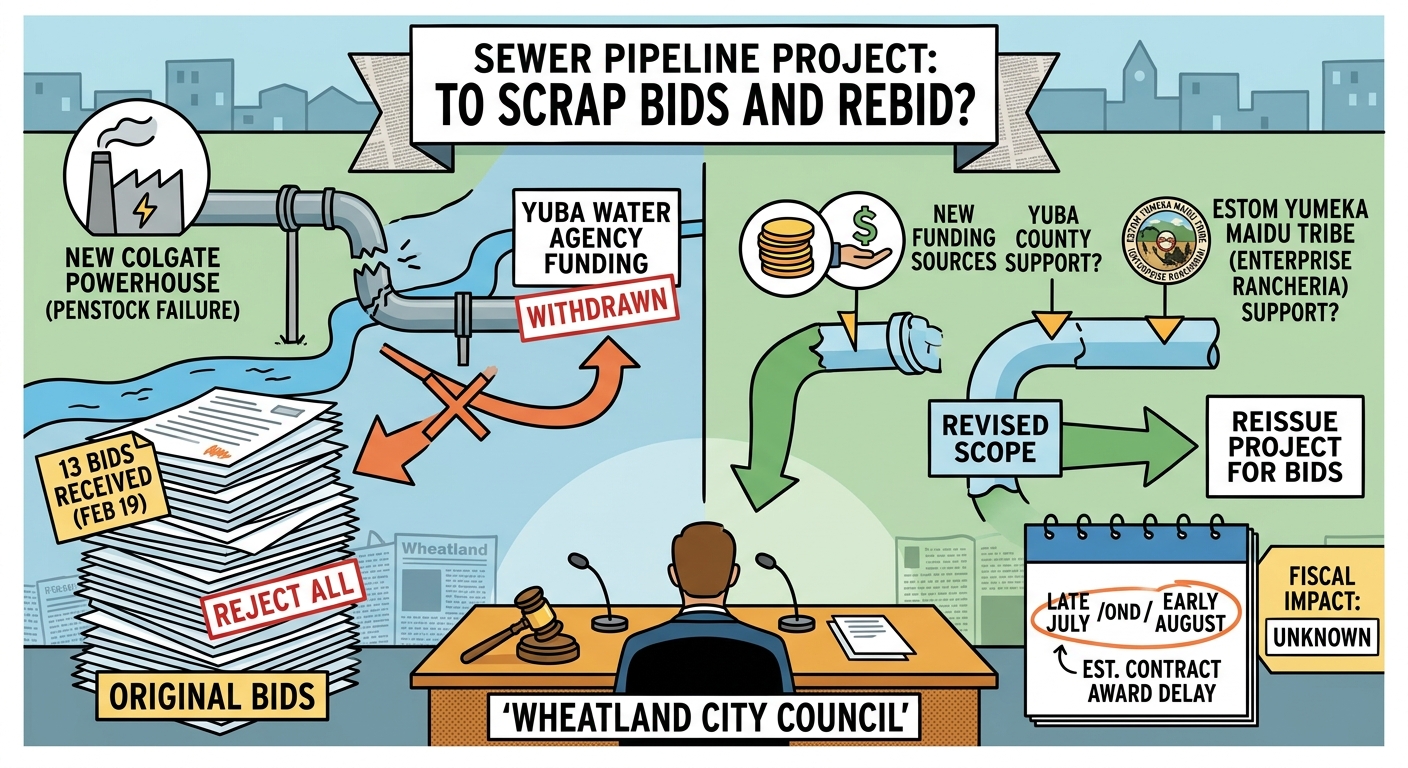
Wheatland council to consider scrapping sewer pipeline bids and rebidding project
City staff says the project needs an altered scope after funding changes tied to Yuba Water Agency’s withdrawal.
The Sidekick3 months ago
Yuba-Sutter
City staff says the project needs an altered scope after funding changes tied to Yuba Water Agency’s withdrawal.
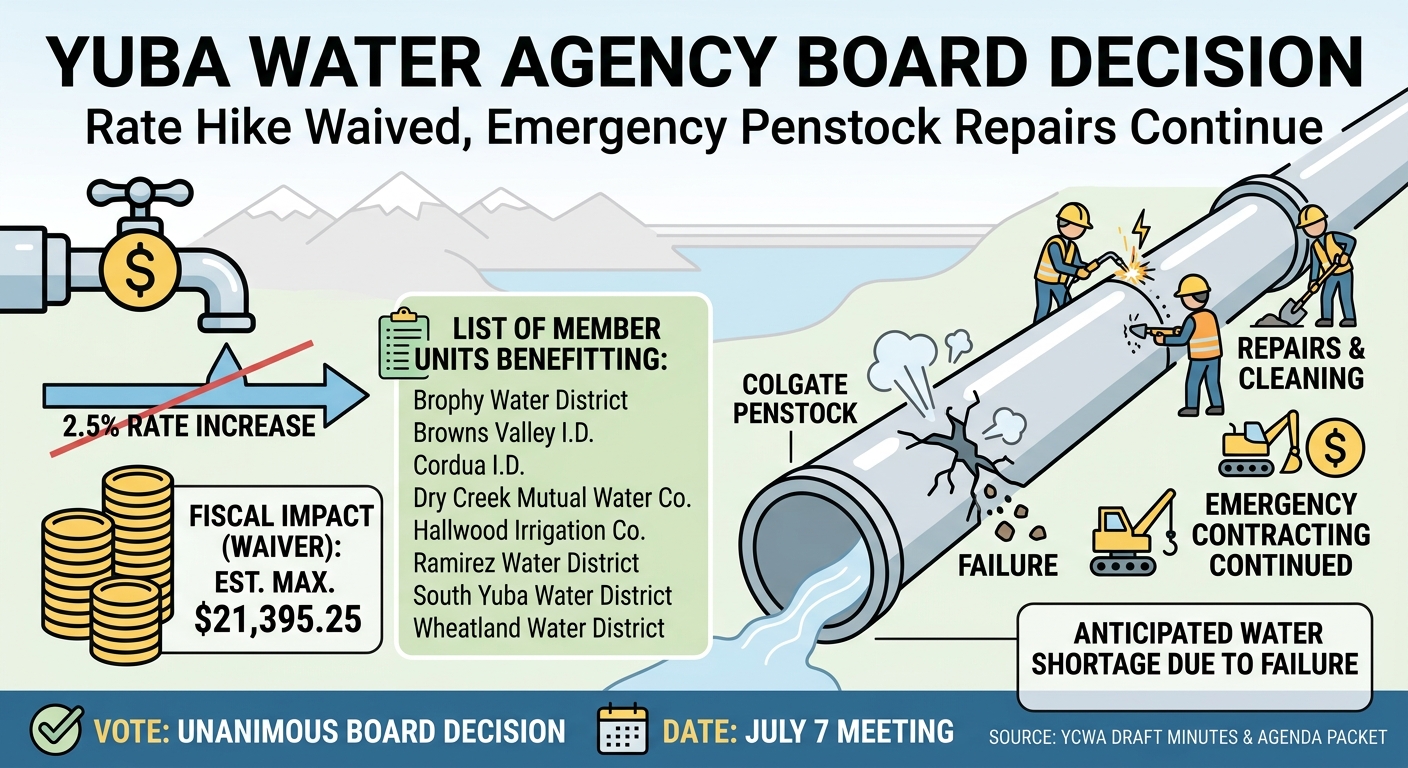
The board unanimously waived the annual 2.5% surface-water increase for member units at the same July 7 meeting where it extended emergency contracting for Colgate Penstock repairs.
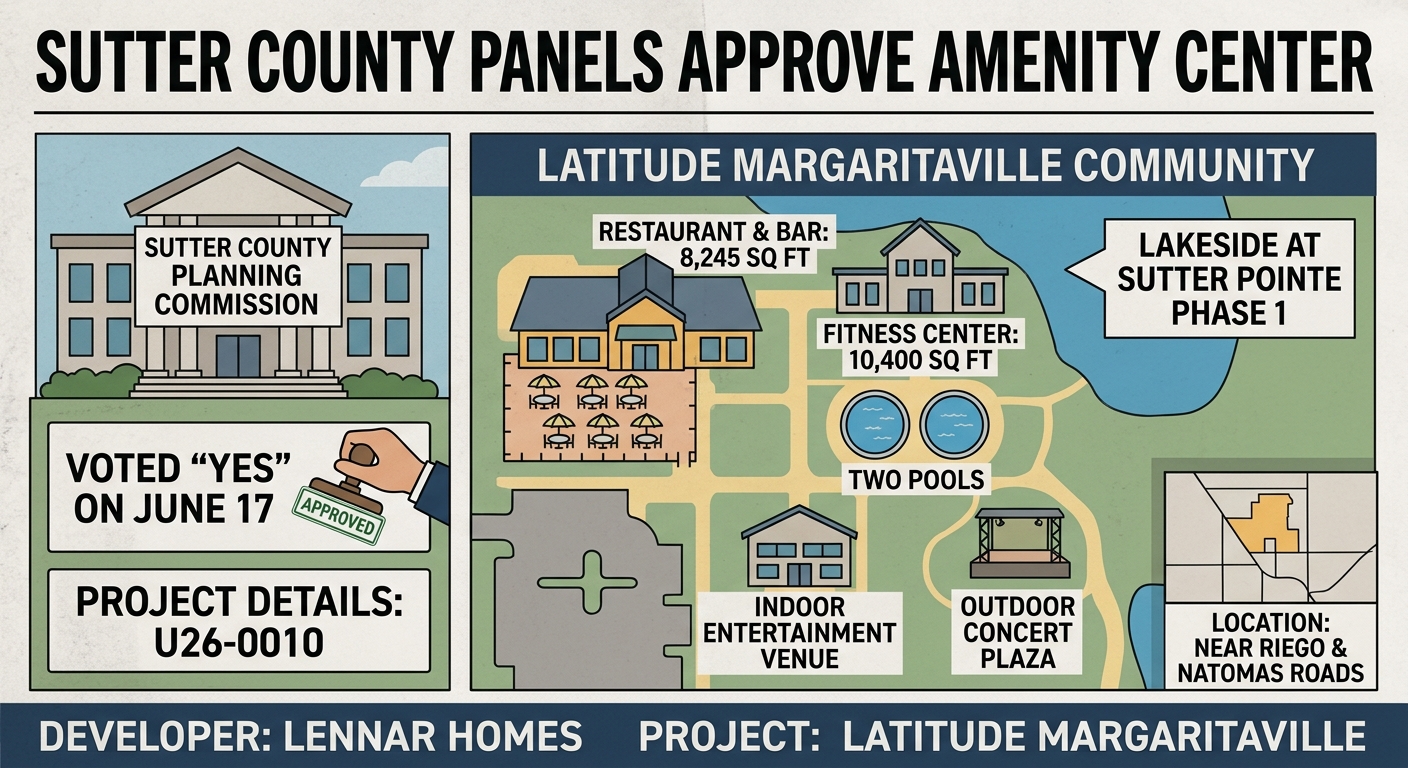
The June 17 approval clears the way for a restaurant-bar, fitness center, pools and event space at Lakeside at Sutter Pointe Phase 1.
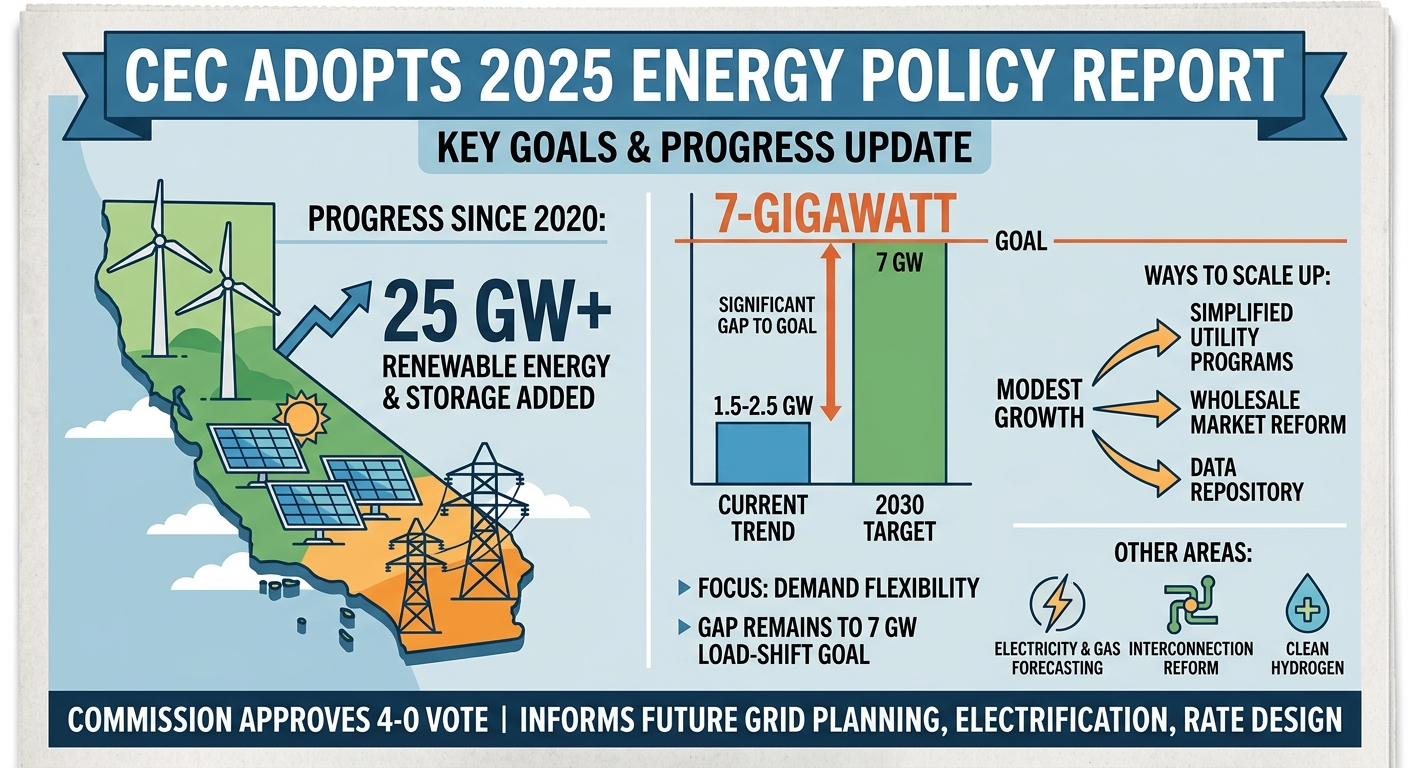
Staff told commissioners California is still well short of its 2030 demand-flexibility target as the agency approved its latest Integrated Energy Policy Report.
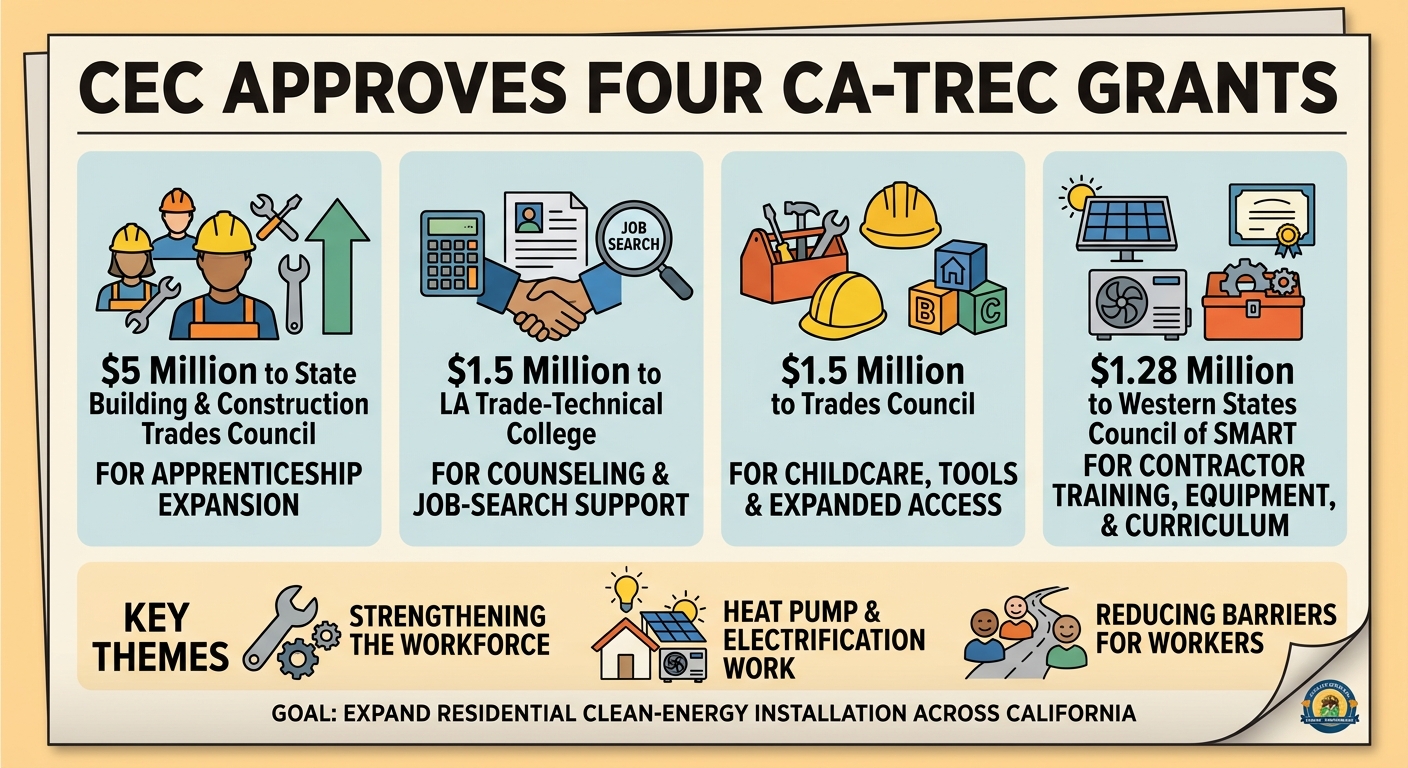
The grants will fund apprenticeship support, student counseling and contractor training tied to heat pumps and other residential electrification work.

Project SIGNAL will study short-term forecasting of rooftop solar, batteries and EV charging, with staff saying the work could improve grid reliability and ratepayer savings.
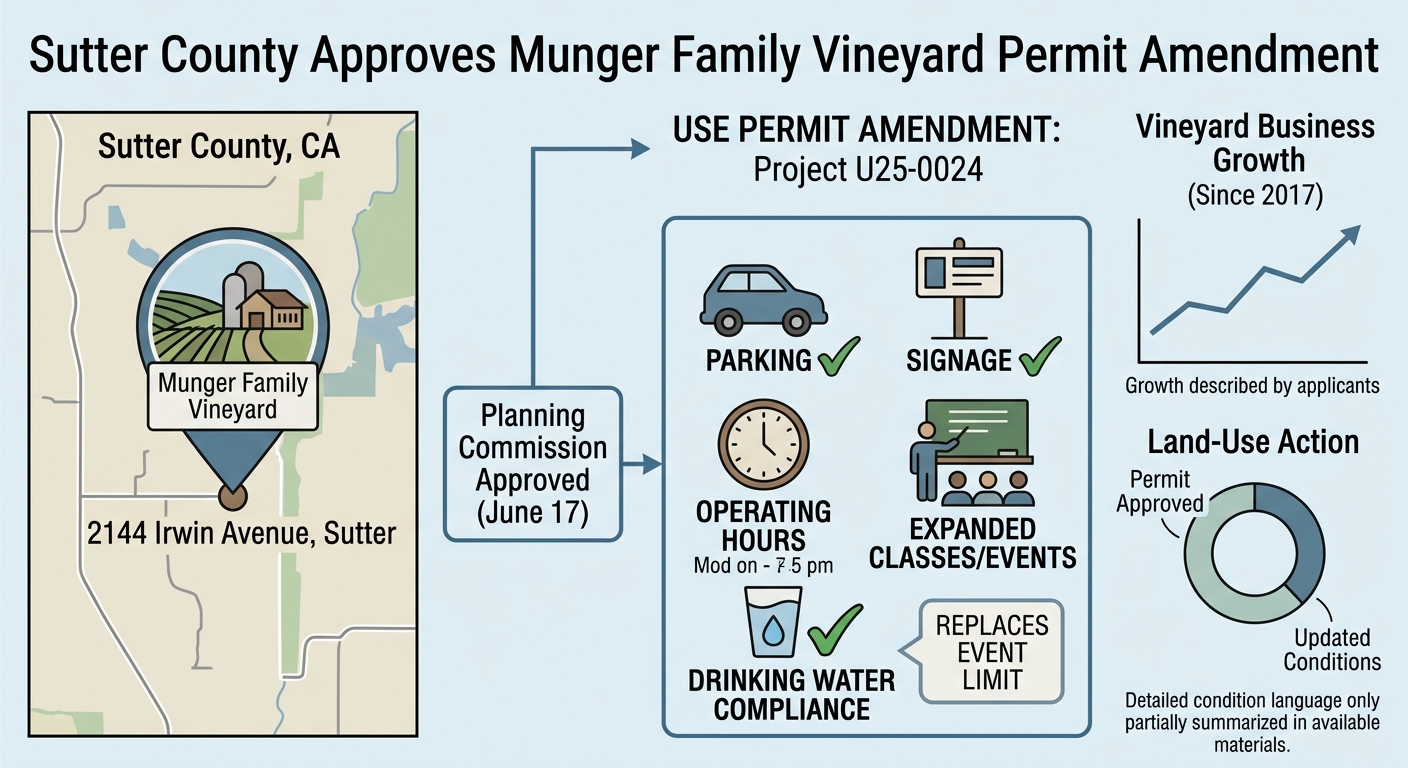
The Planning Commission signed off on revised conditions for the Sutter winery, allowing expanded events and classes and changes to parking, signage and operating-hour rules.
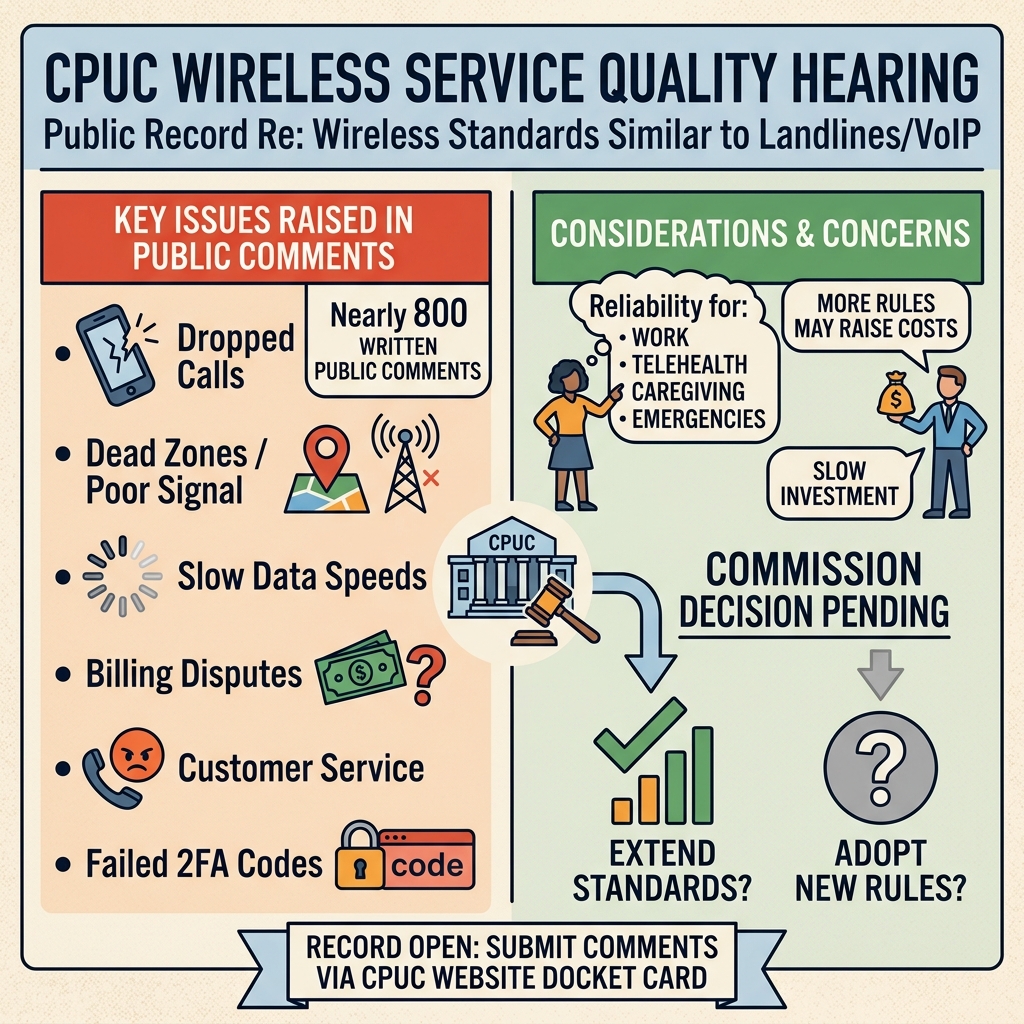
At a July 15 hearing, commissioners said they will review comments from more than 800 people before deciding whether to extend existing phone-service standards to wireless carriers or adopt new rules.
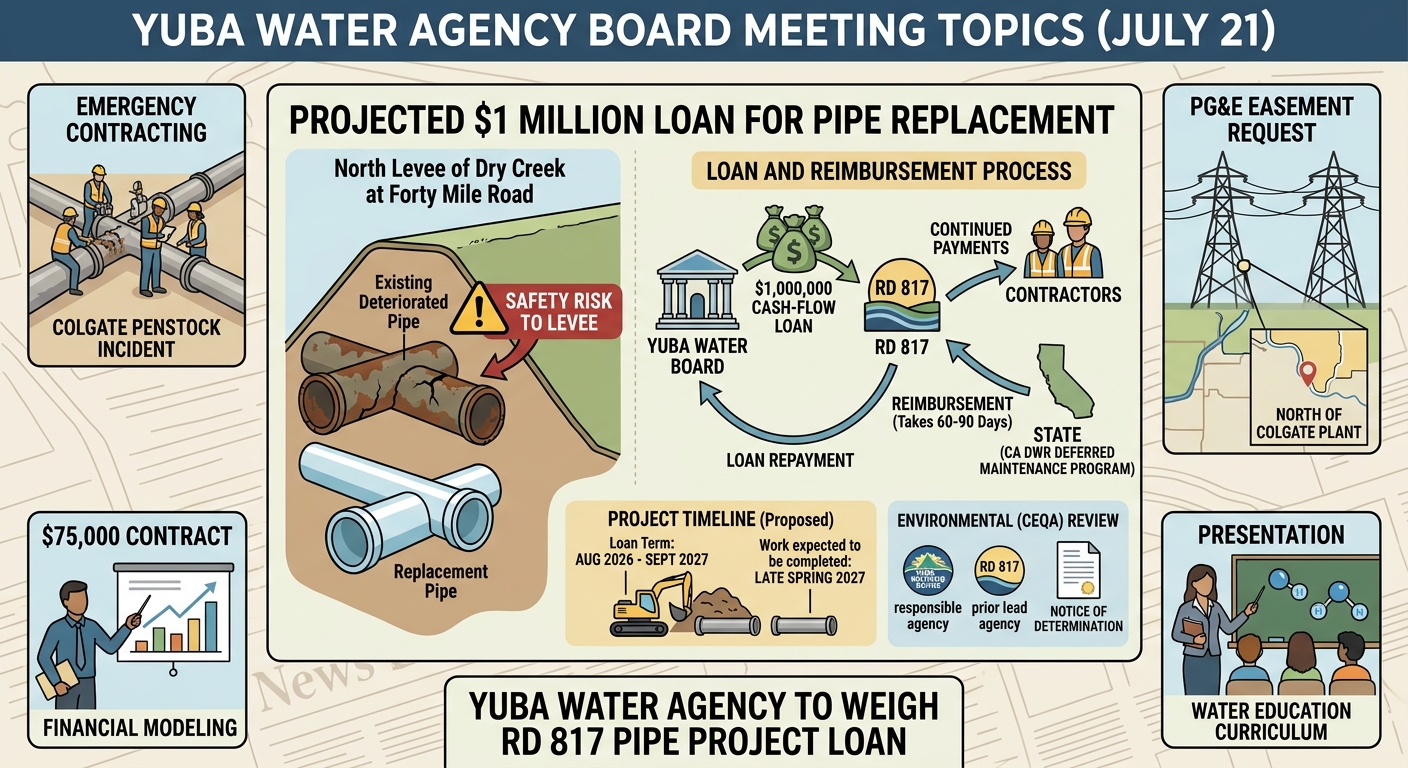
The July 21 agenda would let Yuba Water bridge reimbursement delays on a DWR-funded drainage pipe replacement near Dry Creek.
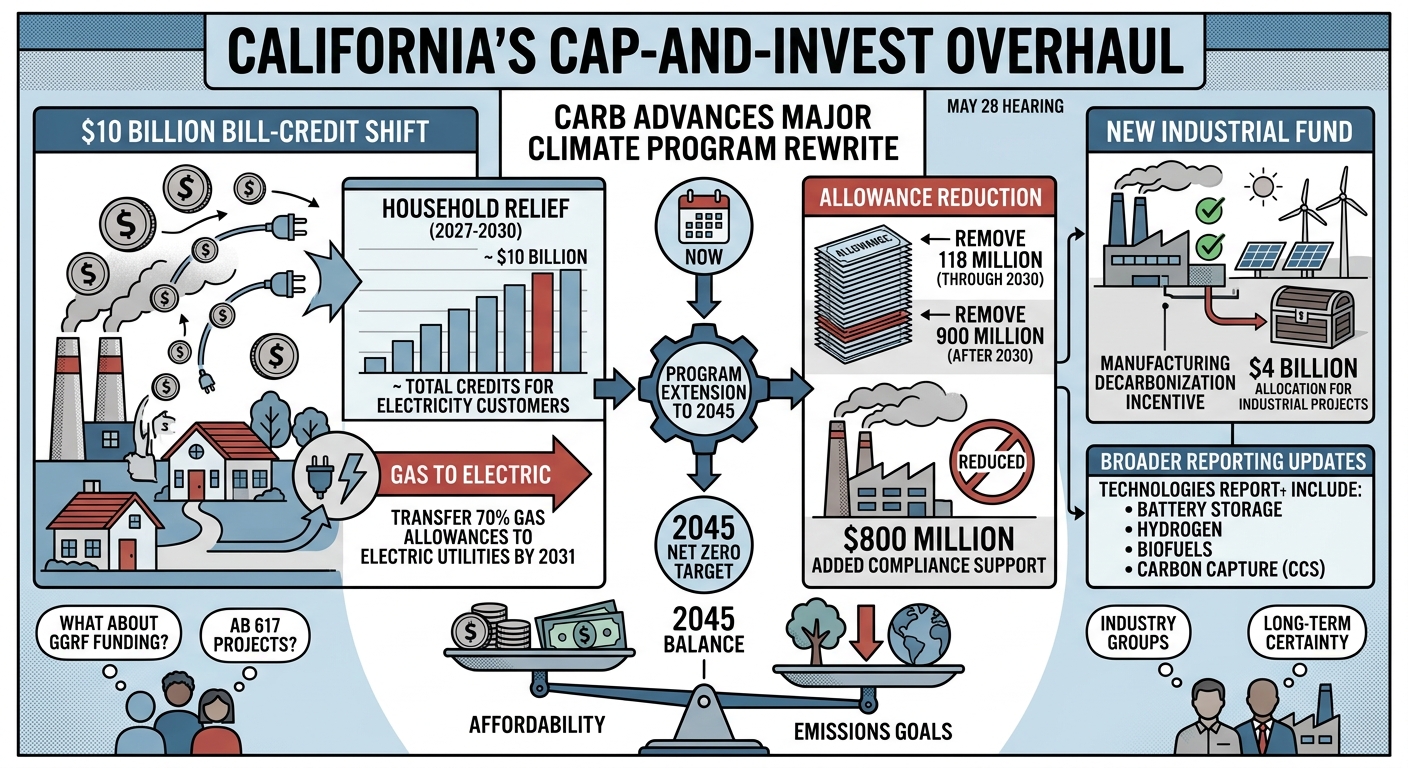
At a May 28 hearing, staff outlined a rewrite of California’s cap-and-invest program that would steer more allowance value to electricity bill relief, create a $4 billion industrial incentive fund and tighten long-term allowance budgets.
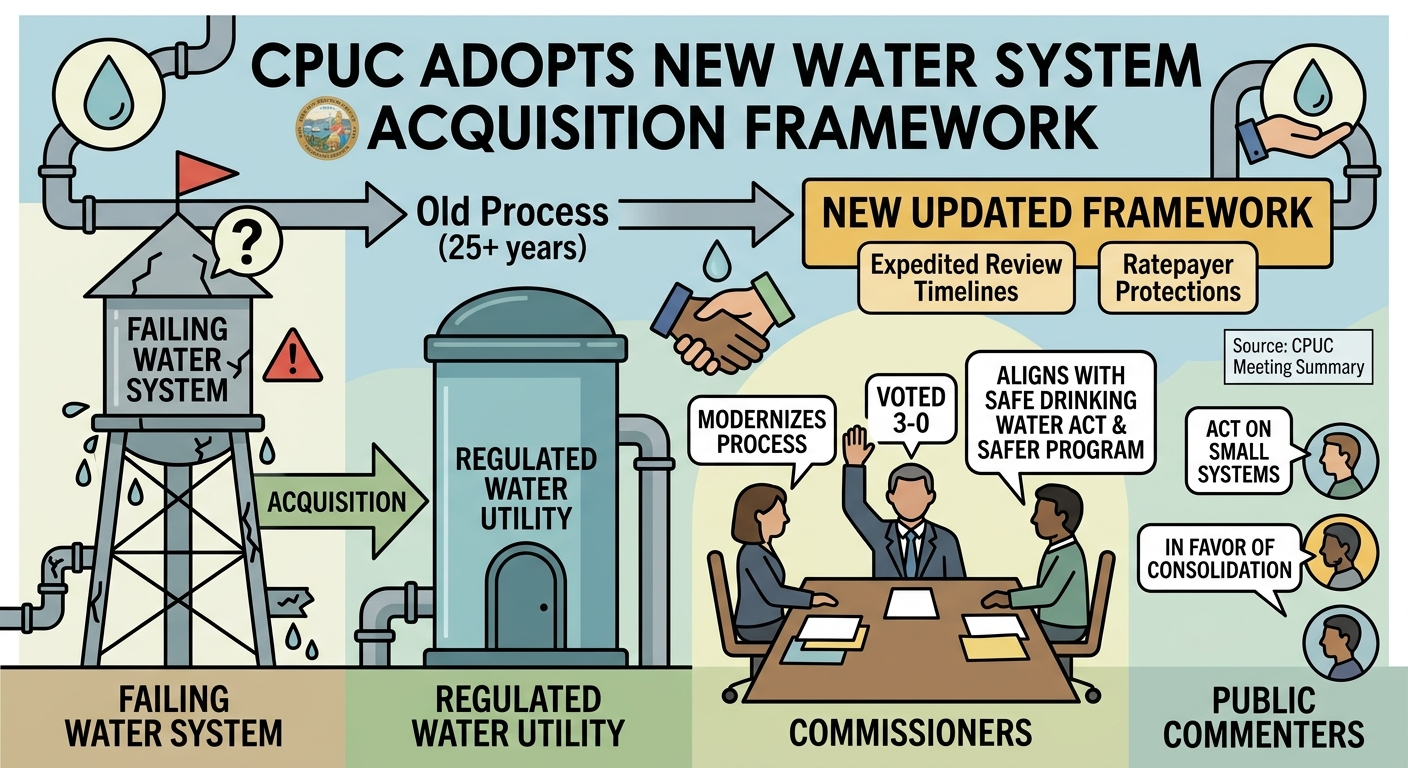
The 3-0 vote in Rulemaking 22-04-003 replaces an older acquisition process with expedited review timelines and ratepayer protections for failing, at-risk and potentially at-risk water utilities.
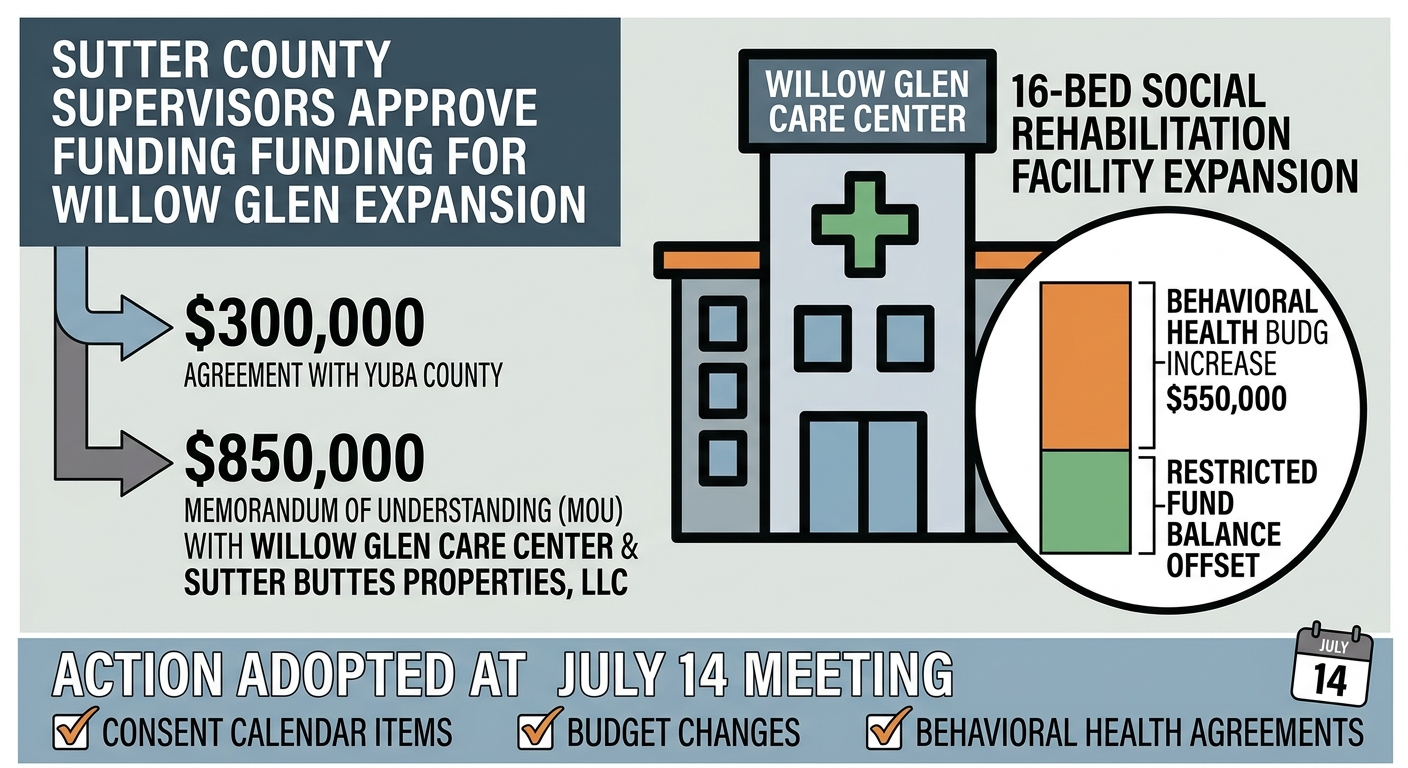
The board signed off on a $300,000 Yuba County match and an MOU worth up to $850,000 tied to the Willow Glen Care Center expansion, along with a $550,000 behavioral health budget increase backed by restricted fund balance.
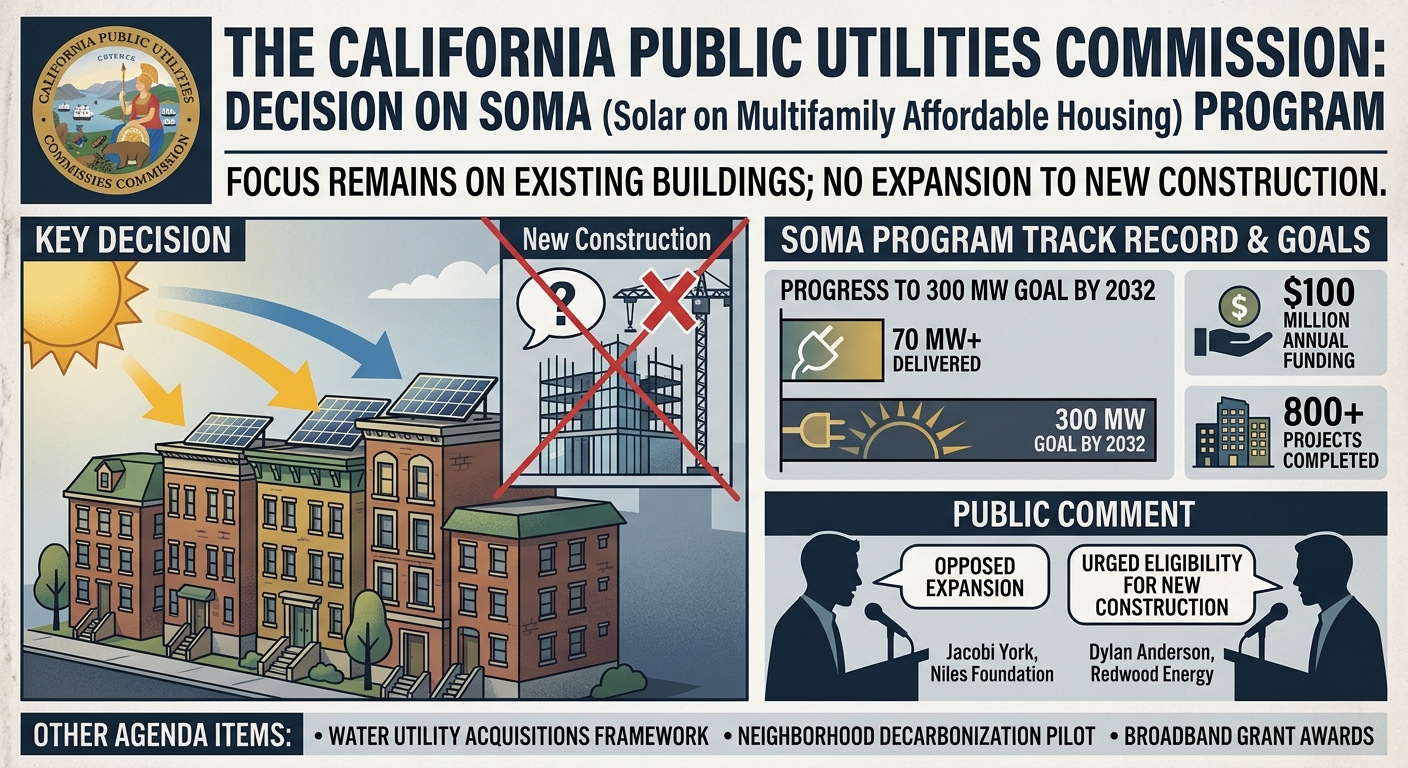
Commissioners updated the Solar on Multifamily Affordable Housing program but did not open it to new construction or master-metered properties.
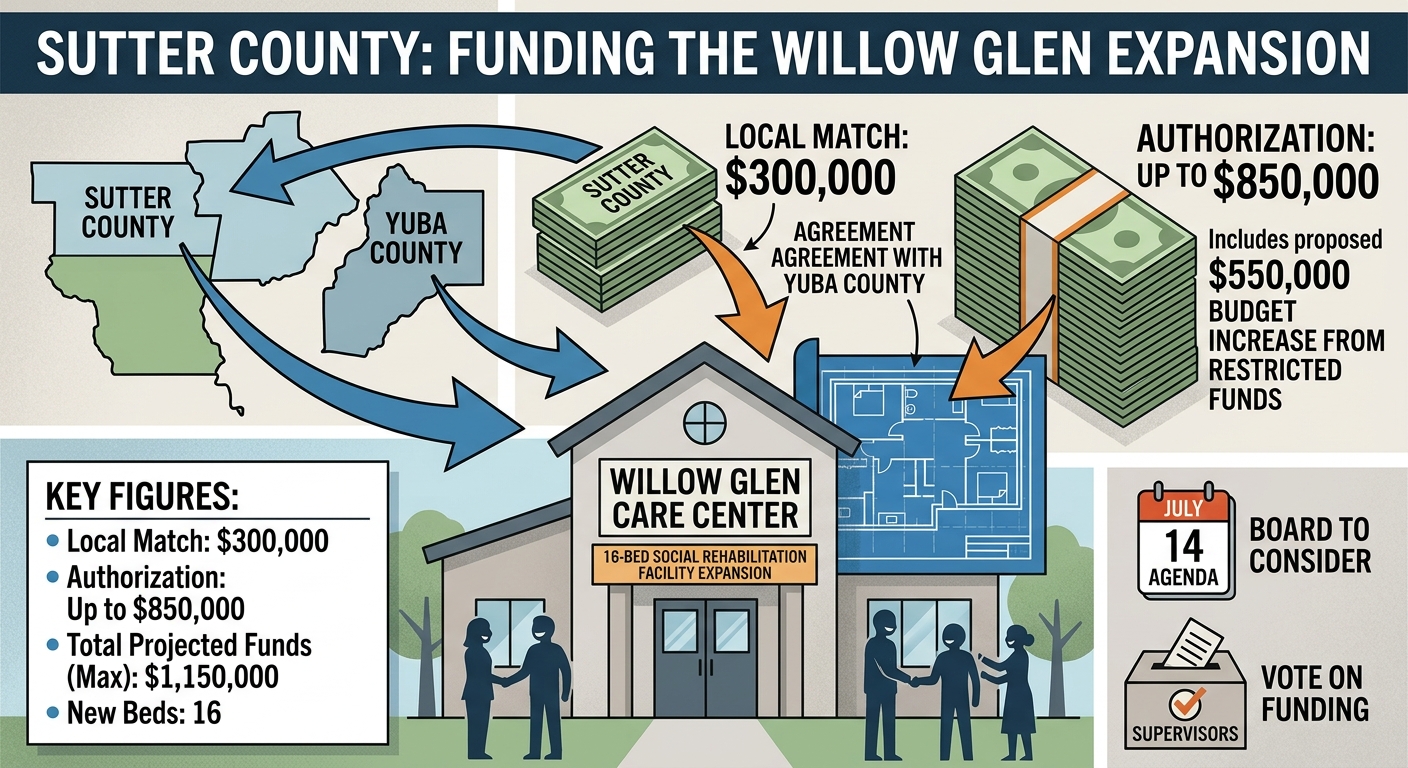
Supervisors are set to consider two Willow Glen Care Center funding items tied to the same 16-bed social rehabilitation facility project, including a local match agreement and a budget increase backed by restricted fund balances.
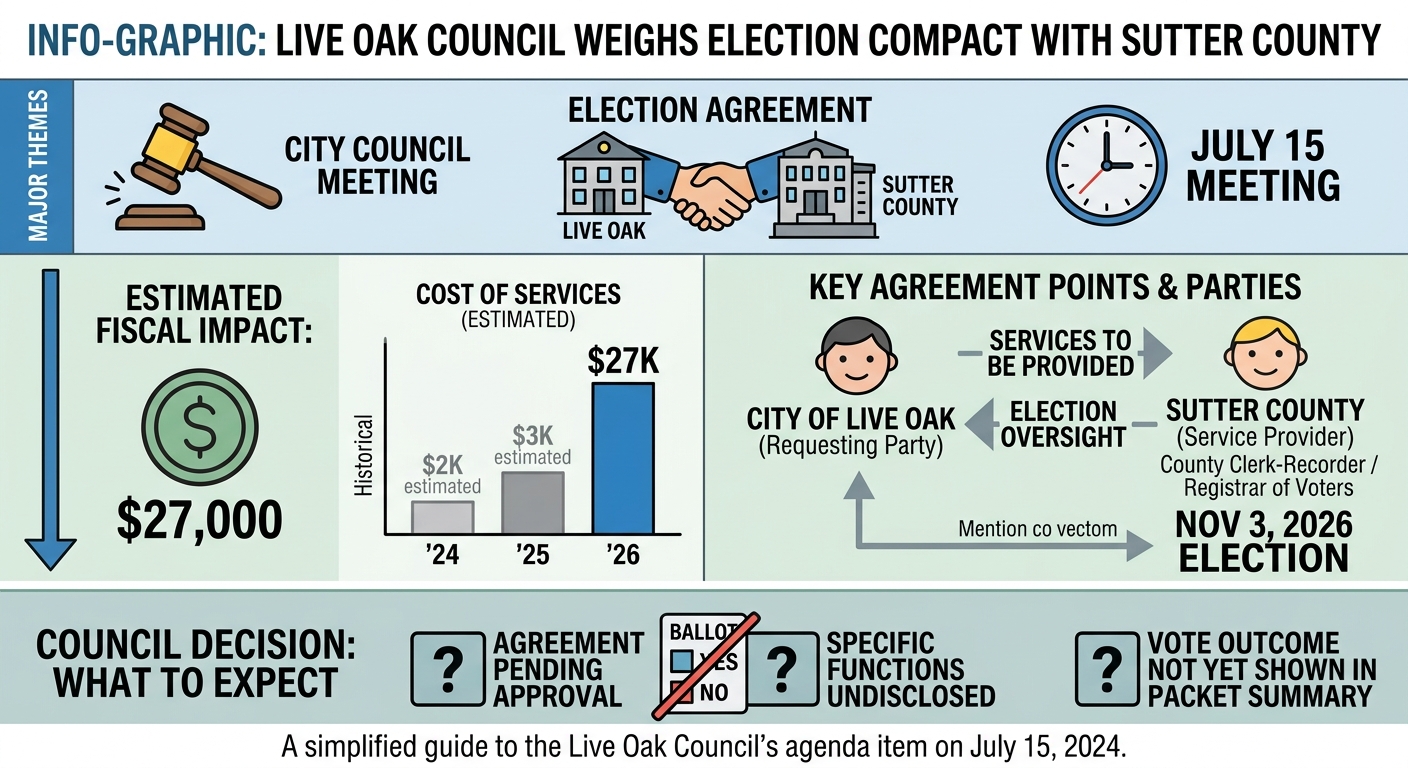
The July 15 agenda includes an agreement that would let Sutter County run Live Oak’s municipal election alongside the statewide general election, with staff estimating a $27,000 cost.
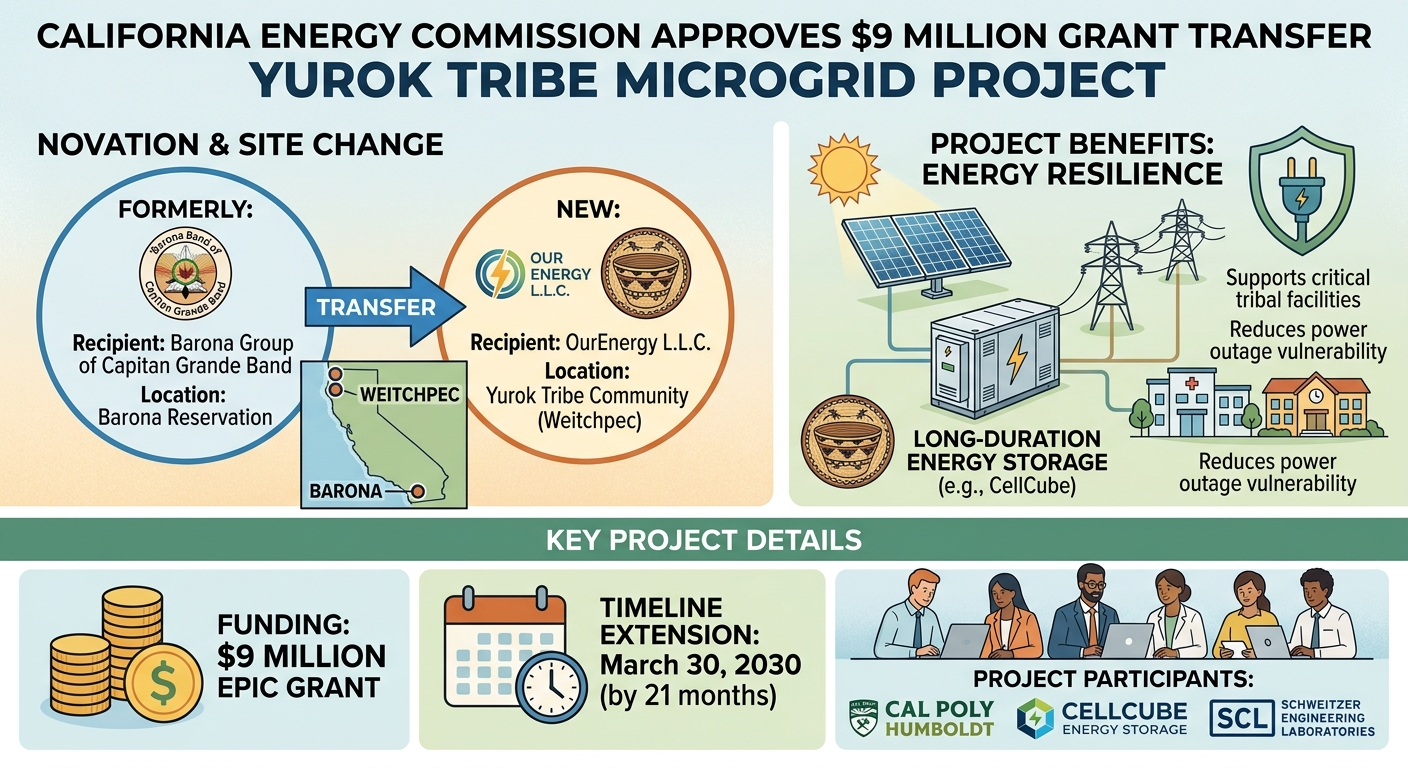
The California Energy Commission approved a grant amendment that transfers an EPIC-funded tribal microgrid project from the Barona Group to OurEnergy L.L.C., shifts the site to Weitchpec and extends the term by 21 months.
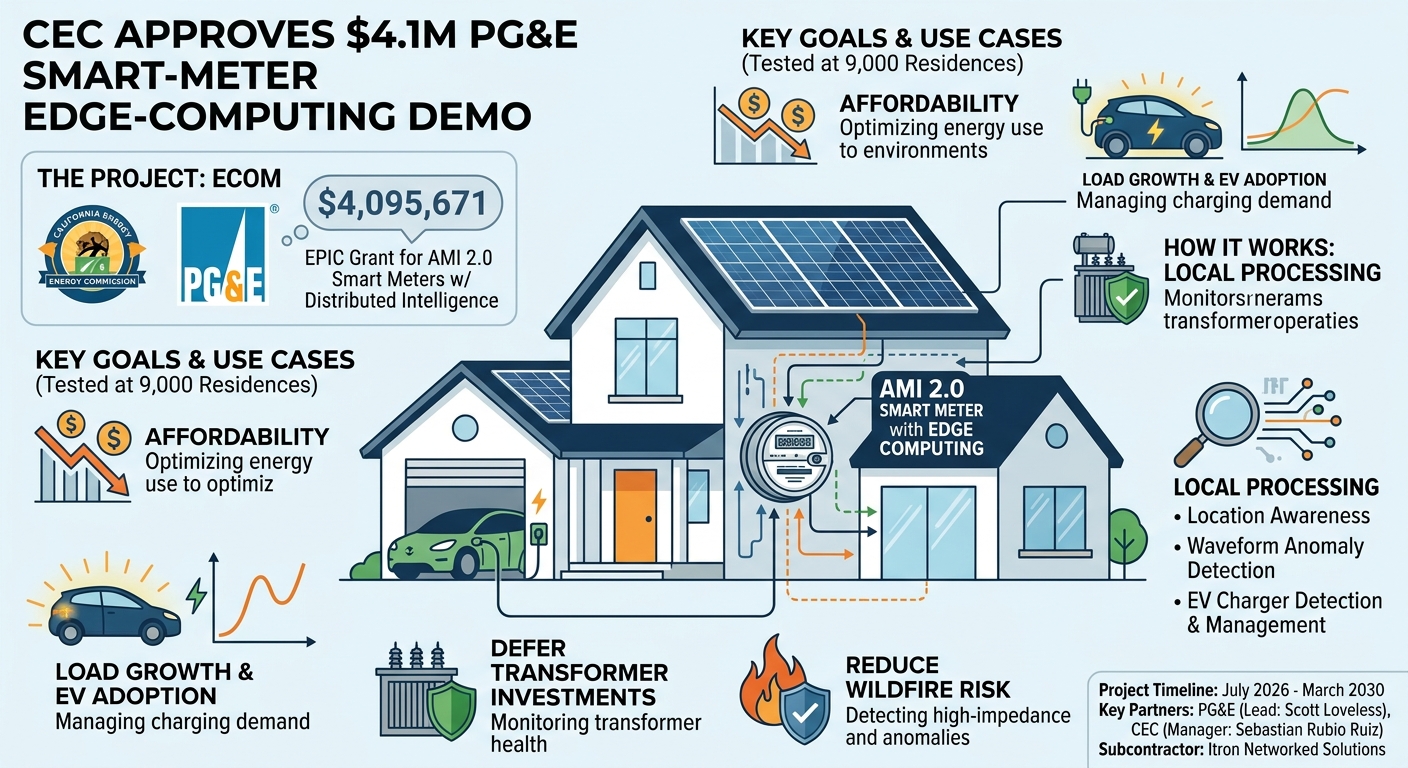
The July 8 vote backs a four-year EPIC project to test distributed-intelligence applications on 9,000 smart meters in PG&E territory.

The California Energy Commission approved the final 2025 IEPR at its July 8 business meeting and backed the action with a CEQA finding that adoption is not a project.
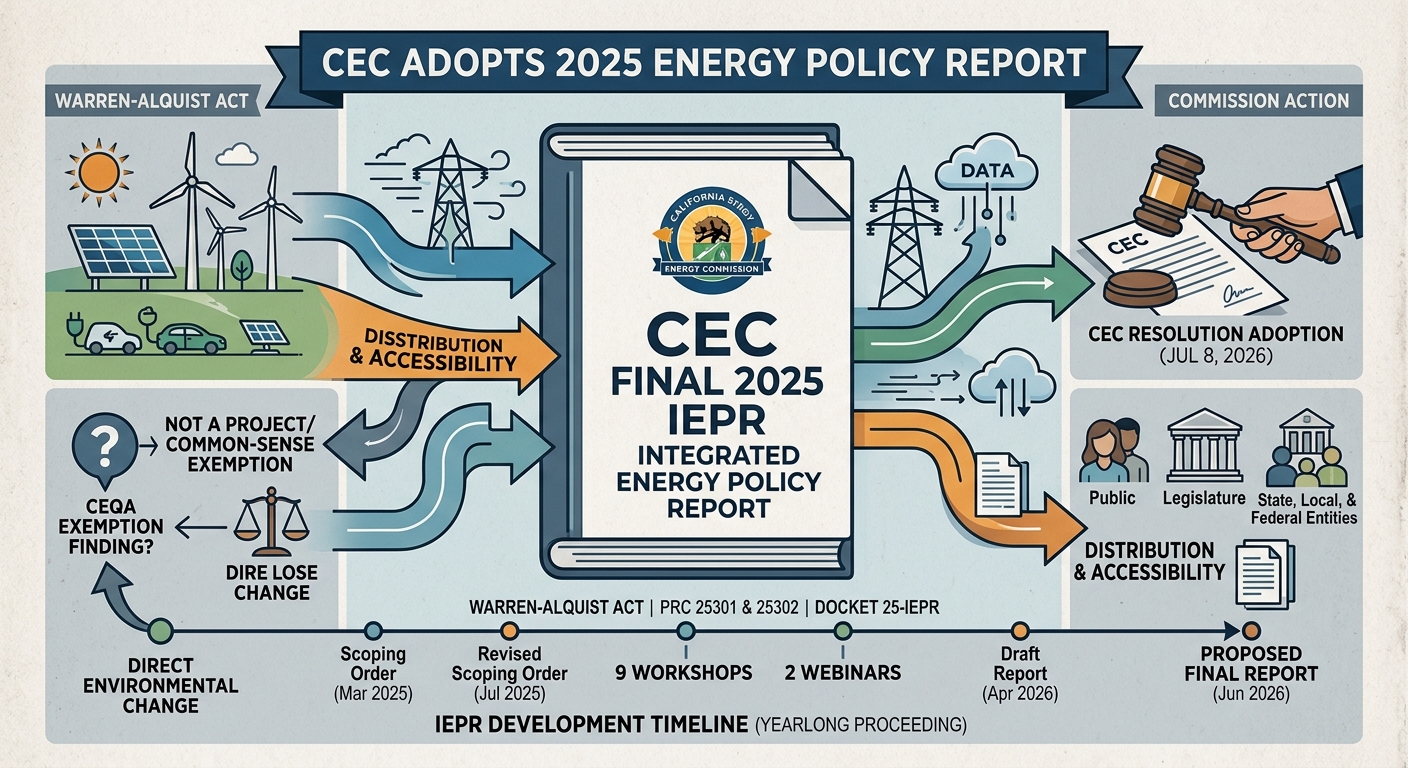
Backup materials for the July 8 business meeting show the commission poised to approve the final Integrated Energy Policy Report after workshops, webinars, a draft report and a proposed final version.
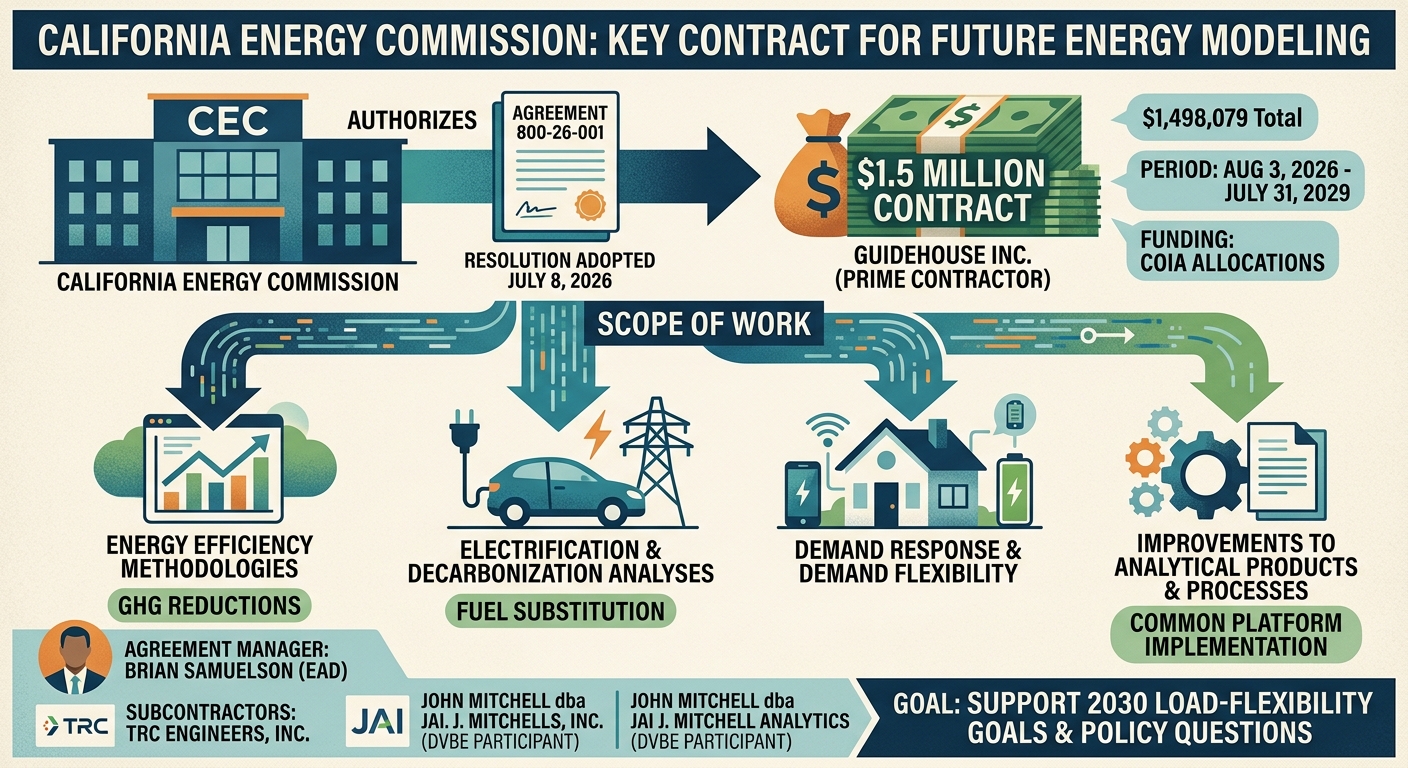
The multiyear agreement will support forecasting, electrification analysis, demand-flexibility tools and the commission’s Common Platform.
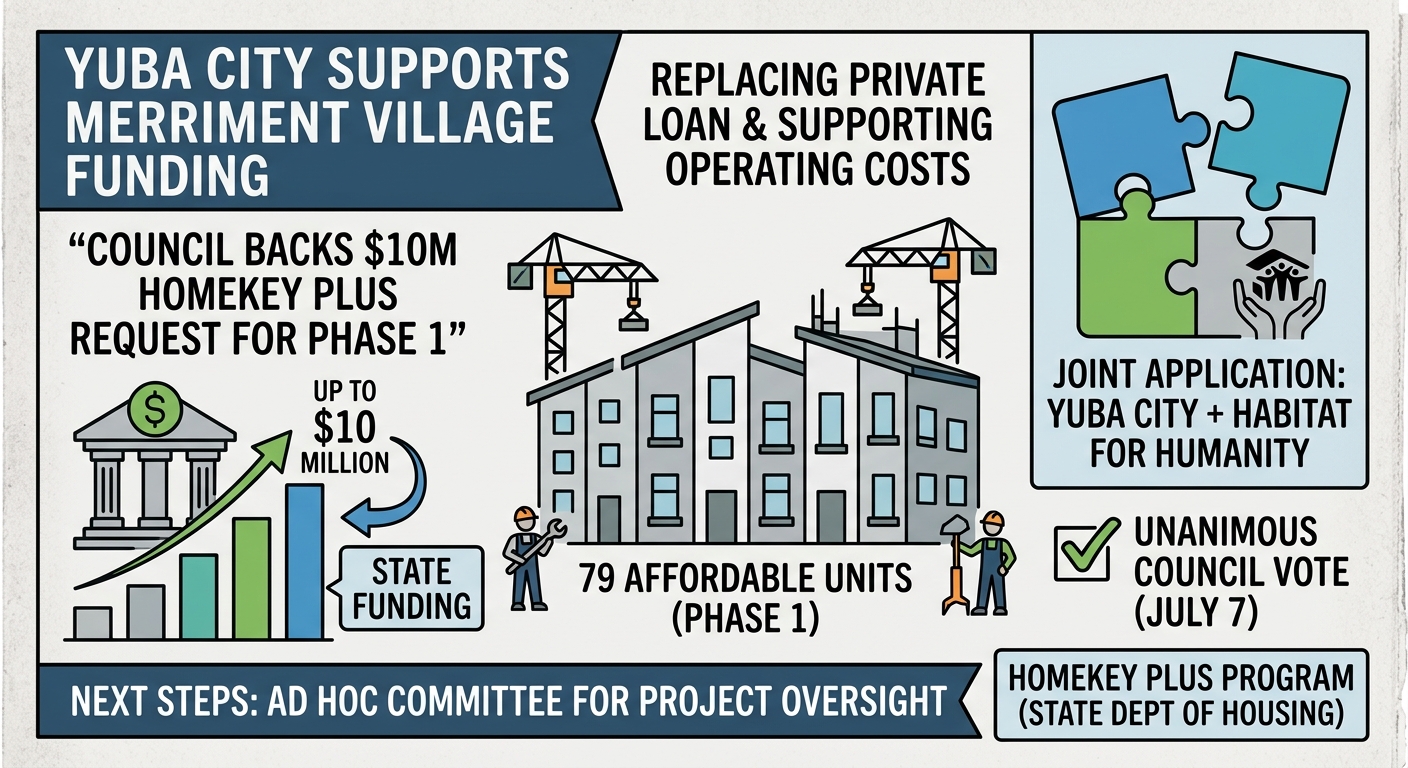
The council unanimously approved a joint application that staff said could help close a financing gap for the 79-unit project at 428 North Walton Avenue.
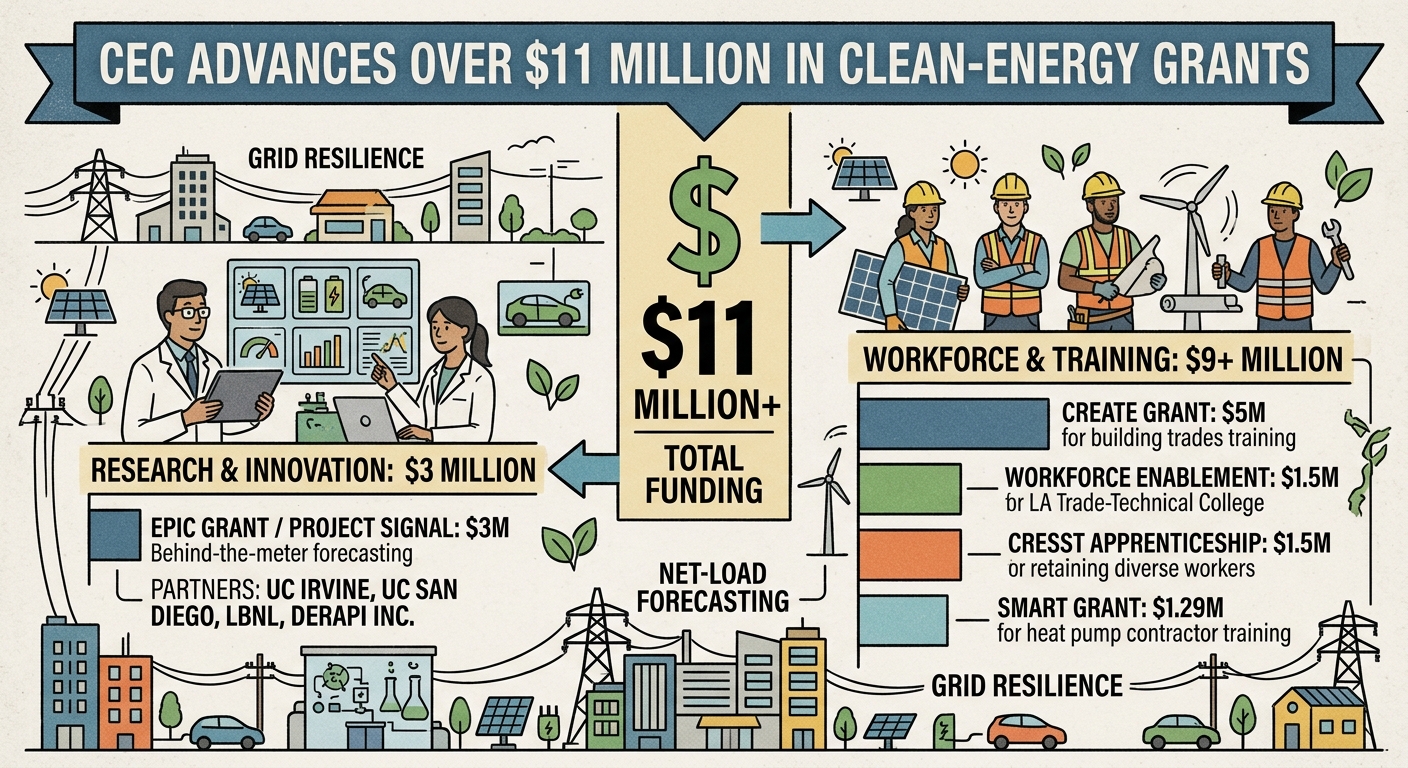
At its July 8 business meeting, the California Energy Commission approved four workforce-related awards and one EPIC research grant tied to electrification, apprenticeships and grid forecasting.
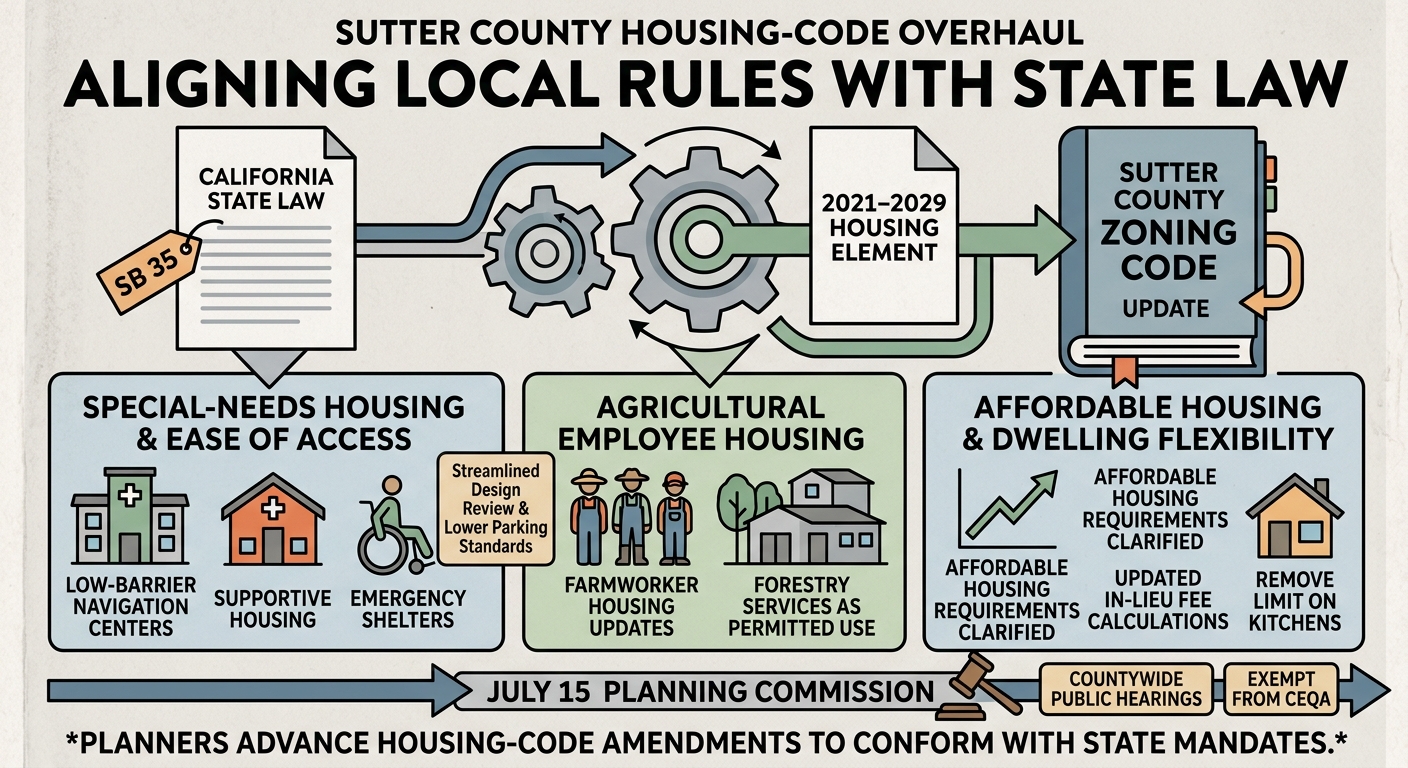
The Planning Commission agenda puts two countywide housing-code amendments before Sutter County commissioners, including changes for special-needs housing and broader zoning and housing code updates.
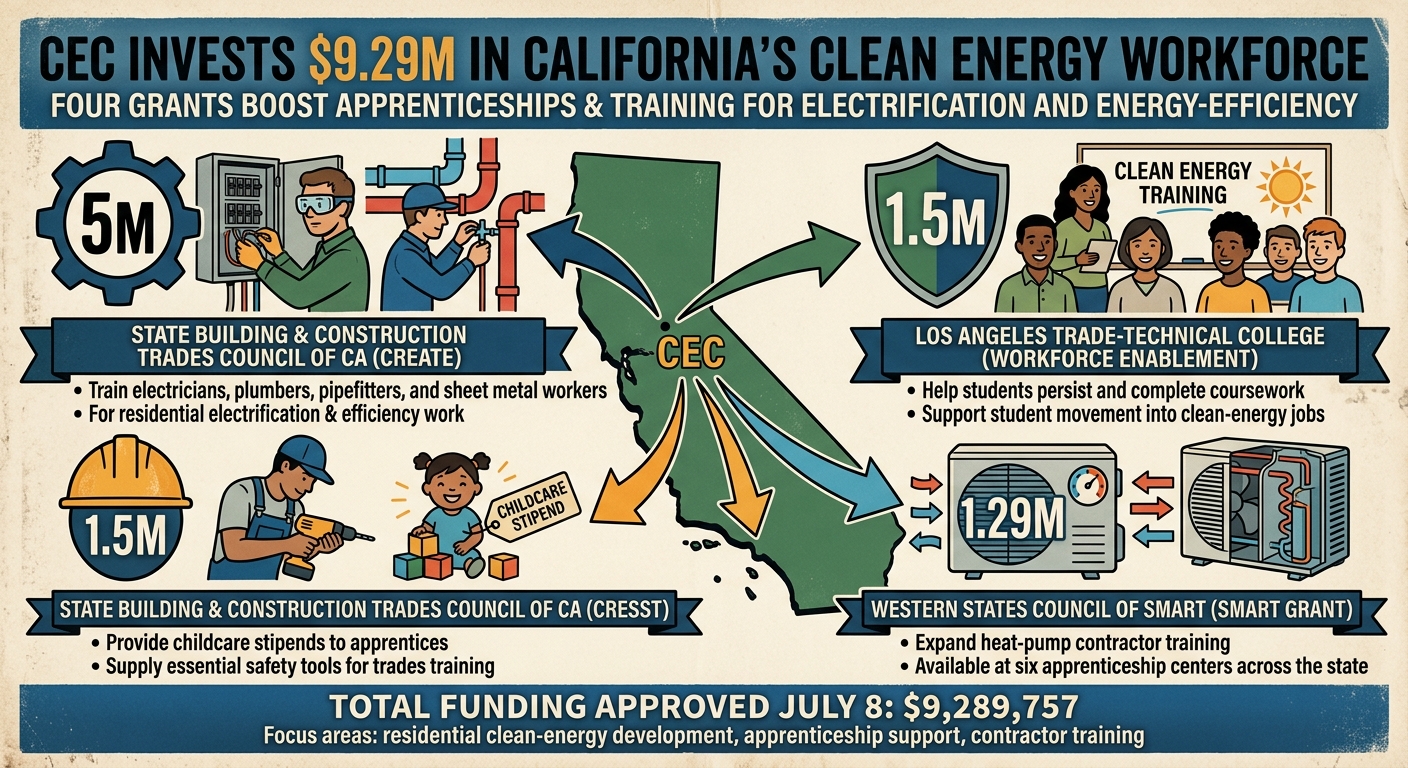
The California Energy Commission approved four grants tied to residential clean-energy training, apprenticeship support and contractor pipeline development.