Live Oak council adopts housing element update, sends plan to state housing agency
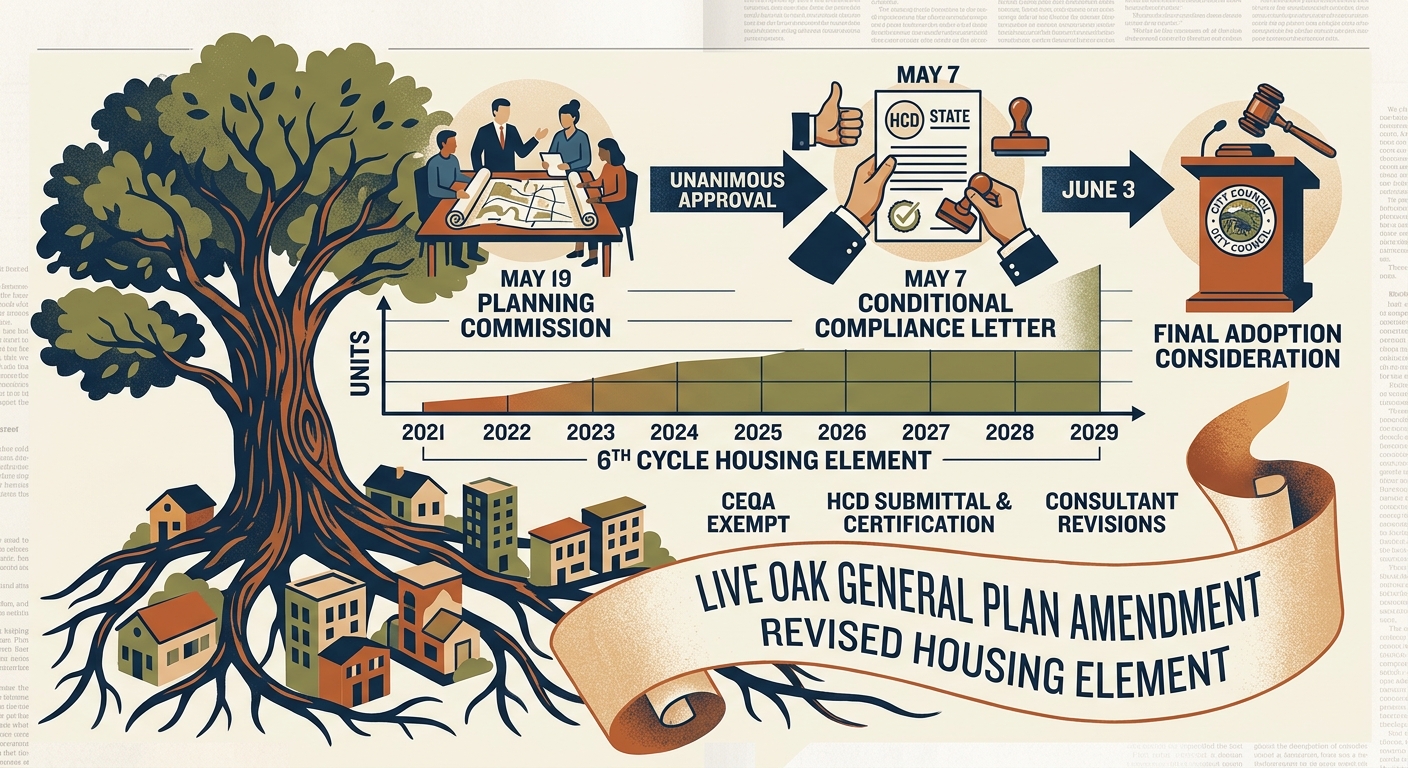
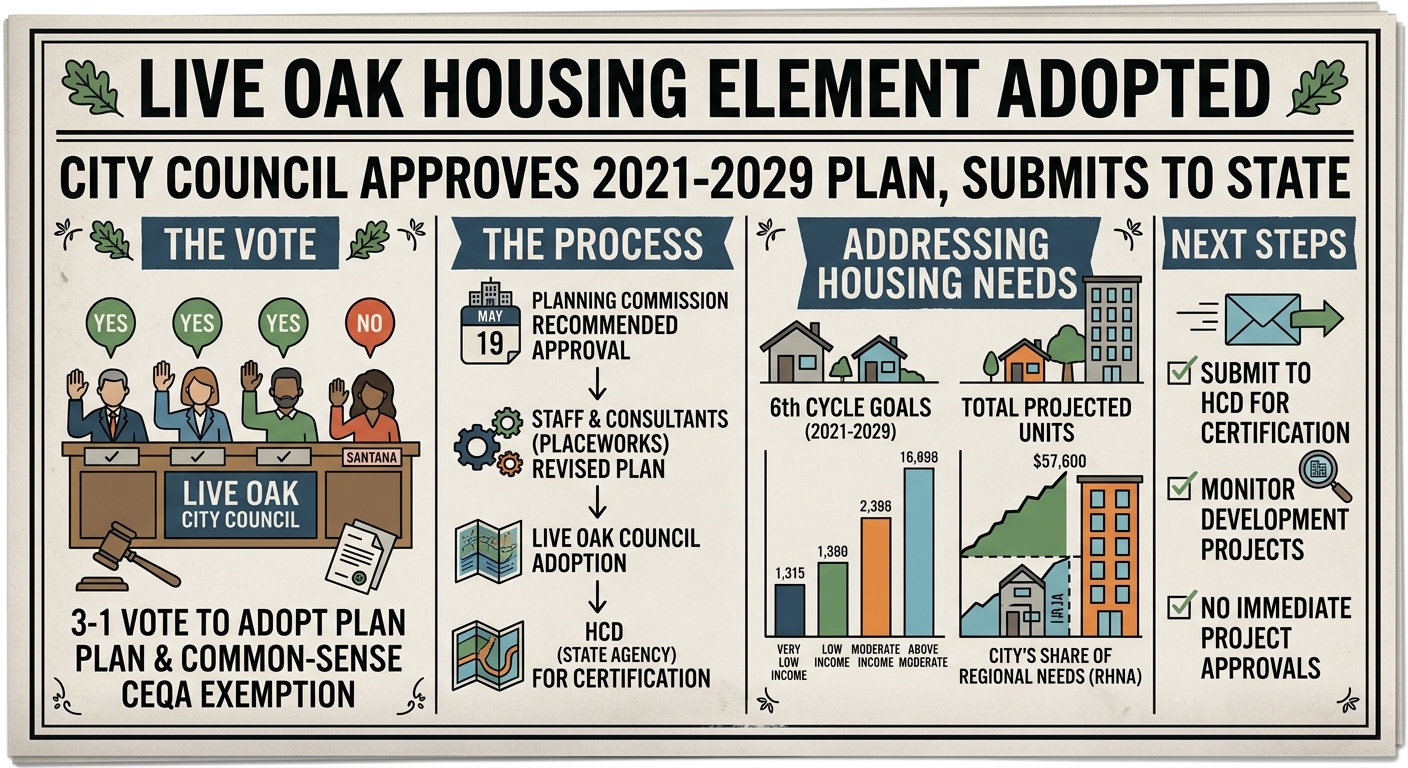
The 3-1 vote clears the city’s 2021-2029 housing plan for submission to the Department of Housing and Community Development after a state review letter.


The 3-1 vote clears the city’s 2021-2029 housing plan for submission to the Department of Housing and Community Development after a state review letter.

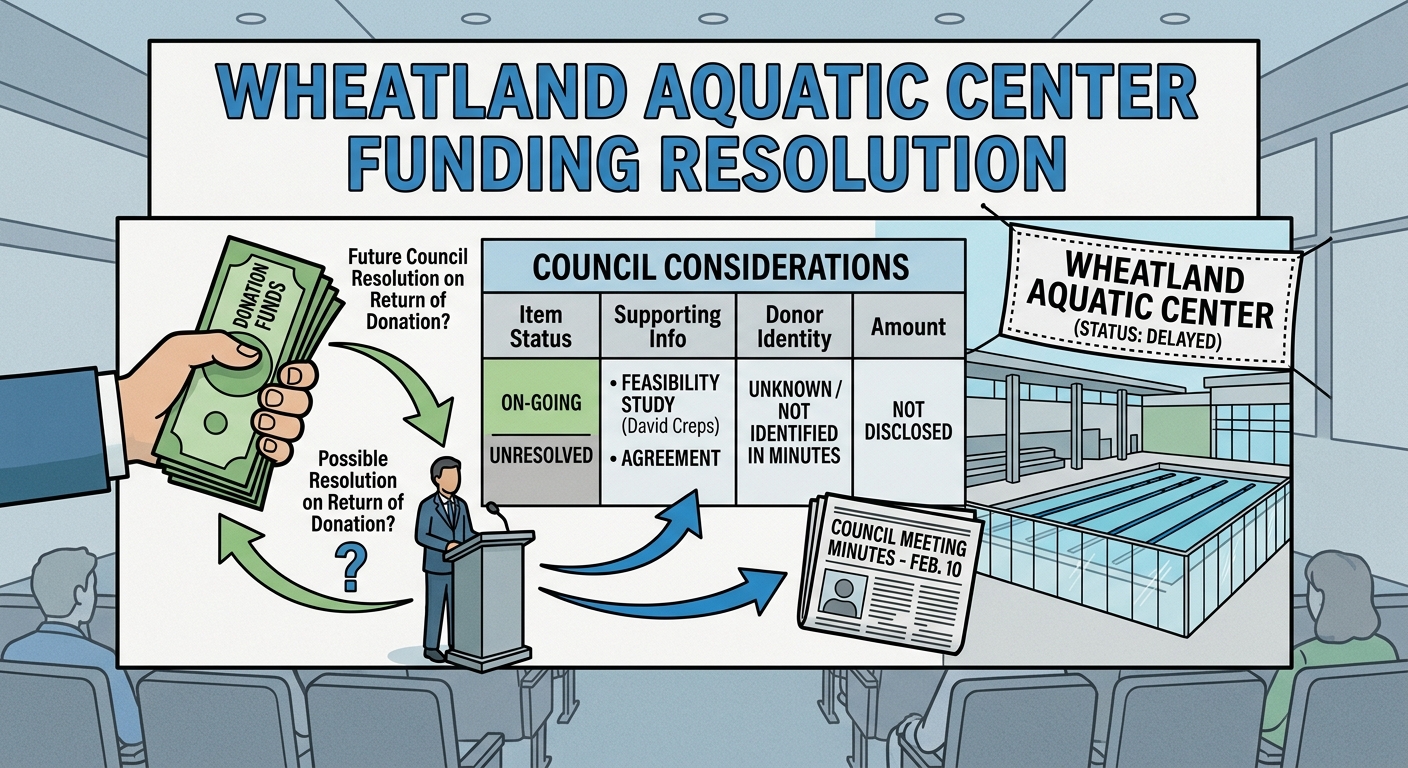
Council minutes say the aquatic center funding issue will come back on a future agenda, along with a resolution addressing return of donation funds.

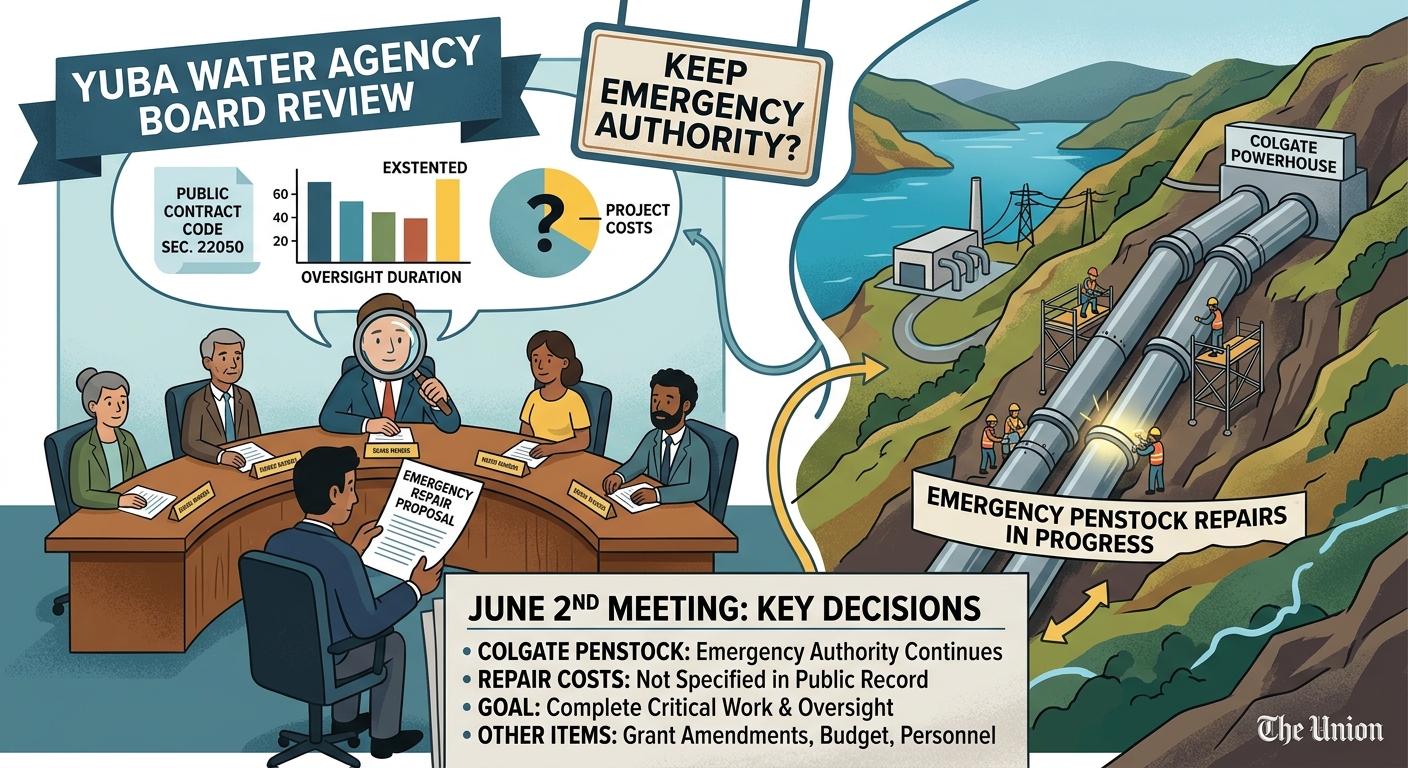
Staff asked the board to continue emergency contracting authority for Colgate Penstock repairs under state law as incident work continues.

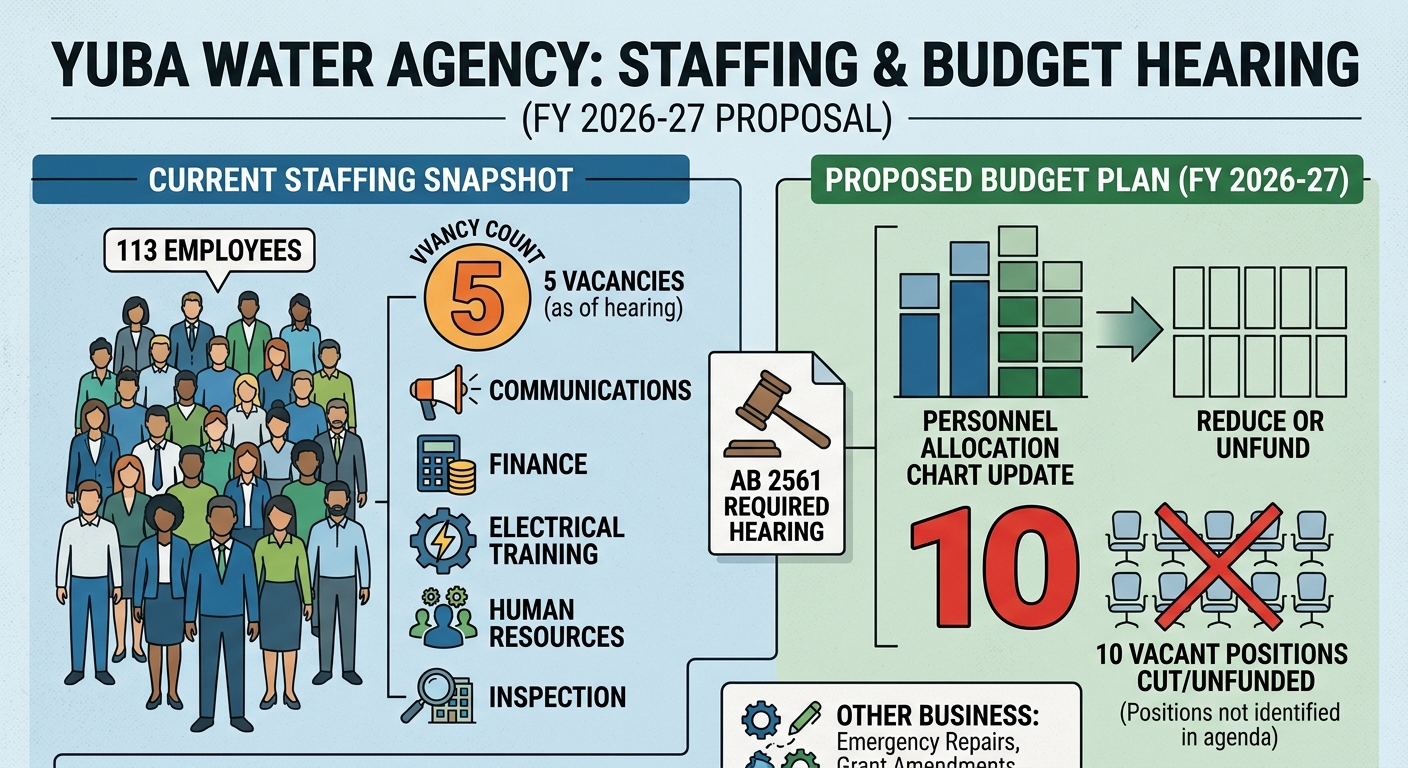
At a June 2 meeting, Yuba Water staff reported five vacancies under state law and proposed unfunding 10 vacant positions in next year’s personnel chart.

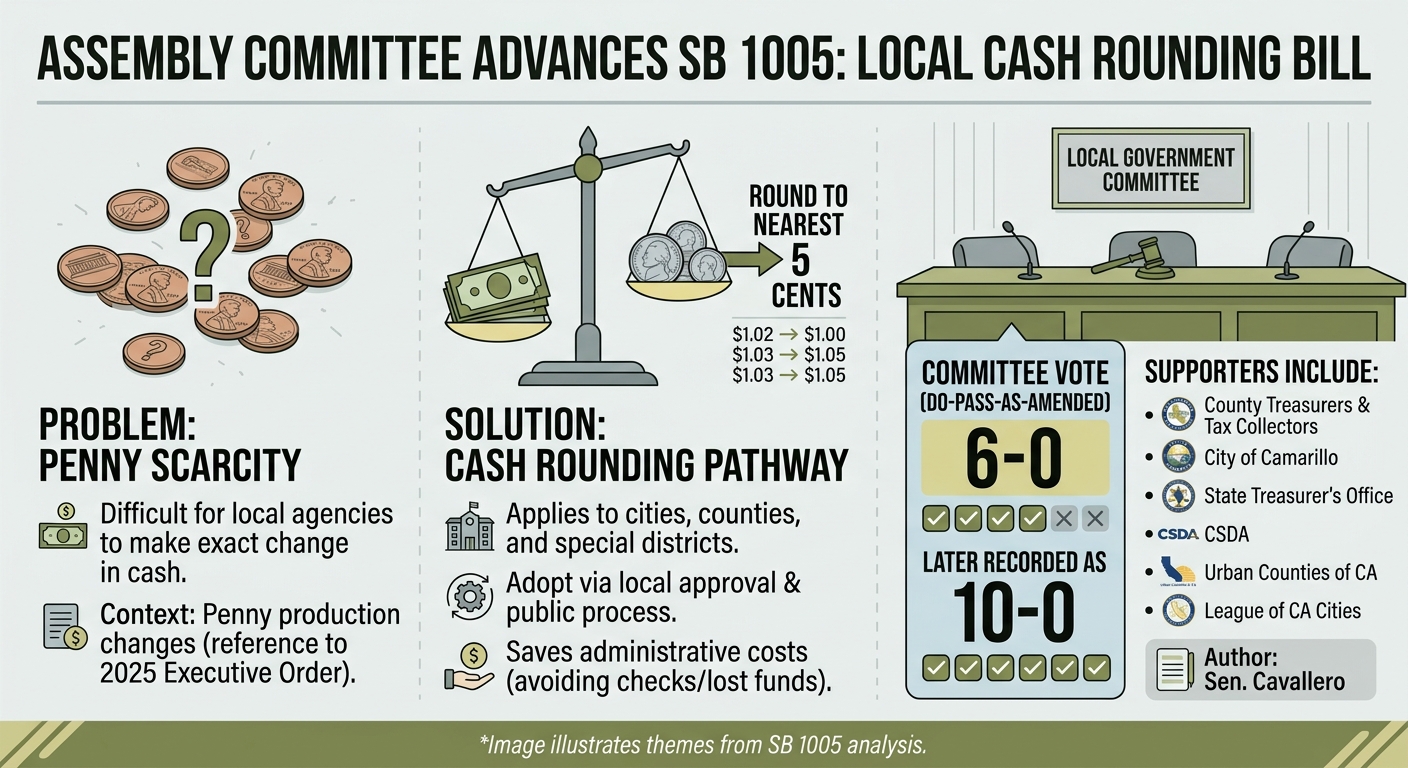
SB 1005 would let cities, counties and special districts adopt five-cent rounding policies for cash payments, and the Assembly Local Government Committee moved it forward on June 3.

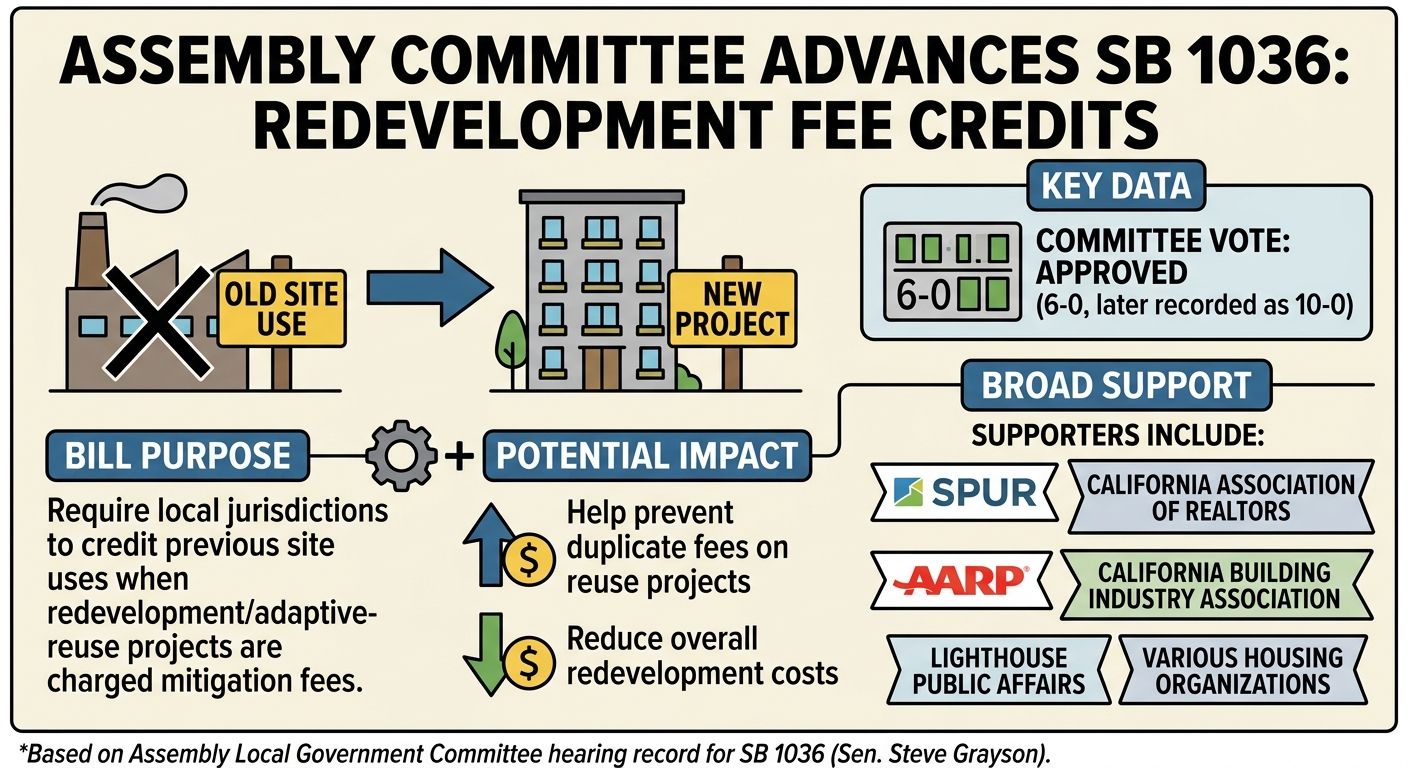
Sen. Grayson’s bill would require local jurisdictions to credit prior site uses when redevelopment or adaptive-reuse projects are charged mitigation fees.

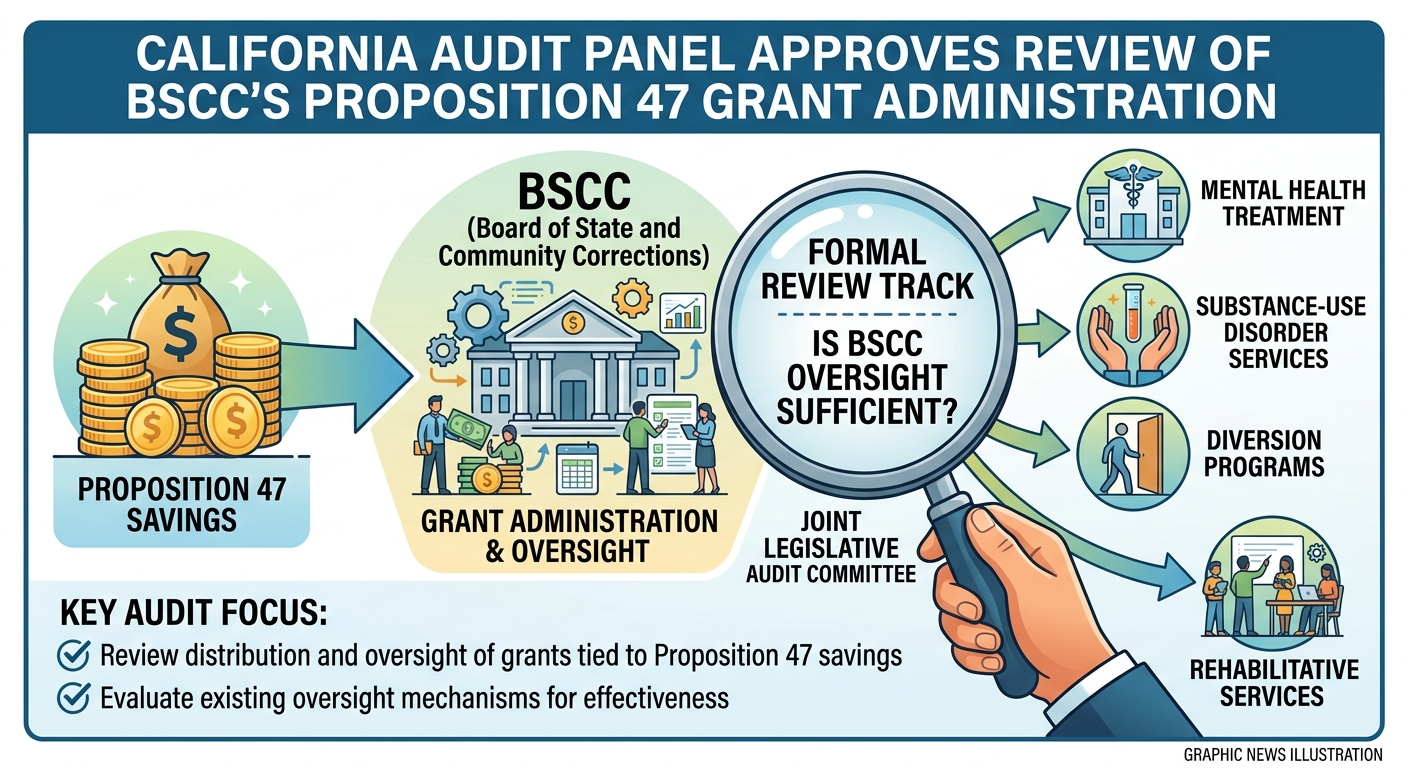
The Joint Legislative Audit Committee signed off on an audit request examining how the Board of State and Community Corrections manages Proposition 47 grant money.

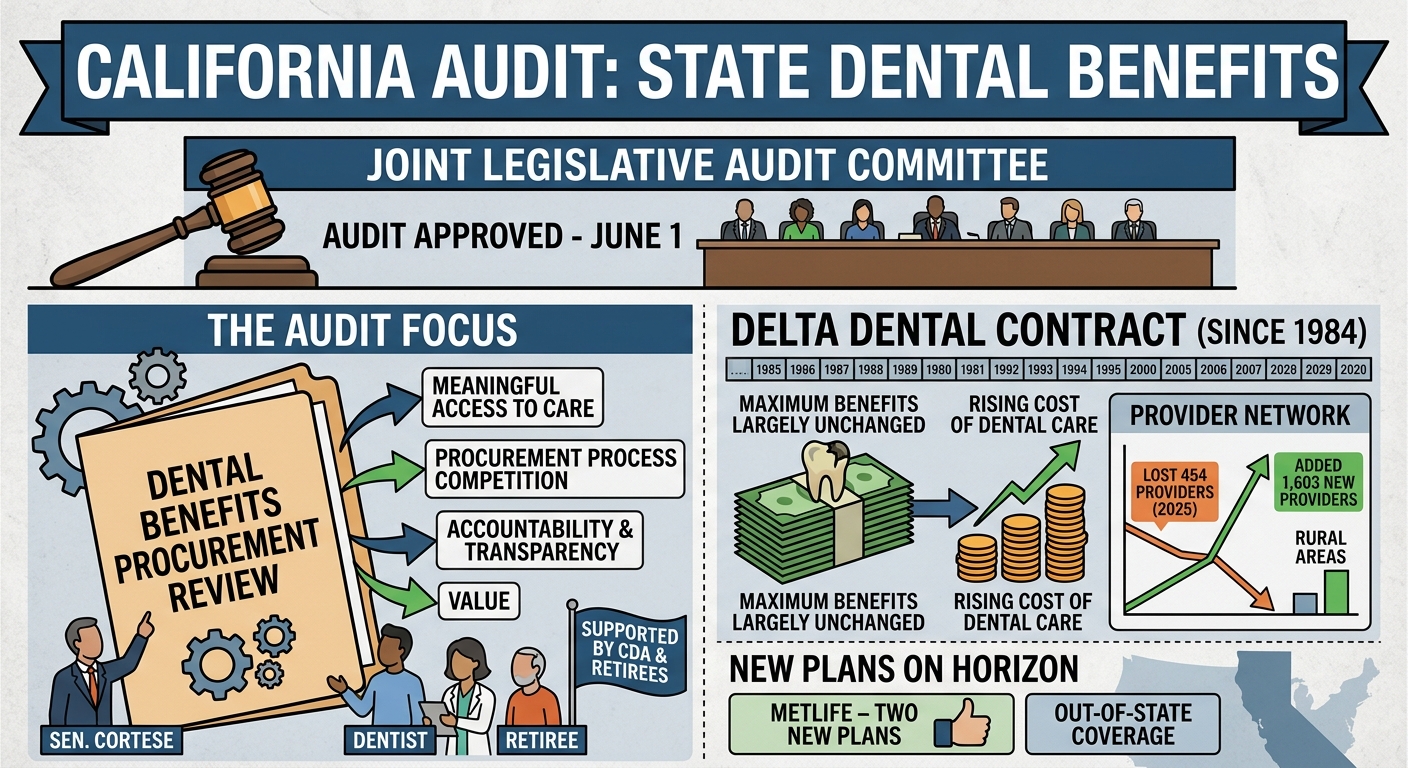
The Joint Legislative Audit Committee approved a review of CalHR’s dental benefits procurement after hearing competing claims about Delta Dental’s long contract, provider turnover and the level of competition in the state plan.

Council’s June 3 agenda puts the 2021-2029 Housing Element back before members after the Planning Commission’s unanimous recommendation and a state review cycle that produced a conditional compliance letter.

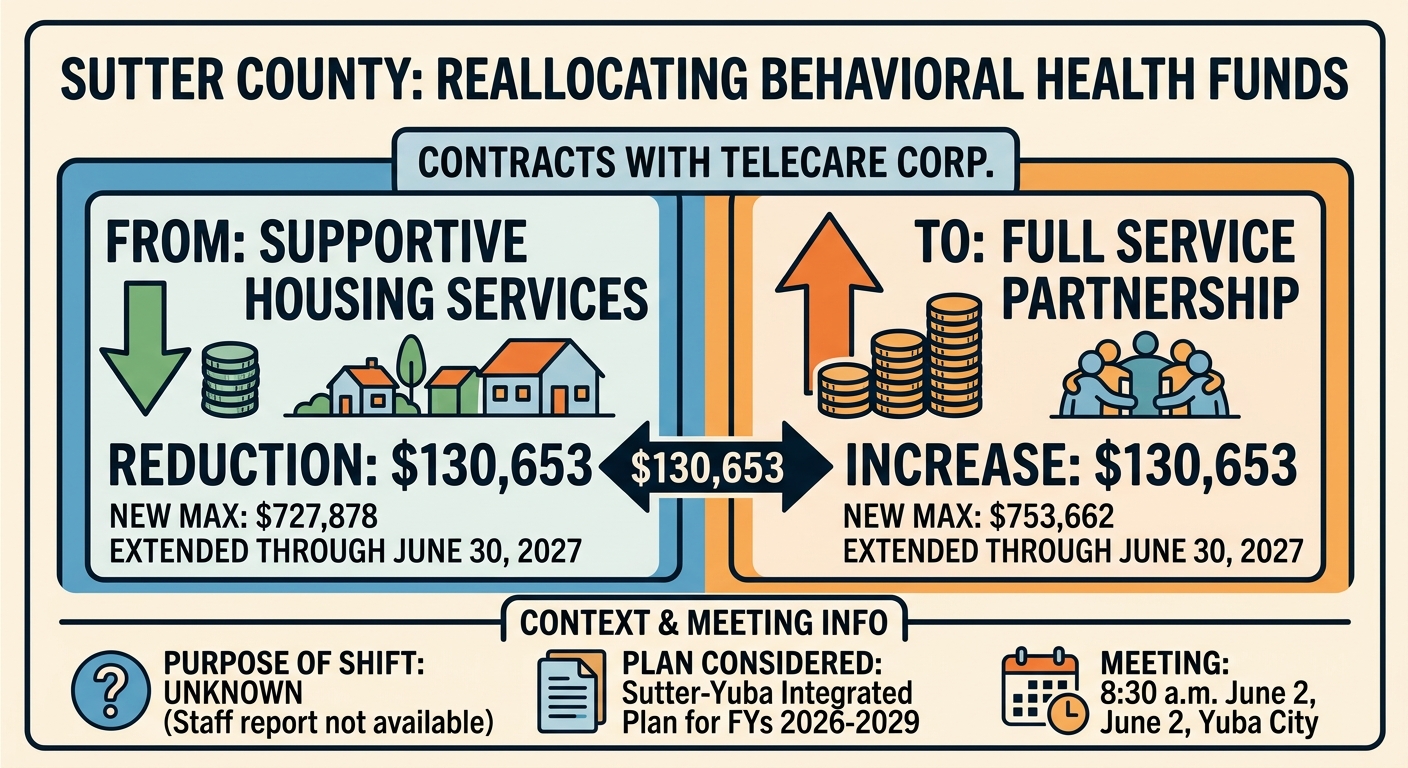
The June 2 Health and Welfare Committee agenda also includes a three-year Behavioral Health Services Act Integrated Plan for consideration.

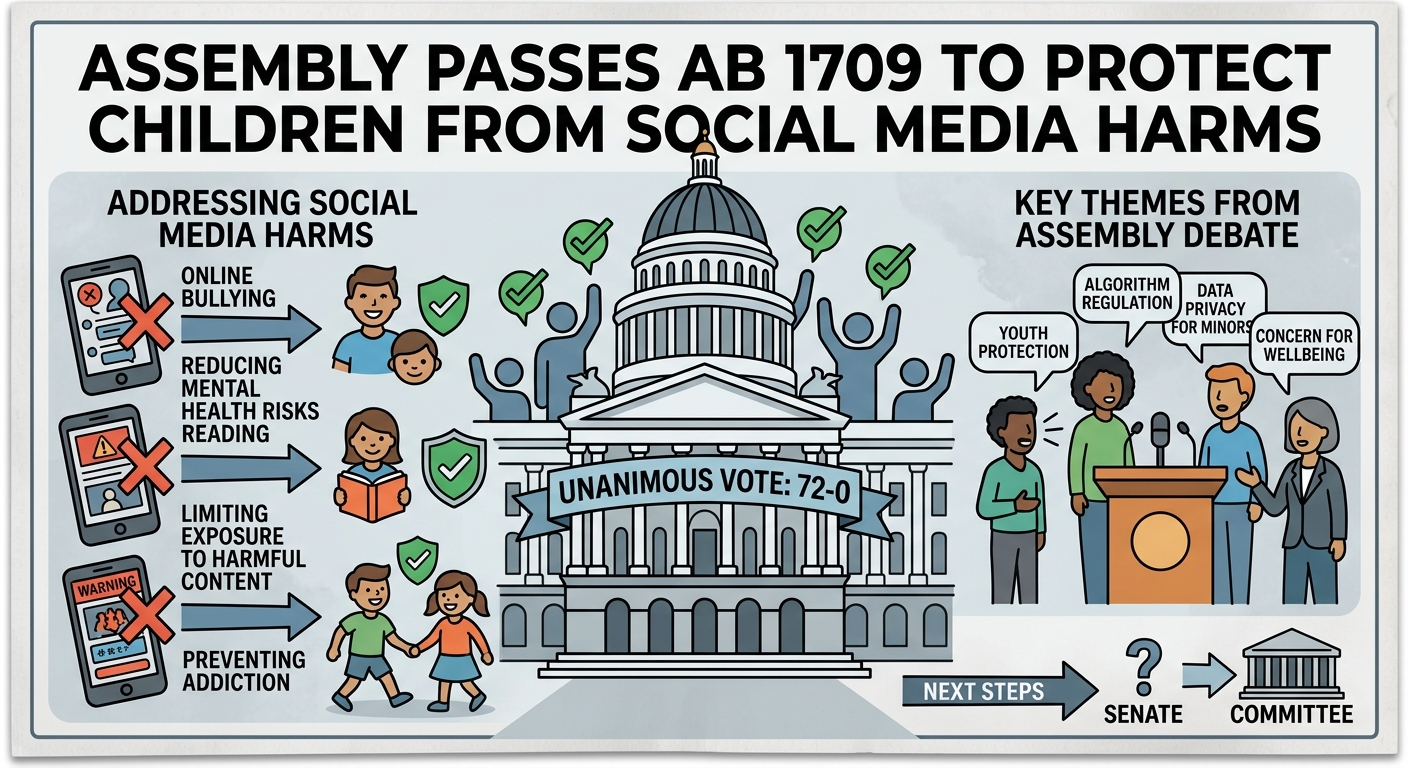
After extended floor debate, the Assembly approved the social-media and children’s safety bill 72-0, sending it to the next step in the legislative process.

The commission approved Potentia Viridi under its opt-in program after concluding the project’s reliability and clean-energy benefits outweighed one significant and unavoidable visual impact.

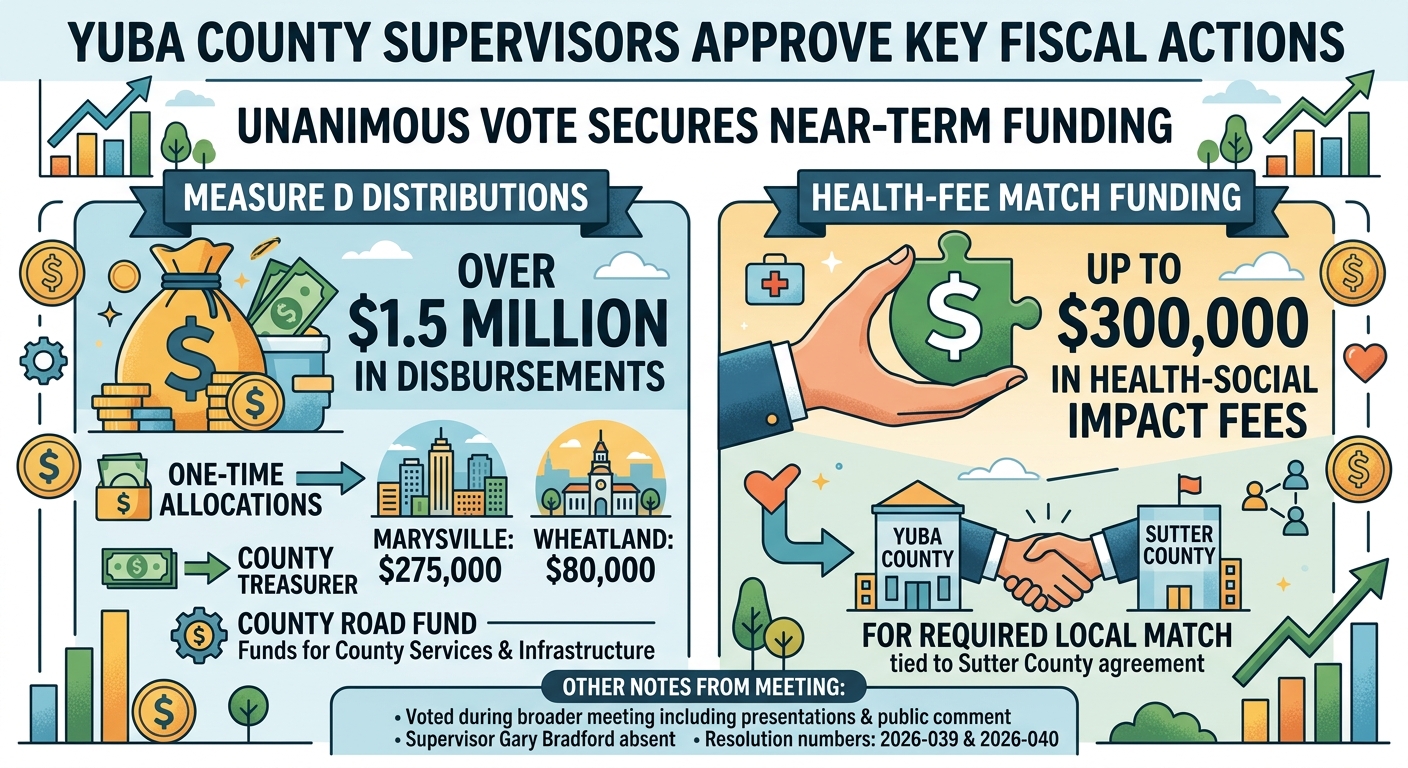
The board unanimously backed two fiscal actions that will send Measure D money to the county, Marysville and Wheatland, while authorizing up to $300,000 in Health-Social Impact Fees for a Sutter County-related match.

The California Fans First Act would limit resale prices to 10% above the original ticket price, with the measure also narrowed in committee to smaller or independent venues.

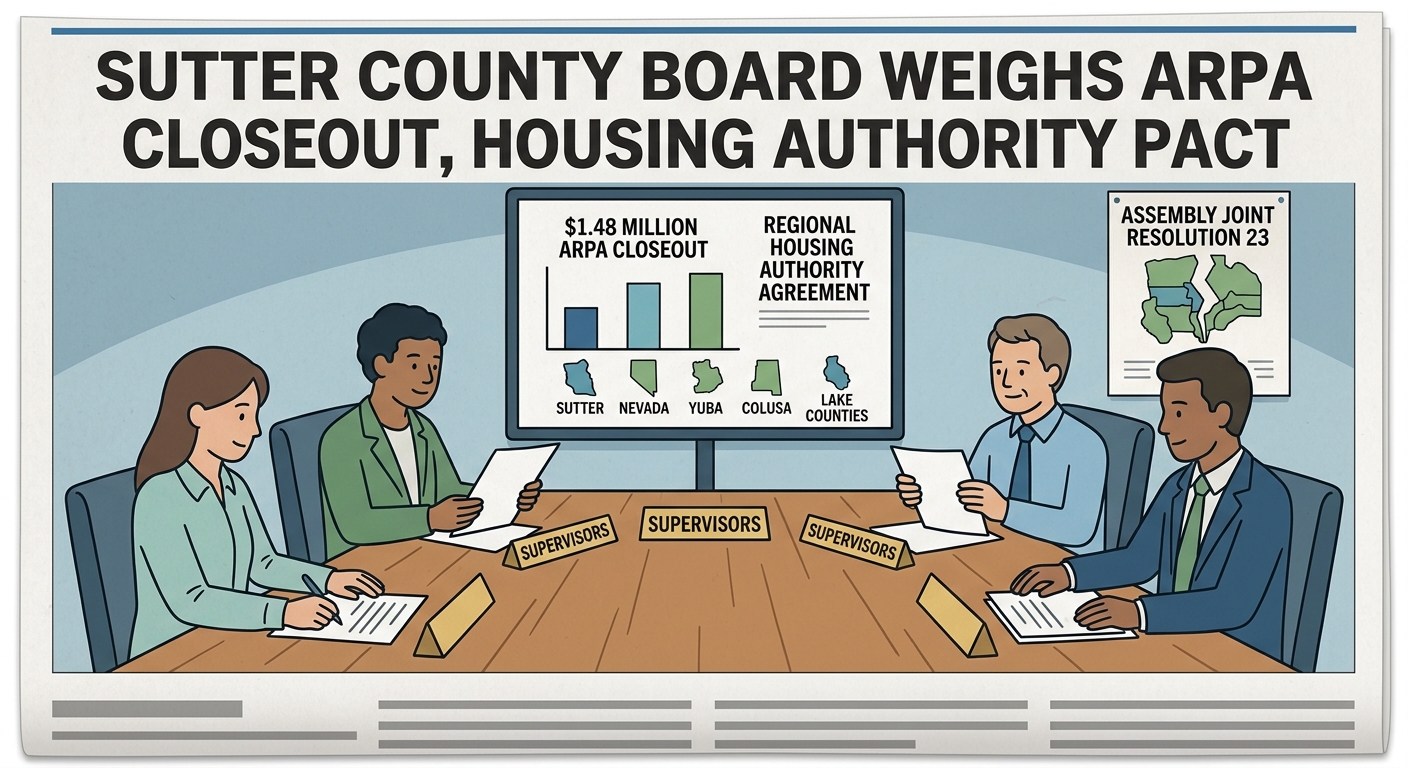
The May 26 agenda also includes support for a statehood resolution and an amended agreement to create a regional housing authority.

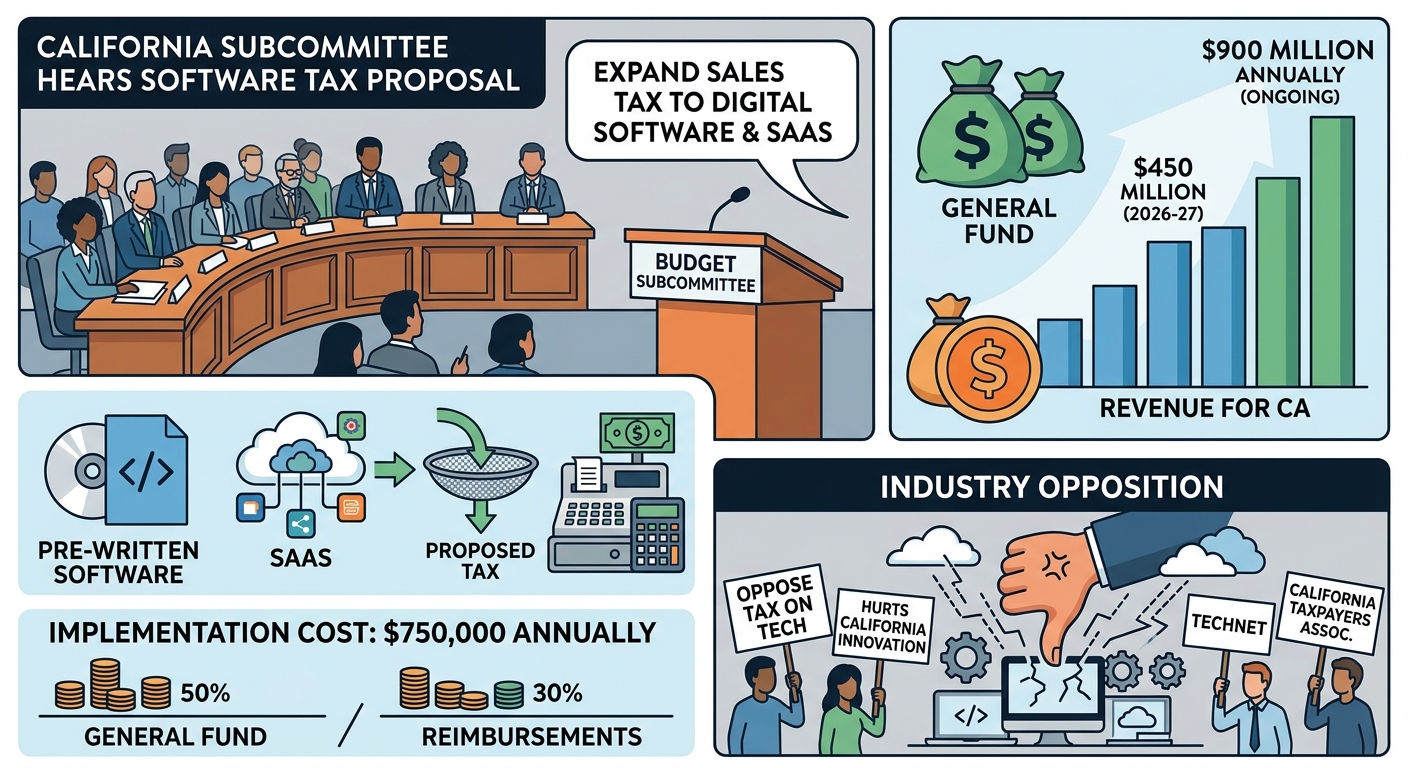
CDTFA’s May Revision plan would tax electronically delivered pre-written software and software-as-a-service starting Jan. 1, 2027, but industry groups urged lawmakers to reject the change.

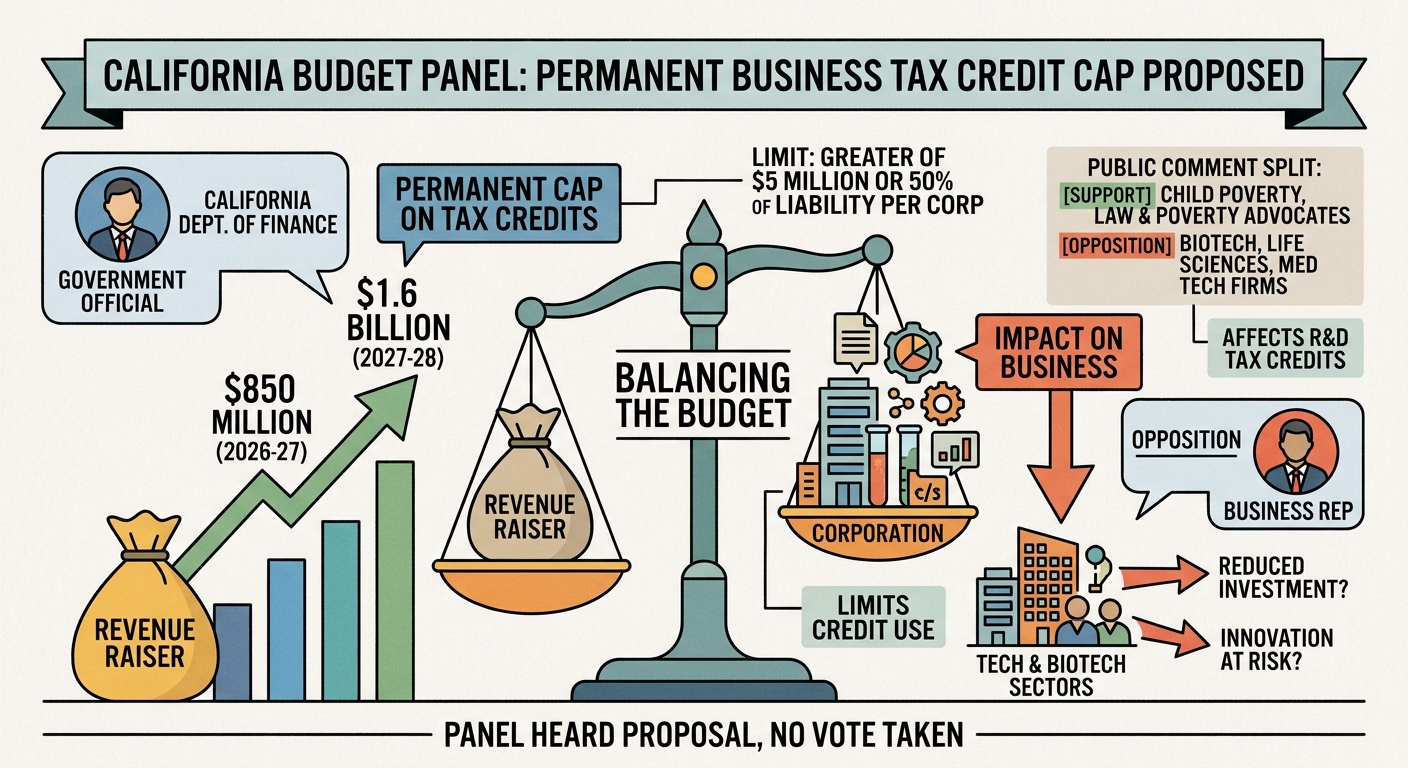
The Assembly budget subcommittee heard a proposal to make a temporary cap on business tax credits permanent, with the administration projecting hundreds of millions in new revenue and industry groups warning it could hurt innovation.

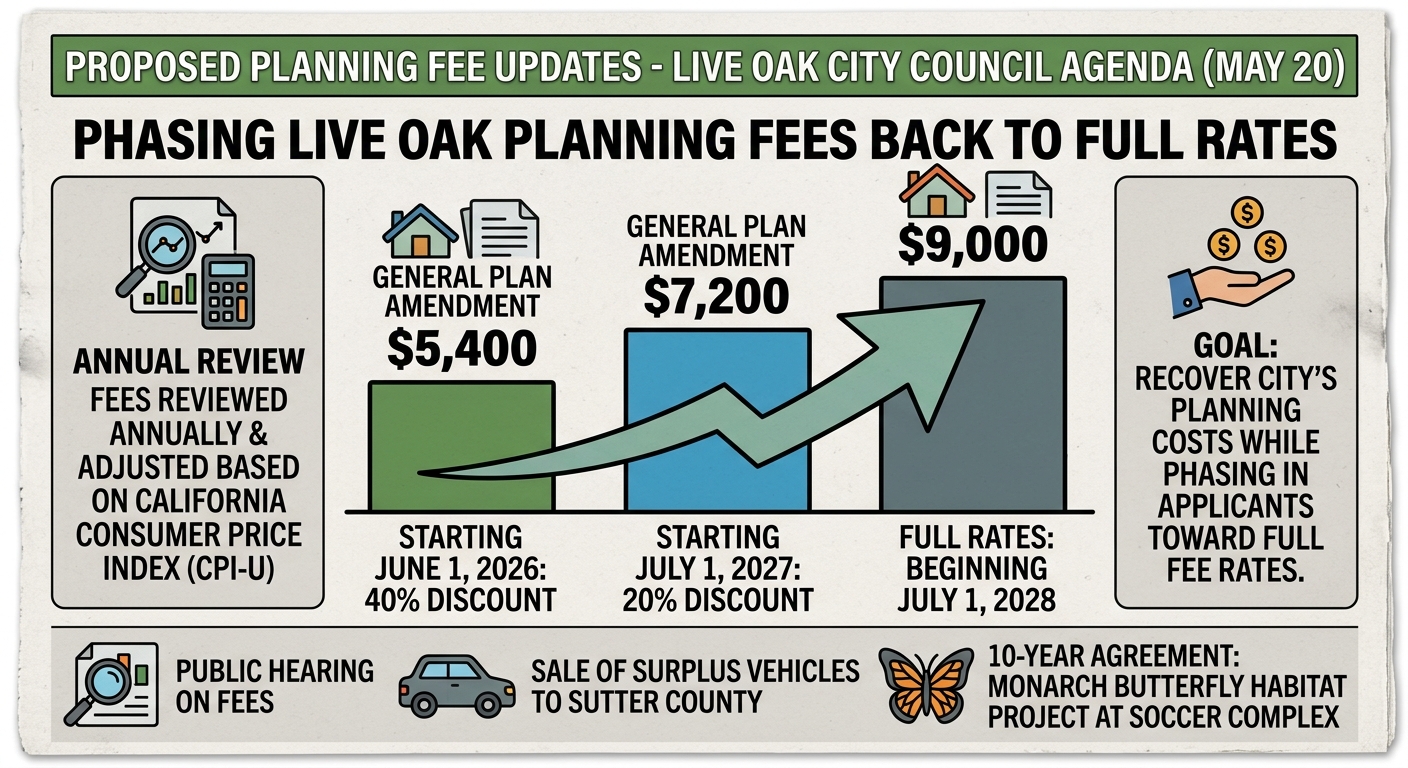
The May 20 agenda includes a public hearing on planning fees that would restore the schedule in stages, with annual CPI adjustments.

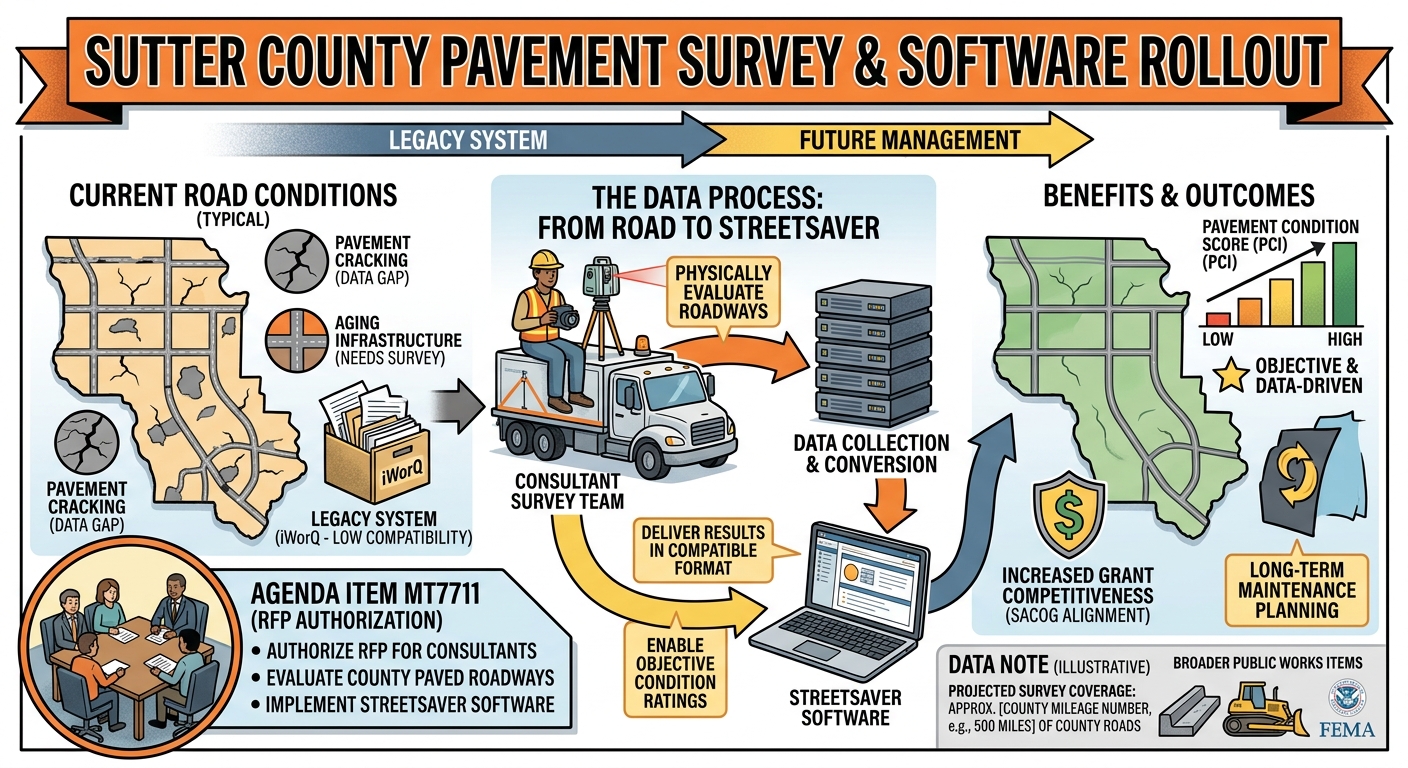
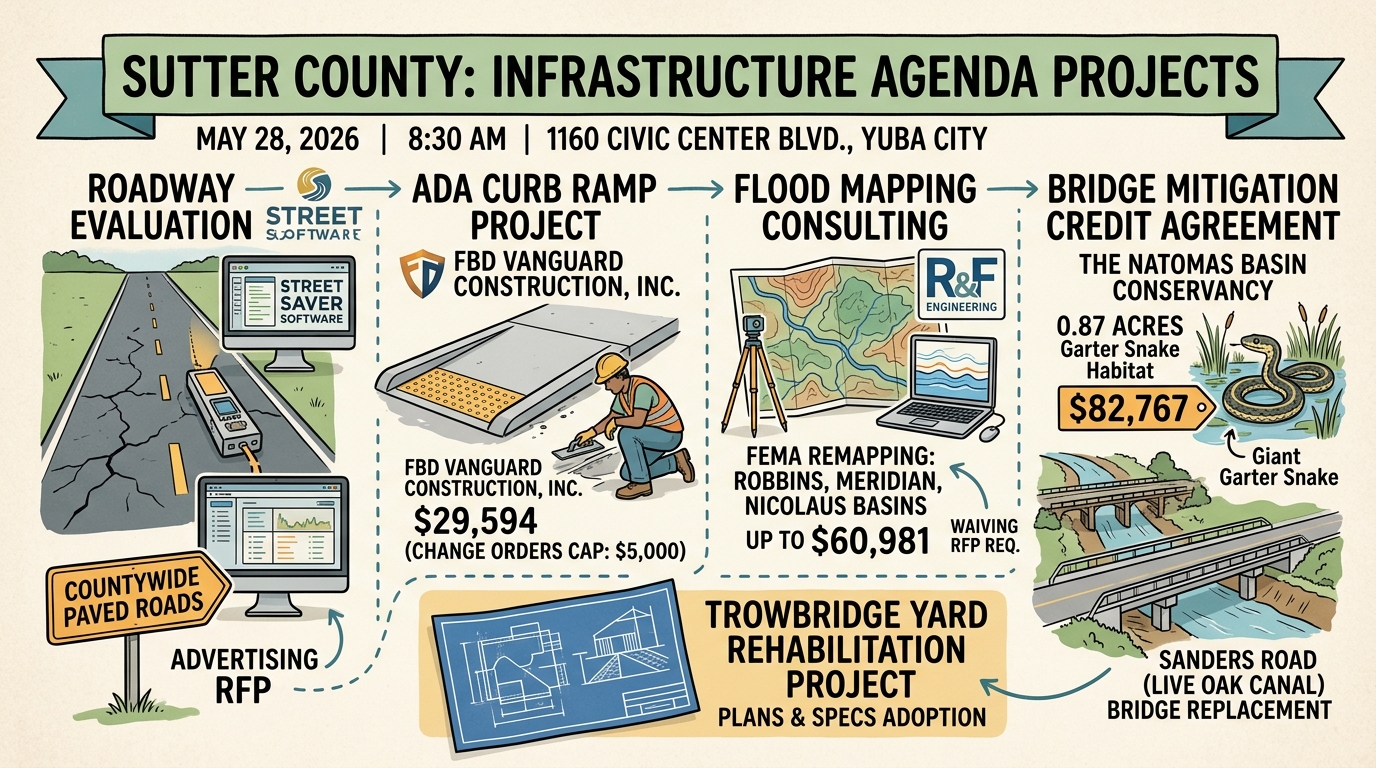
County staff is asking supervisors to authorize a consultant RFP for a countywide pavement-condition inventory, with results delivered in Street Saver format and tied to grant competitiveness.

The May 28 Public Works/Support Services Committee agenda lists a paving study, curb-ramp award, FEMA remapping consulting and bridge mitigation spending.

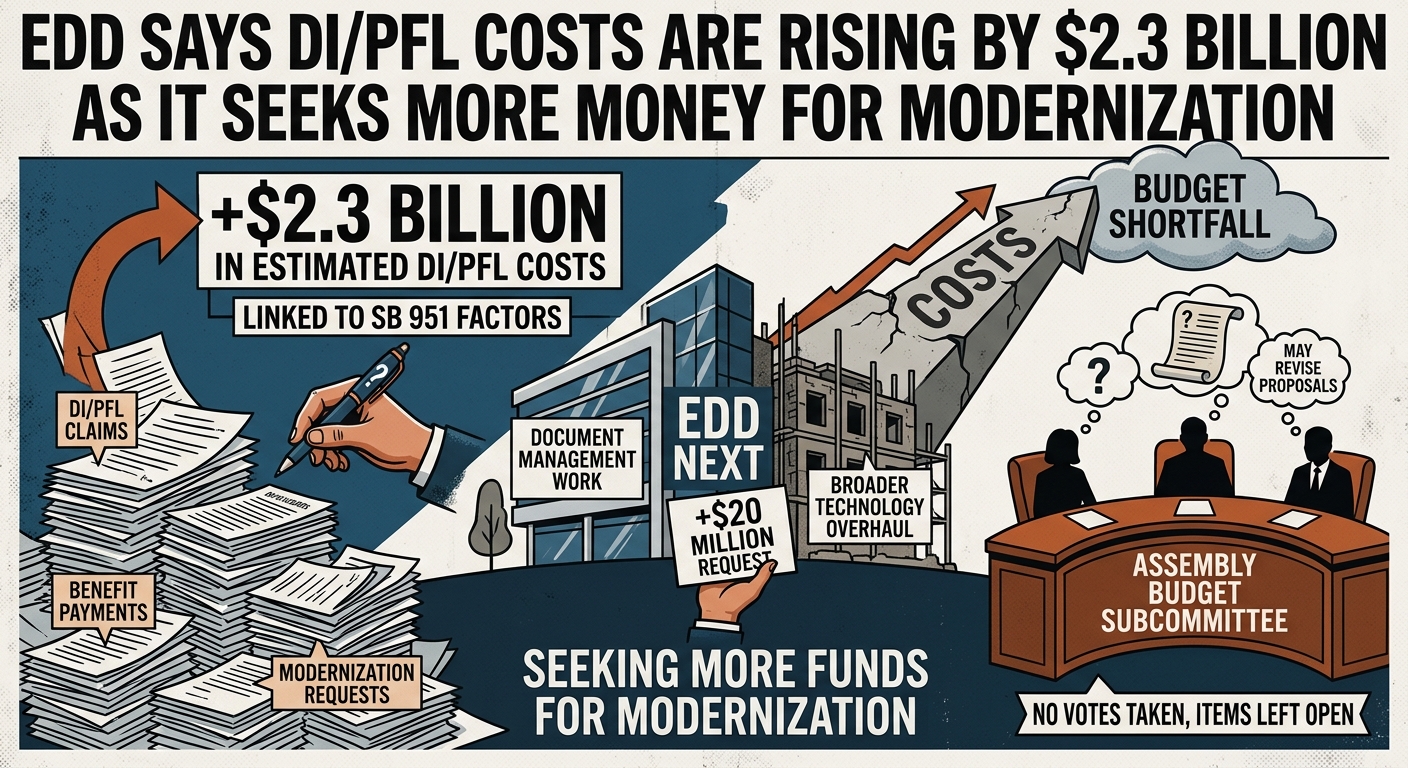
At an Assembly budget hearing, the Employment Development Department also asked for $20 million more for EDD Next document management work.

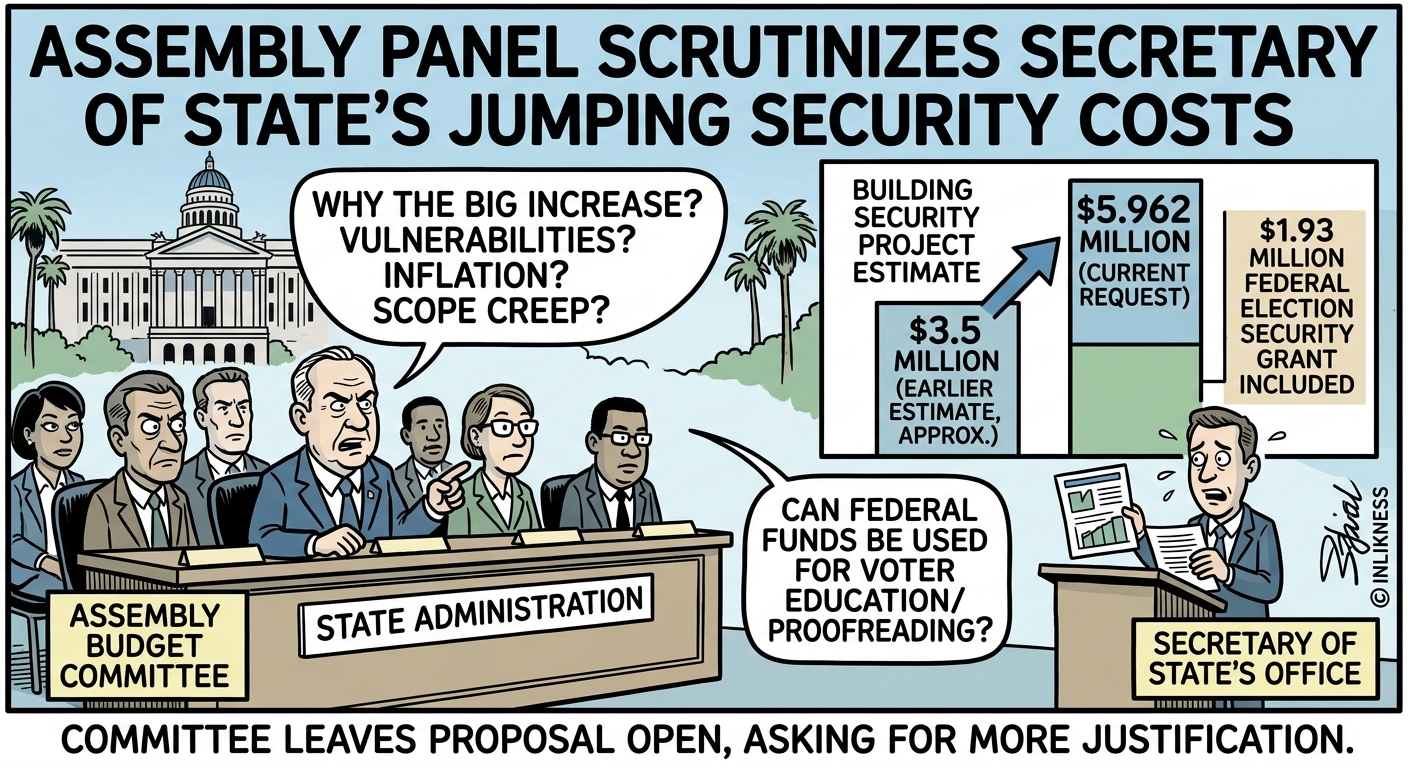
Lawmakers pressed the Secretary of State’s office on rising security costs and whether federal election-security money could cover voter-facing work, but the budget subcommittee took no action.

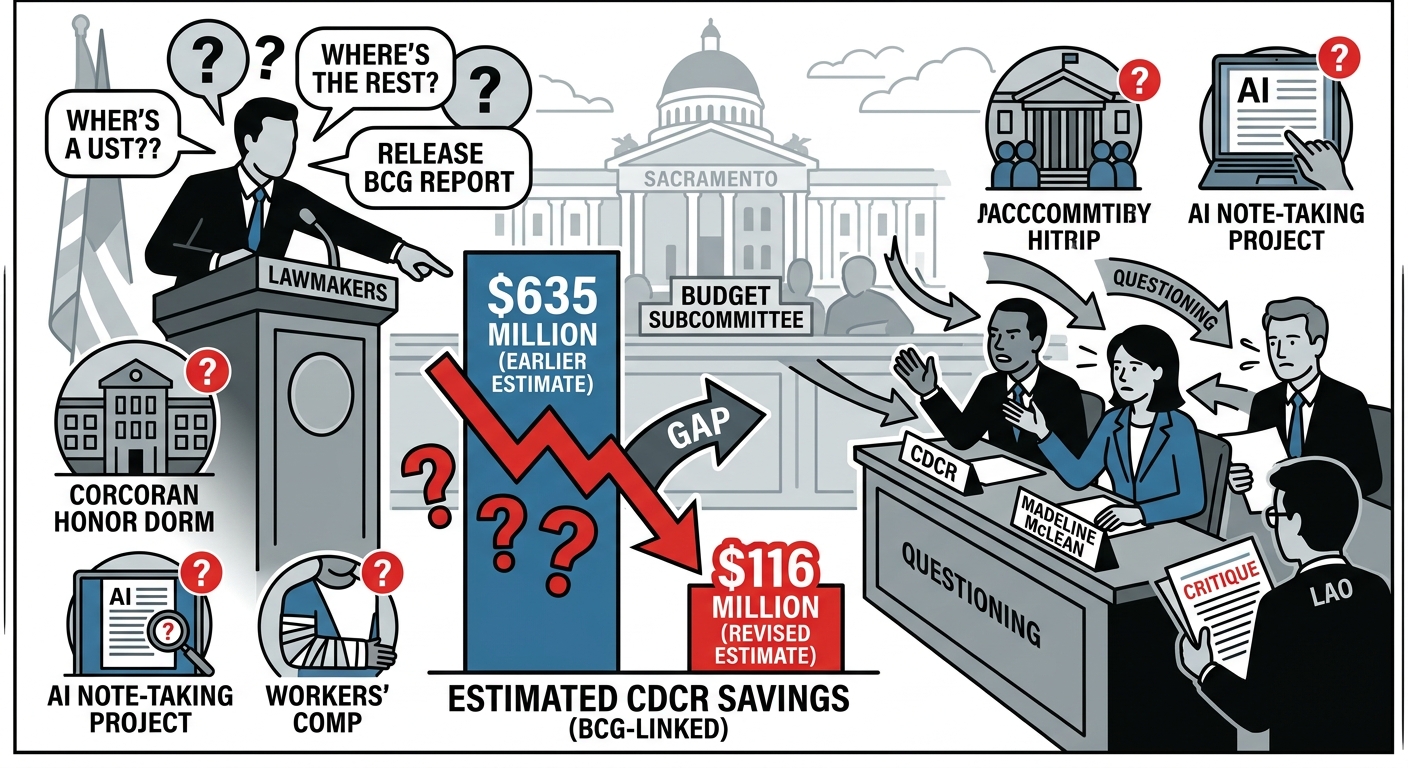
At a May 18 budget hearing, Assembly members questioned why CDCR’s Boston Consulting Group-linked savings fell from $635 million ongoing to $116 million ongoing and asked for the underlying recommendations.

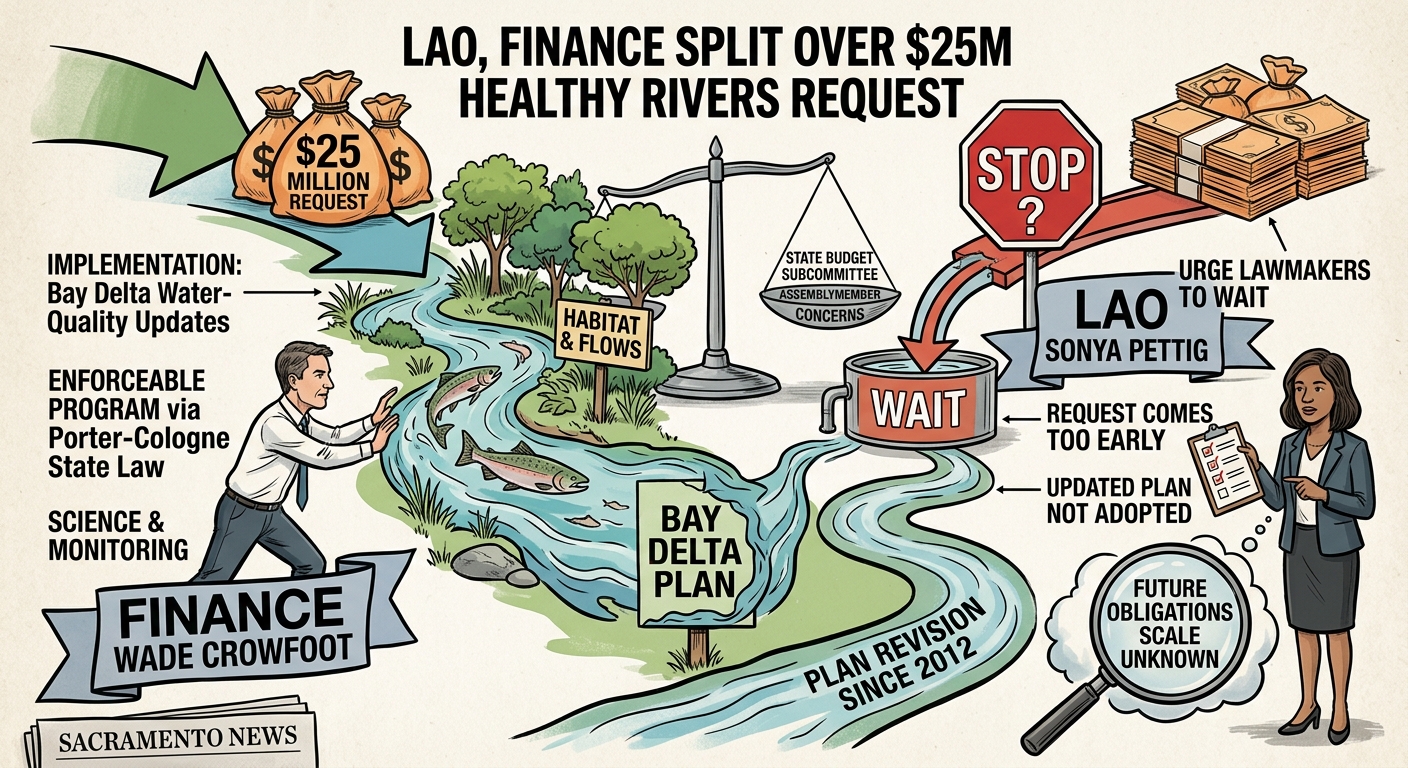
A budget subcommittee hearing exposed a policy dispute over whether to fund the Bay Delta program now or wait until the updated water-quality plan is formally adopted.